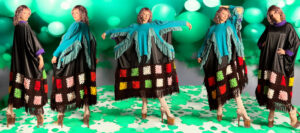
Clémence Veilhan and Tata Christiane in Francisca
A photo story between Minorca, memory and slow fashion
In Francisca, French artist and photographer Clémence Veilhan opens a door between island, ancestry, image and garment. Known for a practice rooted in photography, video, feminine narratives and intimate transformation, Veilhan builds a visual world where the body becomes an archive and the landscape becomes a witness.
Her project Francisca, published on her website, begins with a mysterious encounter in Mallorca and unfolds into a journey toward Minorca, memory and maternal lineage. It is a story of recognition, exile, fragmented origins and the emotional power of clothing.
Discover Clémence Veilhan’s project Francisca on her website


The island that remembered first
The story starts in the Balearic Islands. Veilhan describes herself as a stranger on the island, yet strangely recognized. At a village market, women dressed in black, their hair covered with mantillas, call her la morena. They see in her face something of the island, something she has not yet understood.
This moment becomes a crack in time. Later, she discovers that one of her ancestors, Francisca Garnès, was originally from Minorca. The recognition she received was not only physical. It was ancestral. It was as if the island had remembered her before she remembered herself.


Following the trace of Francisca Garnès
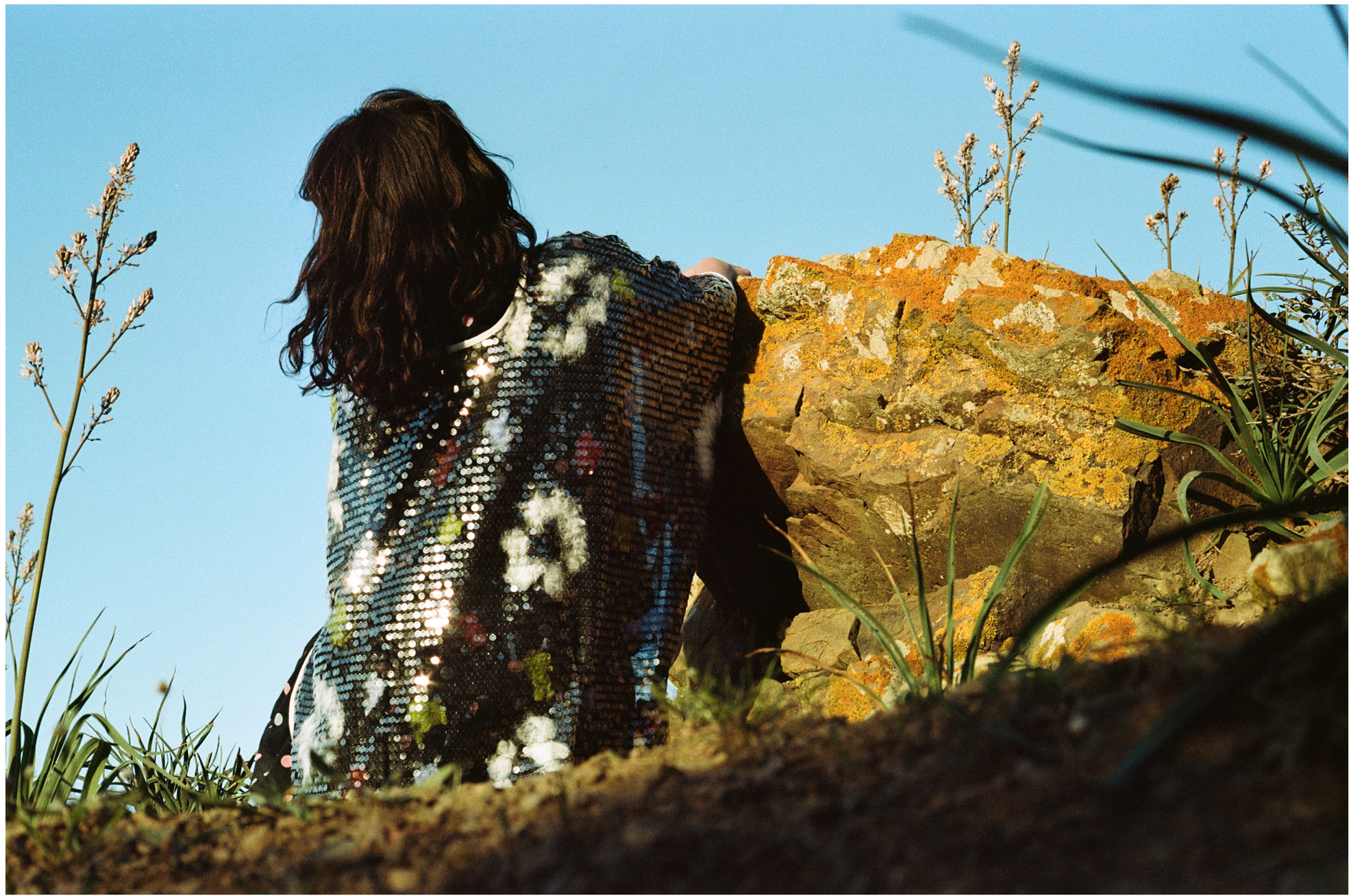
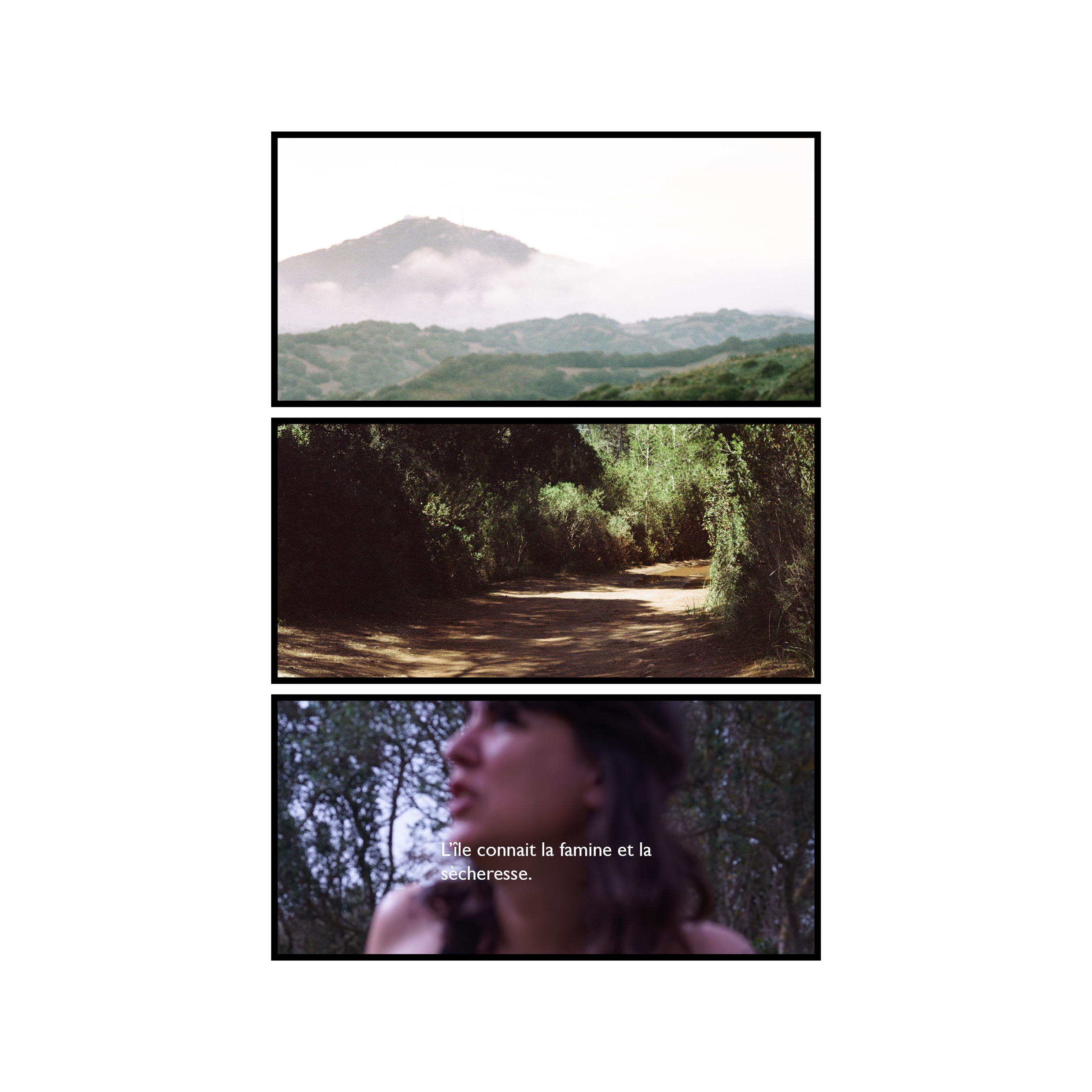
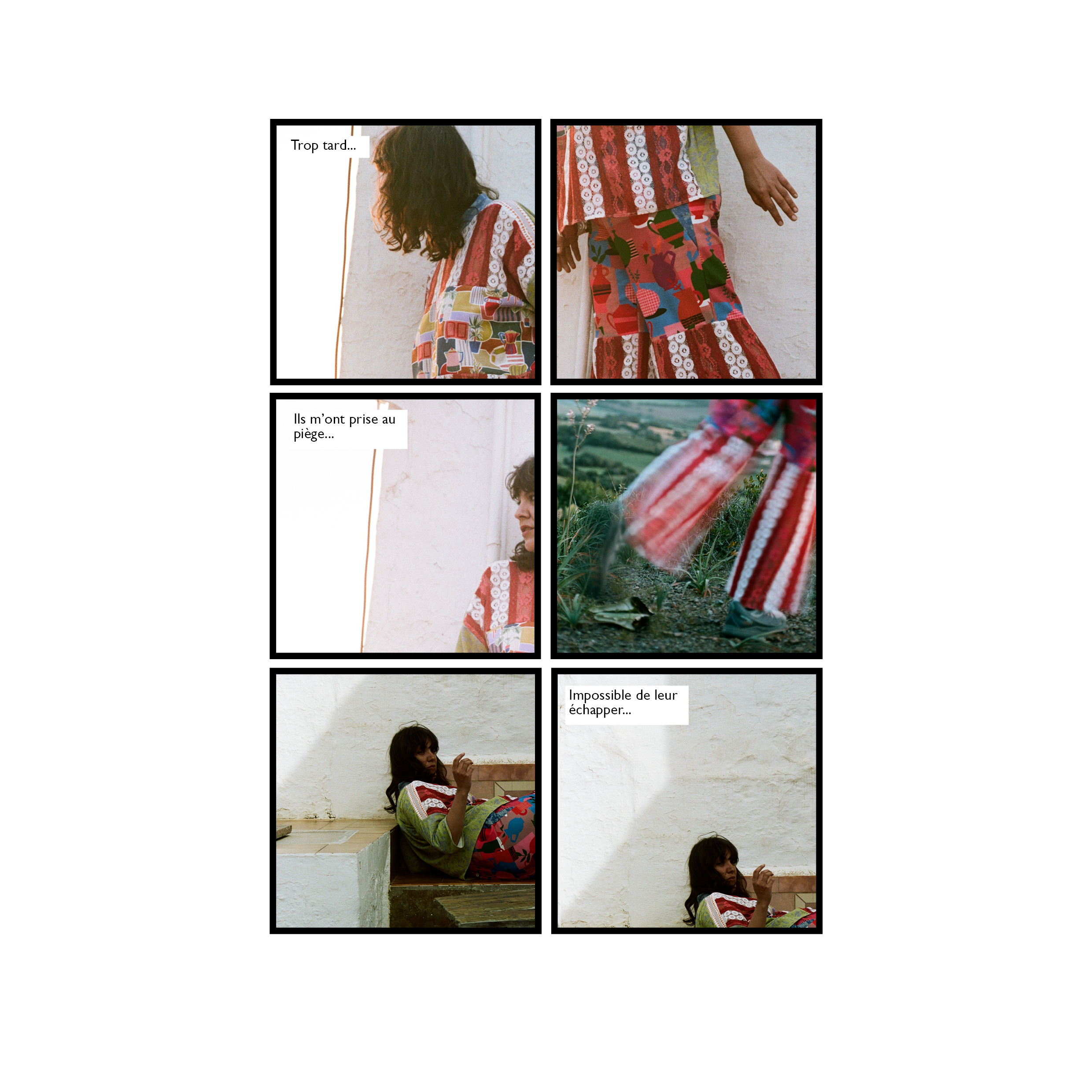
With the clothes of Tata Christiane, Clémence Veilhan travels to Es Mercadal, an agricultural region in the centre of Minorca. There, she follows the almost invisible trace of Francisca, a woman from the 1800s whose life was marked by famine, drought, exile and migration toward Algeria.
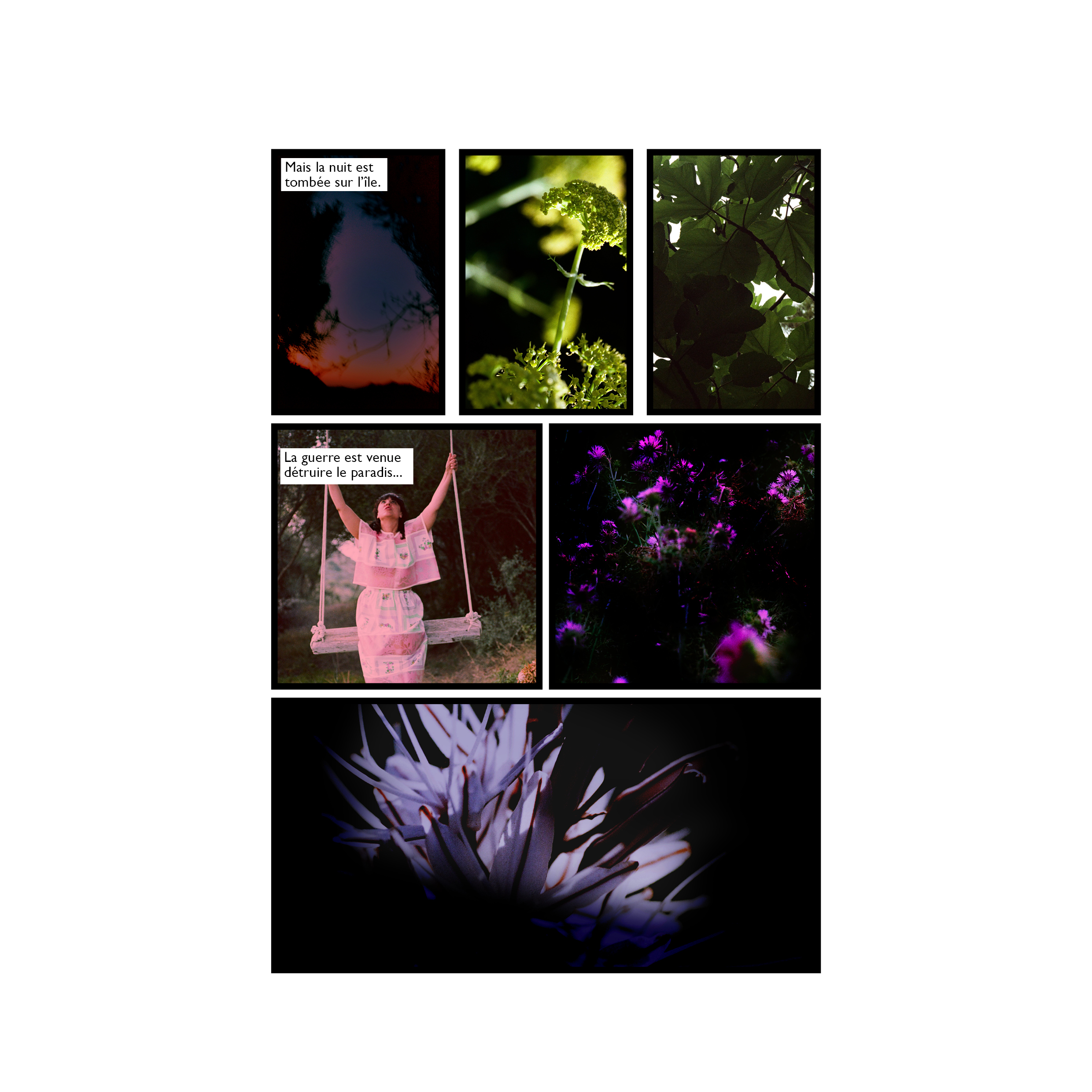
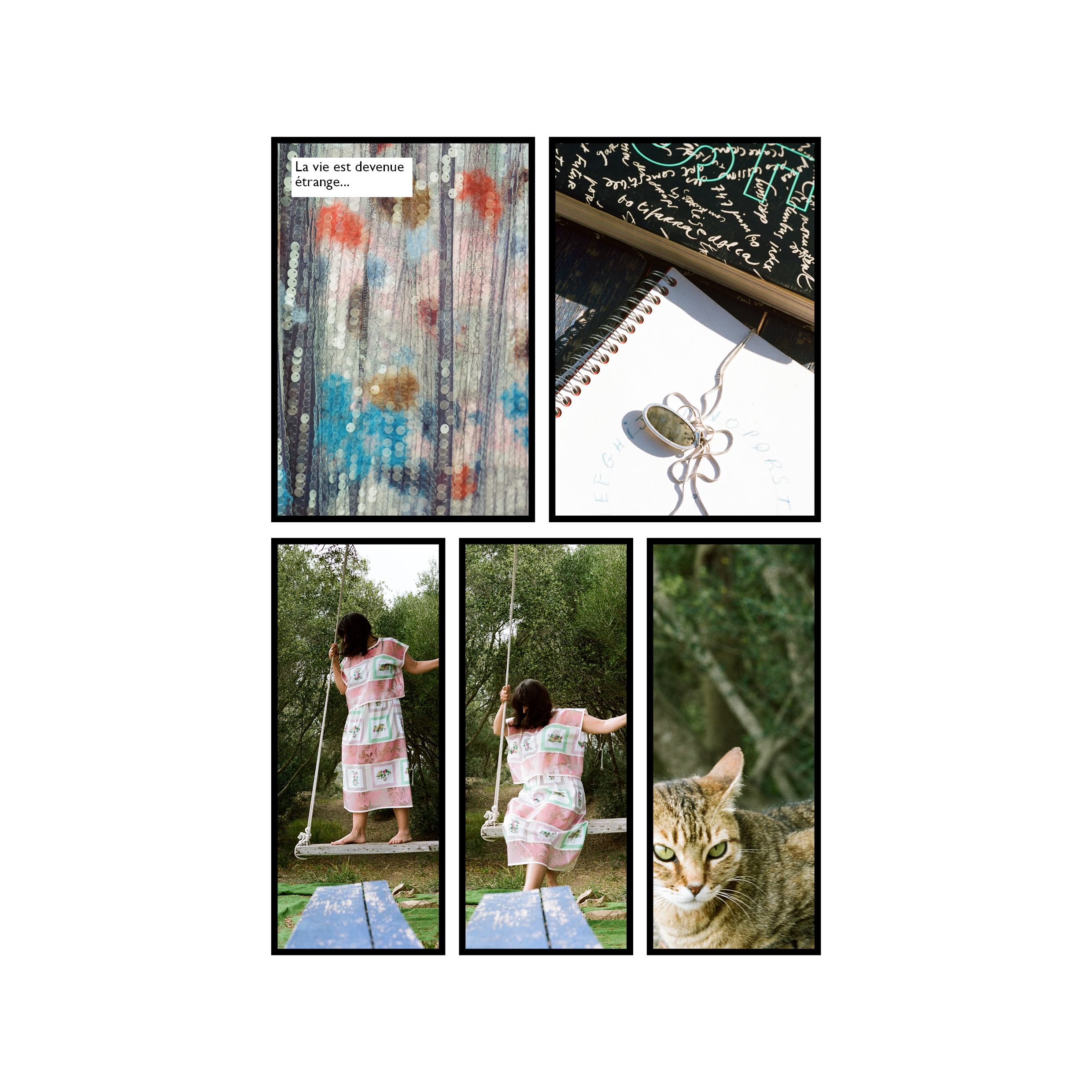
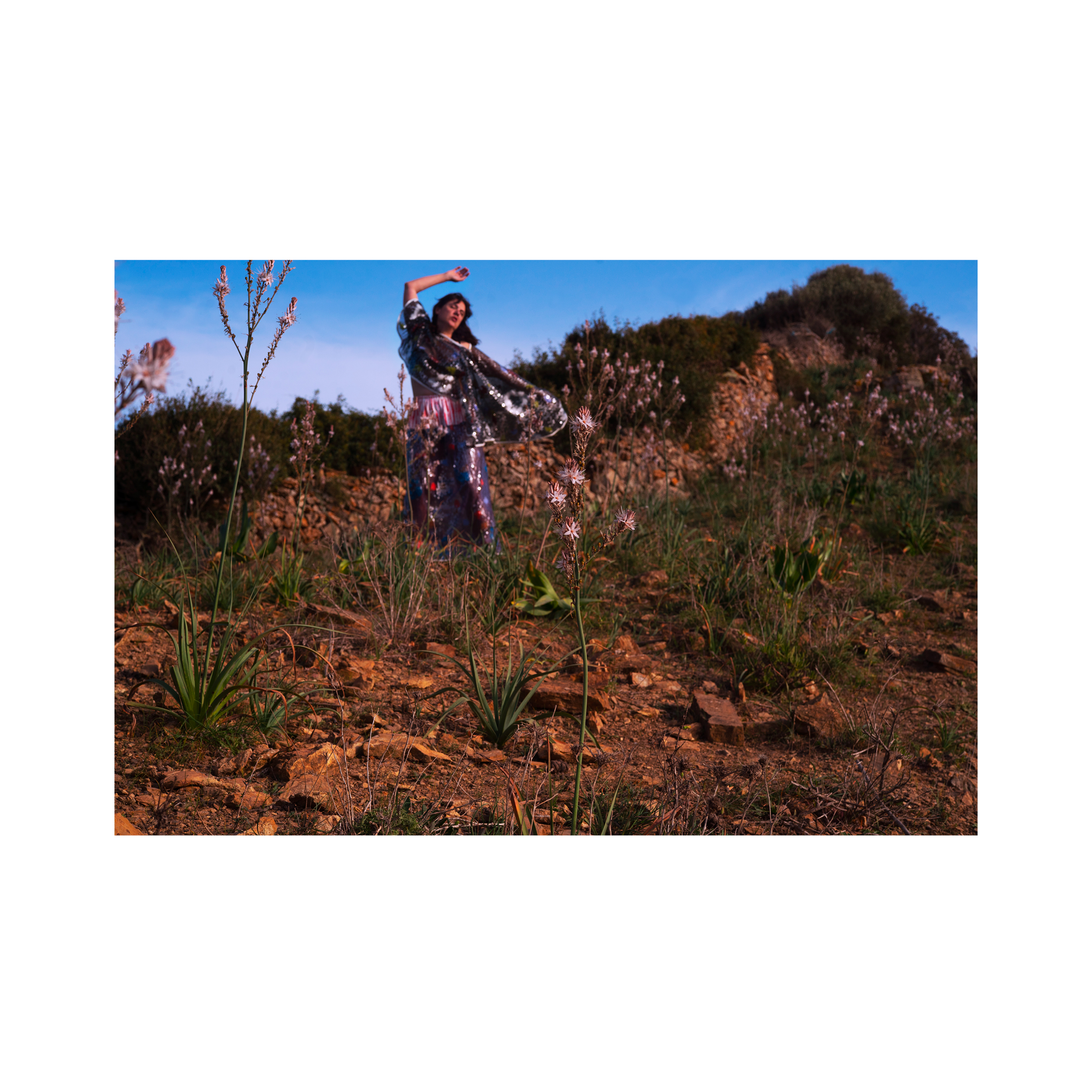
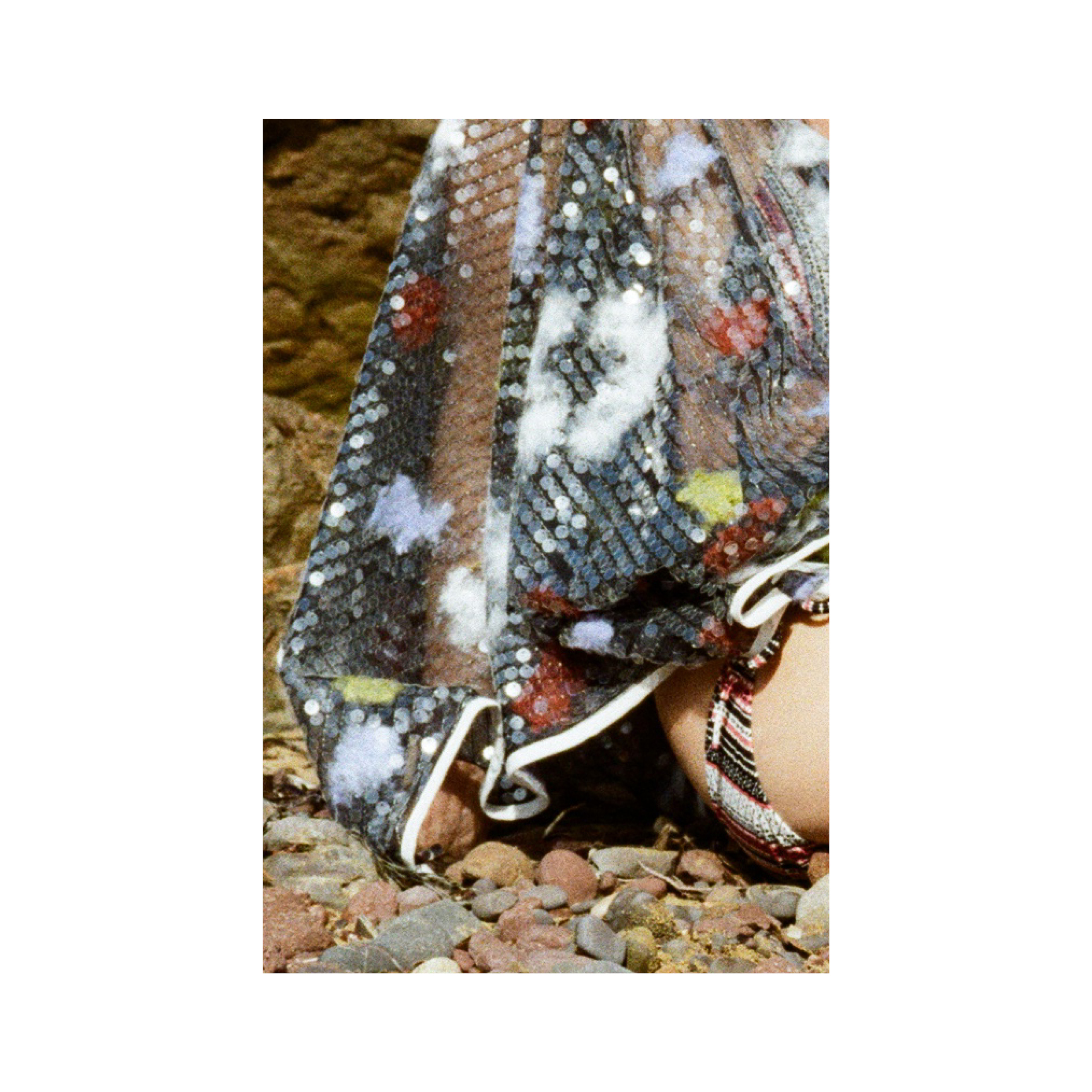
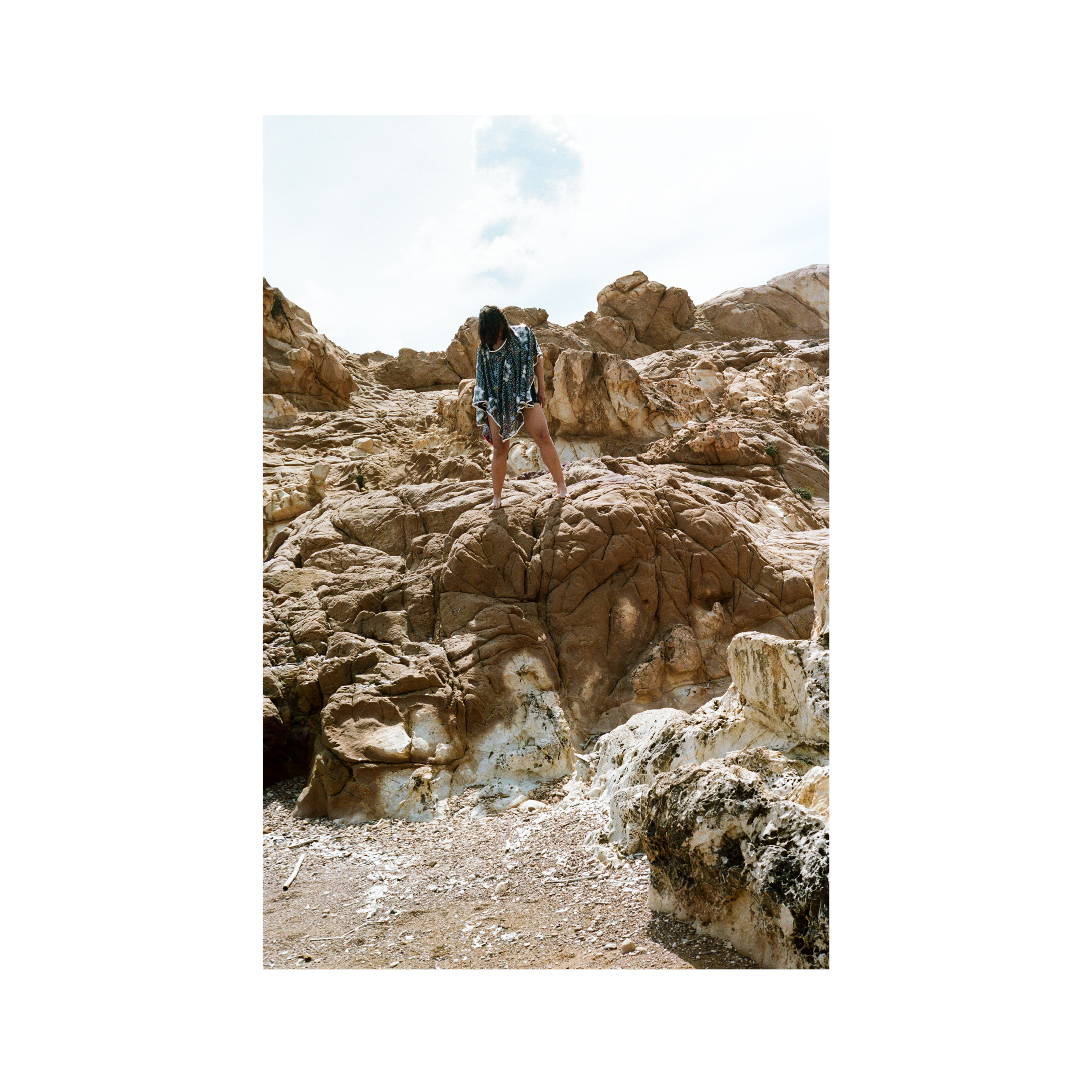
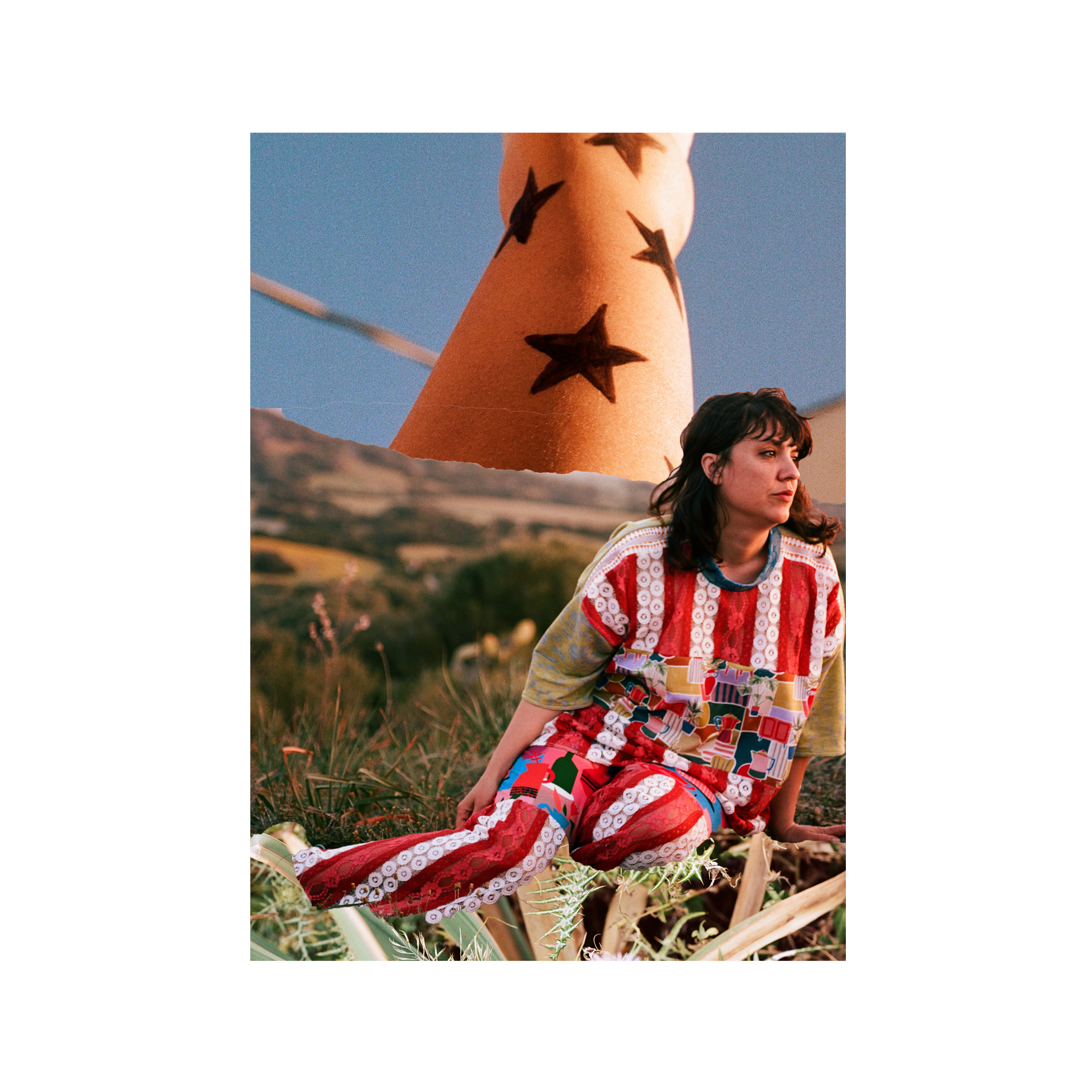
The story is not complete. It is fragmented, partial, wounded by history. And this is precisely where the garments enter with such force. Tata Christiane’s clothing, made through collage, upcycling, layering and textile reconstruction, becomes more than costume. It becomes a language for broken origins. It becomes a surface where memory can be touched.
Tata Christiane garments as ceremonial objects
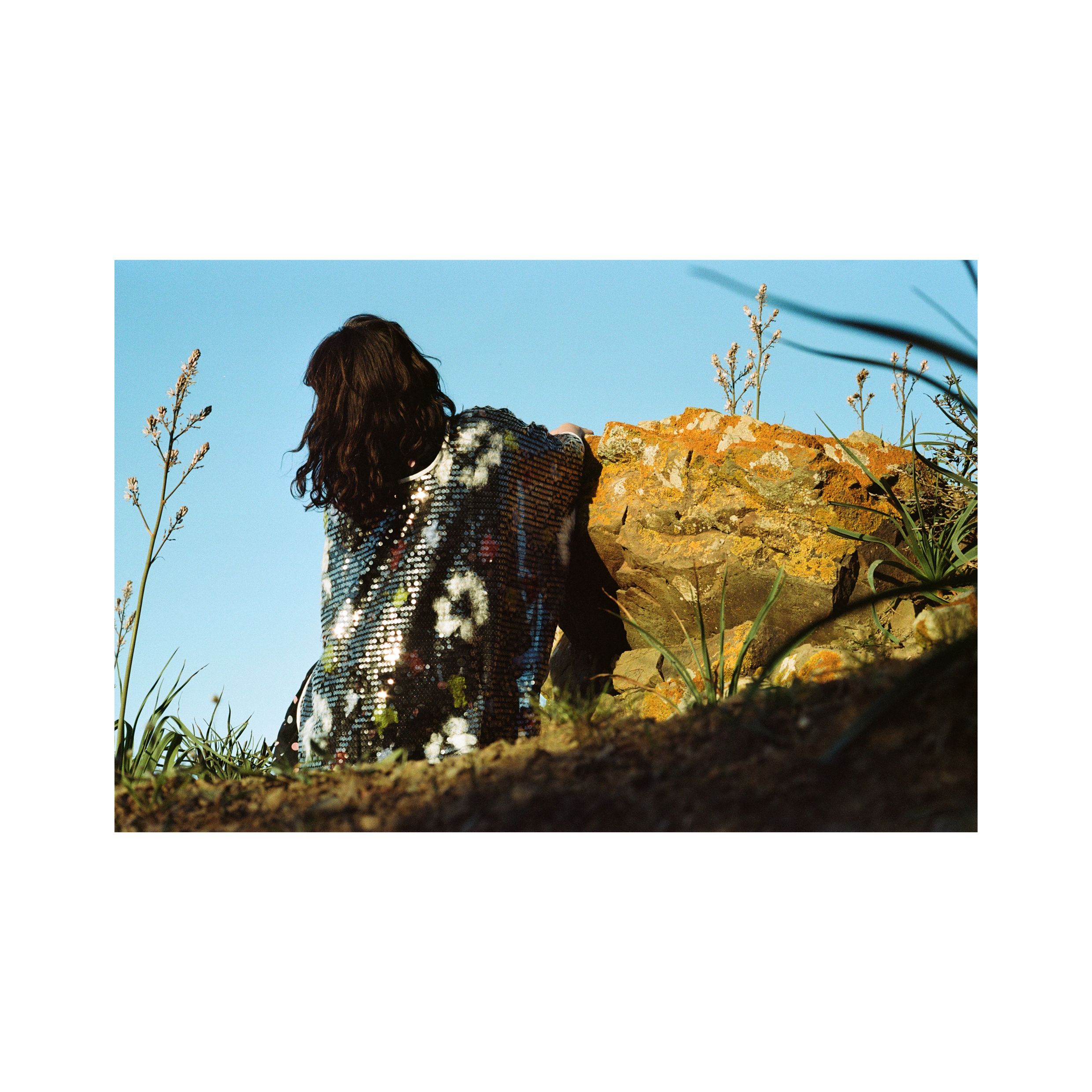
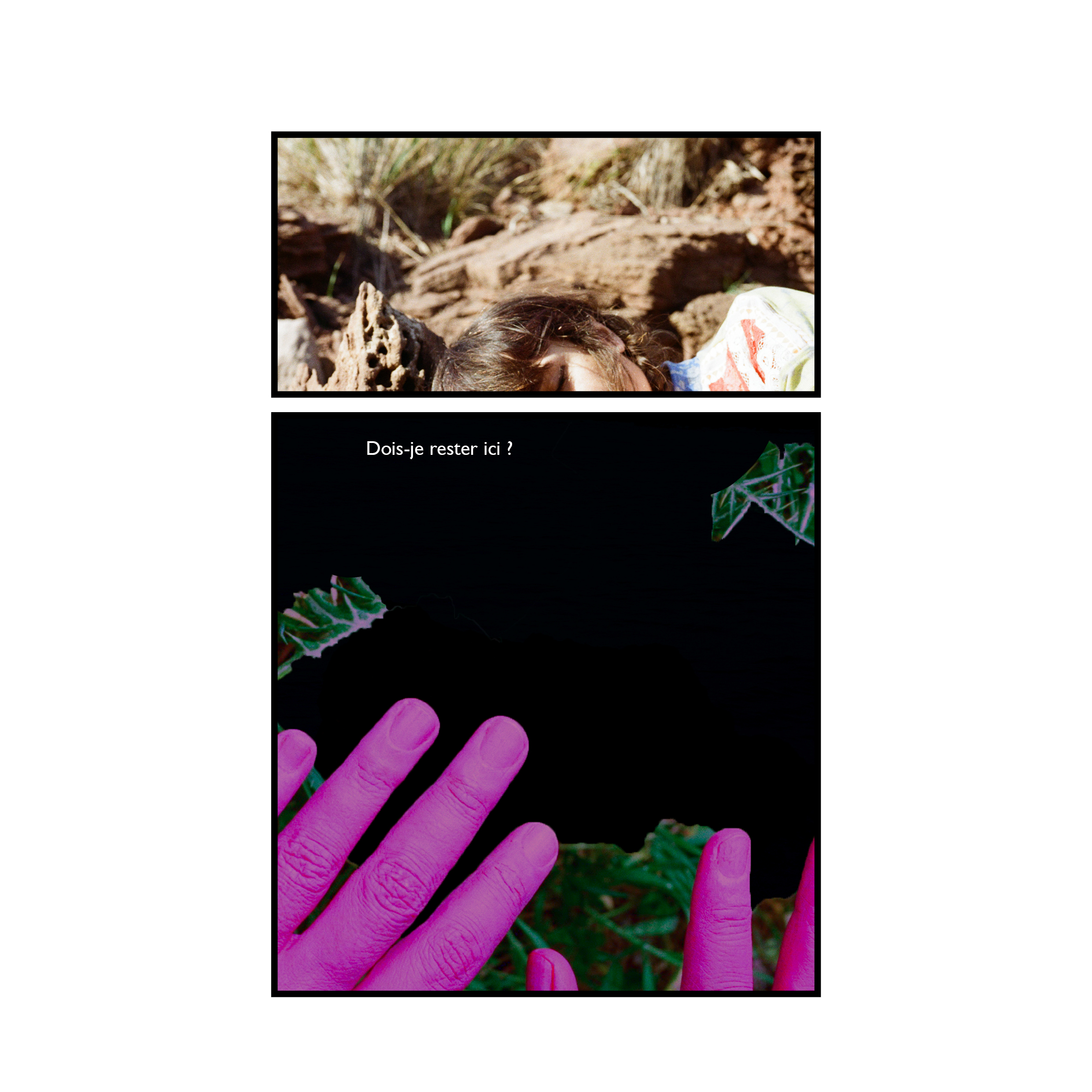
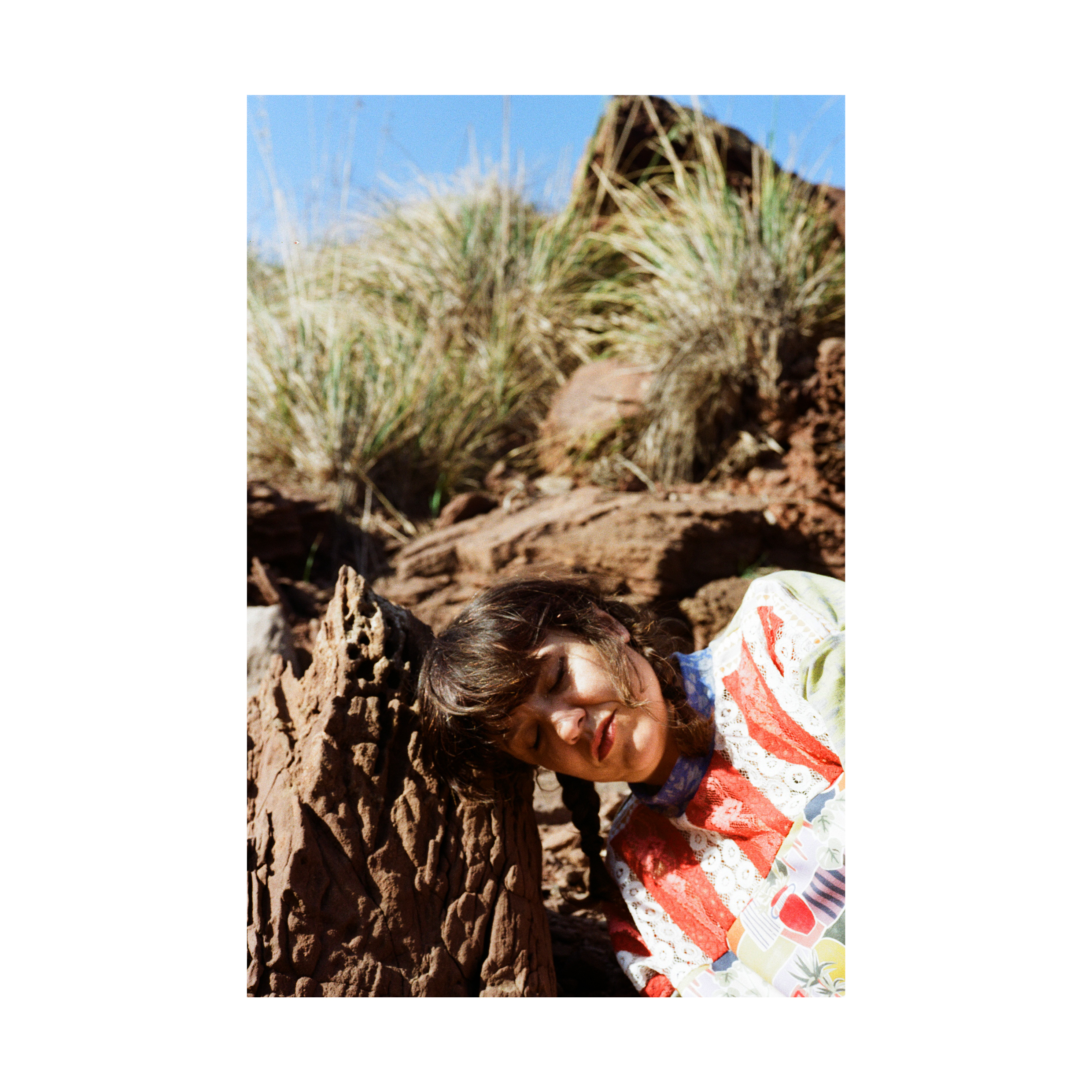
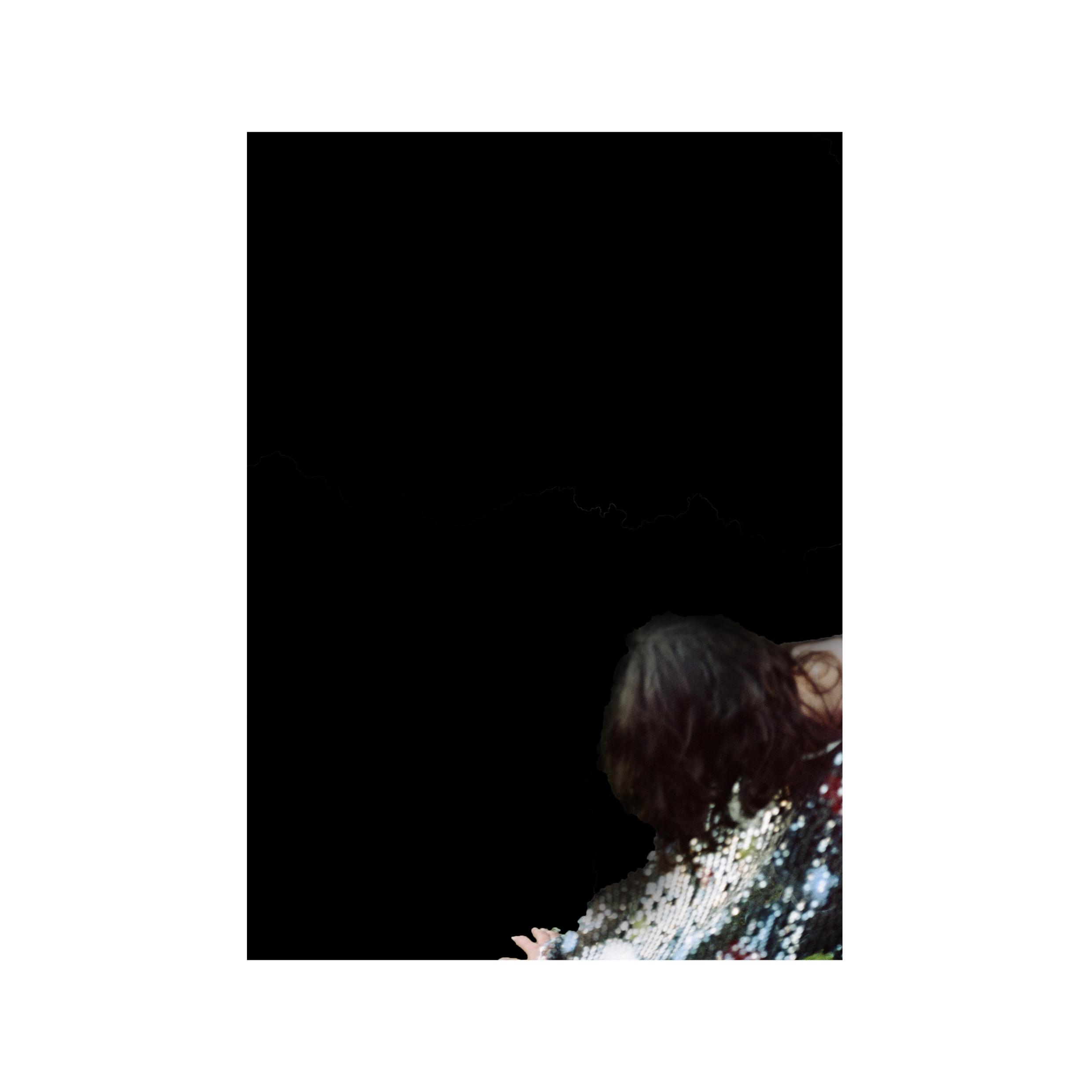
In the images from Francisca, the clothes appear like ceremonial objects. A cape becomes an armour. A printed fabric becomes a map. A silhouette becomes a fictional body walking beside an absent ancestor.

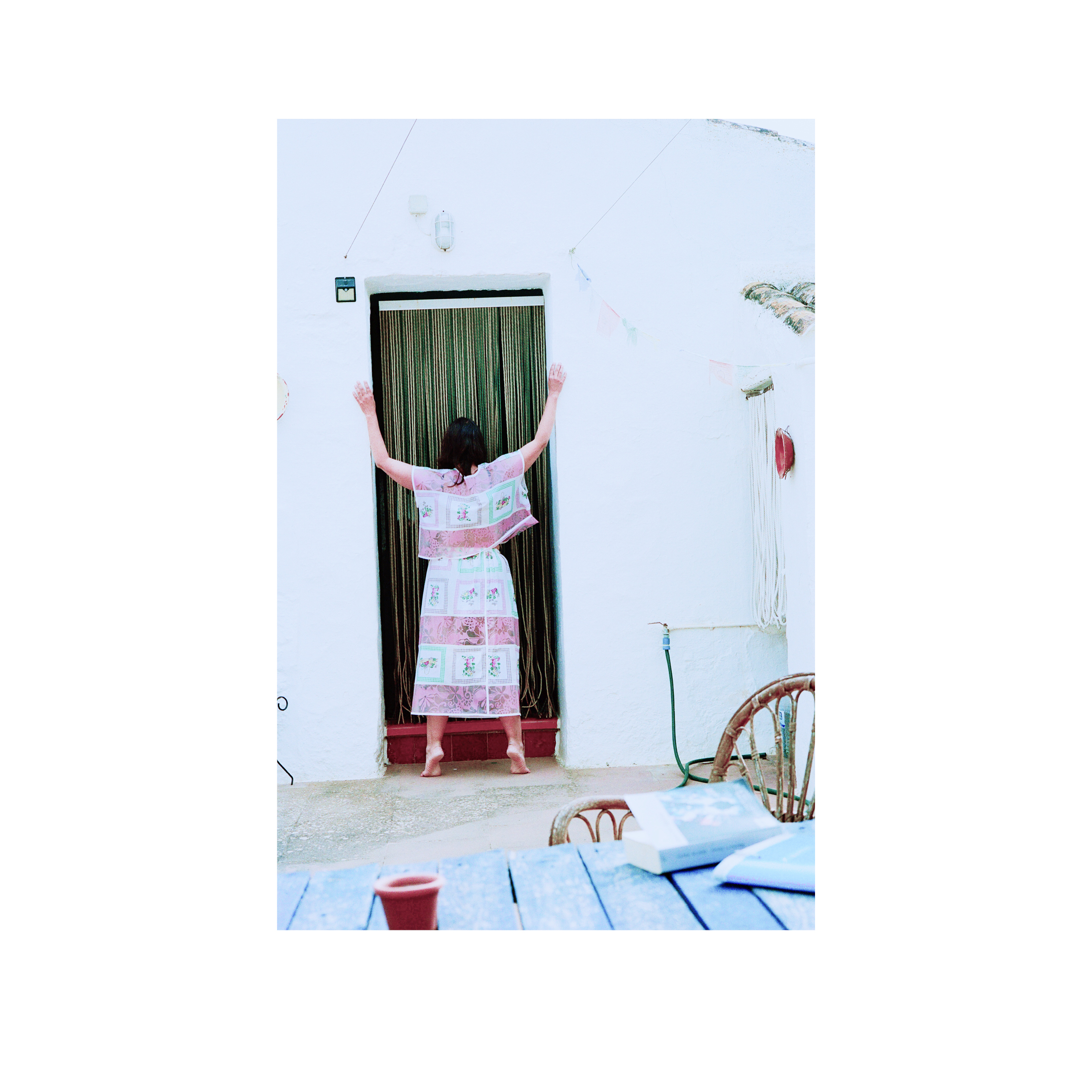

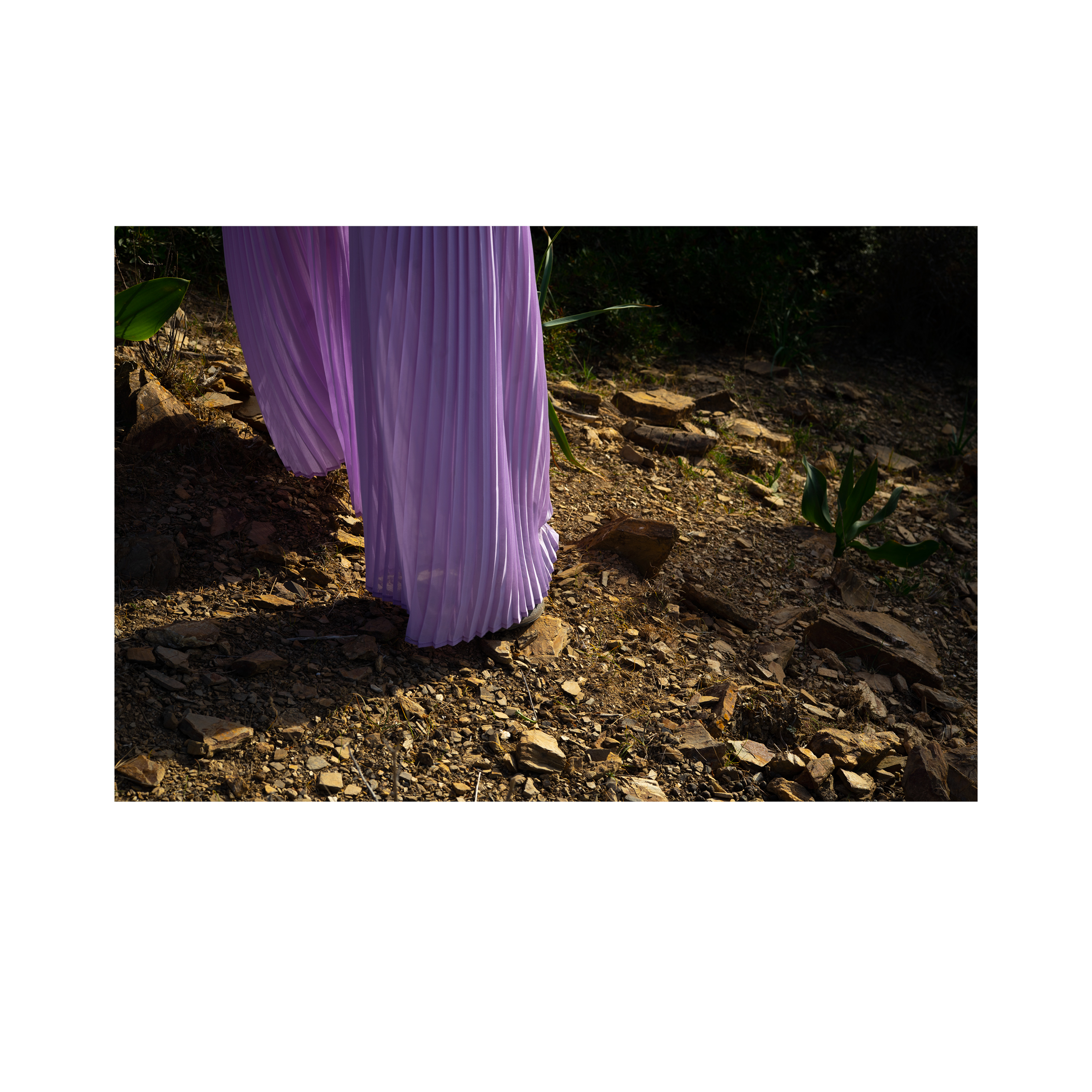

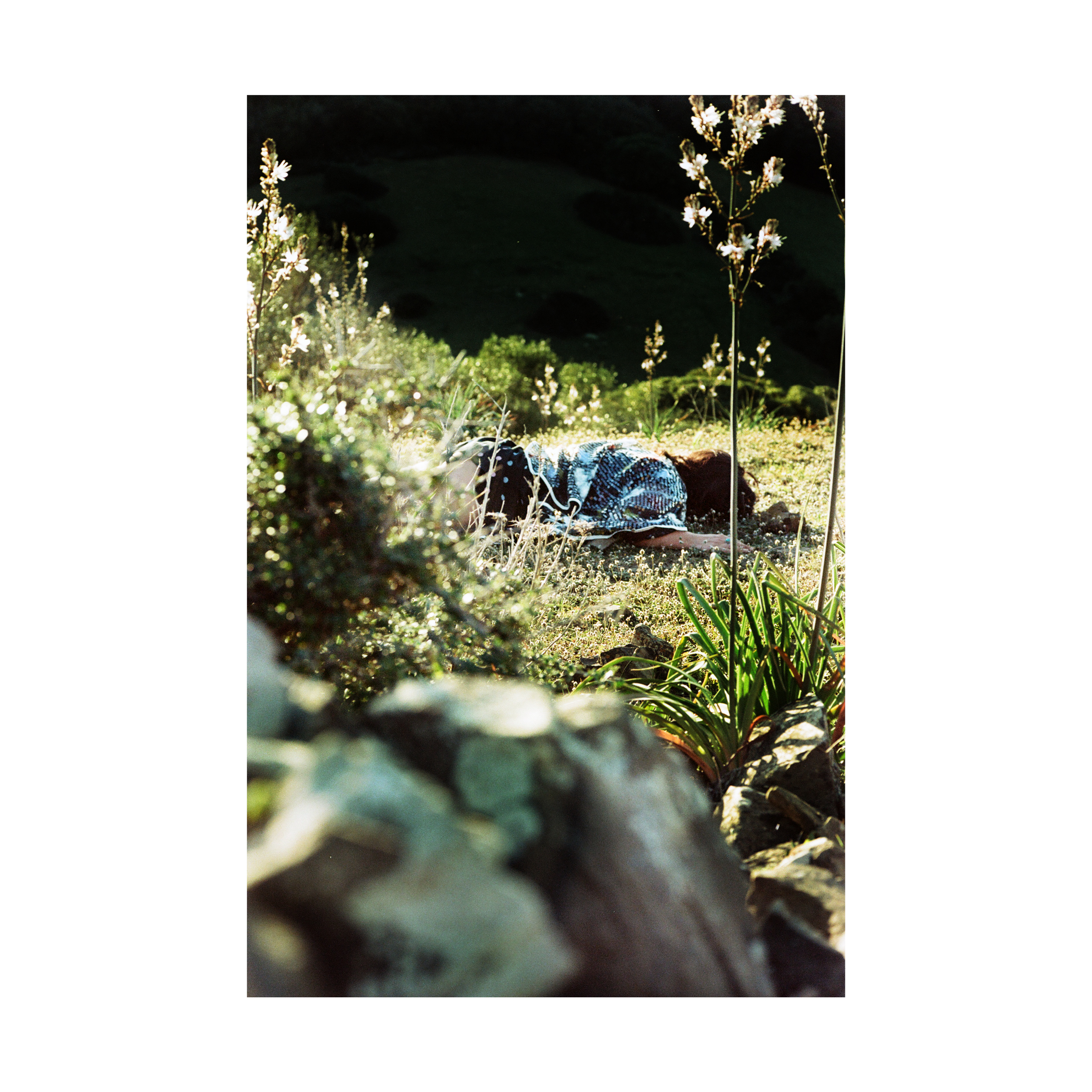
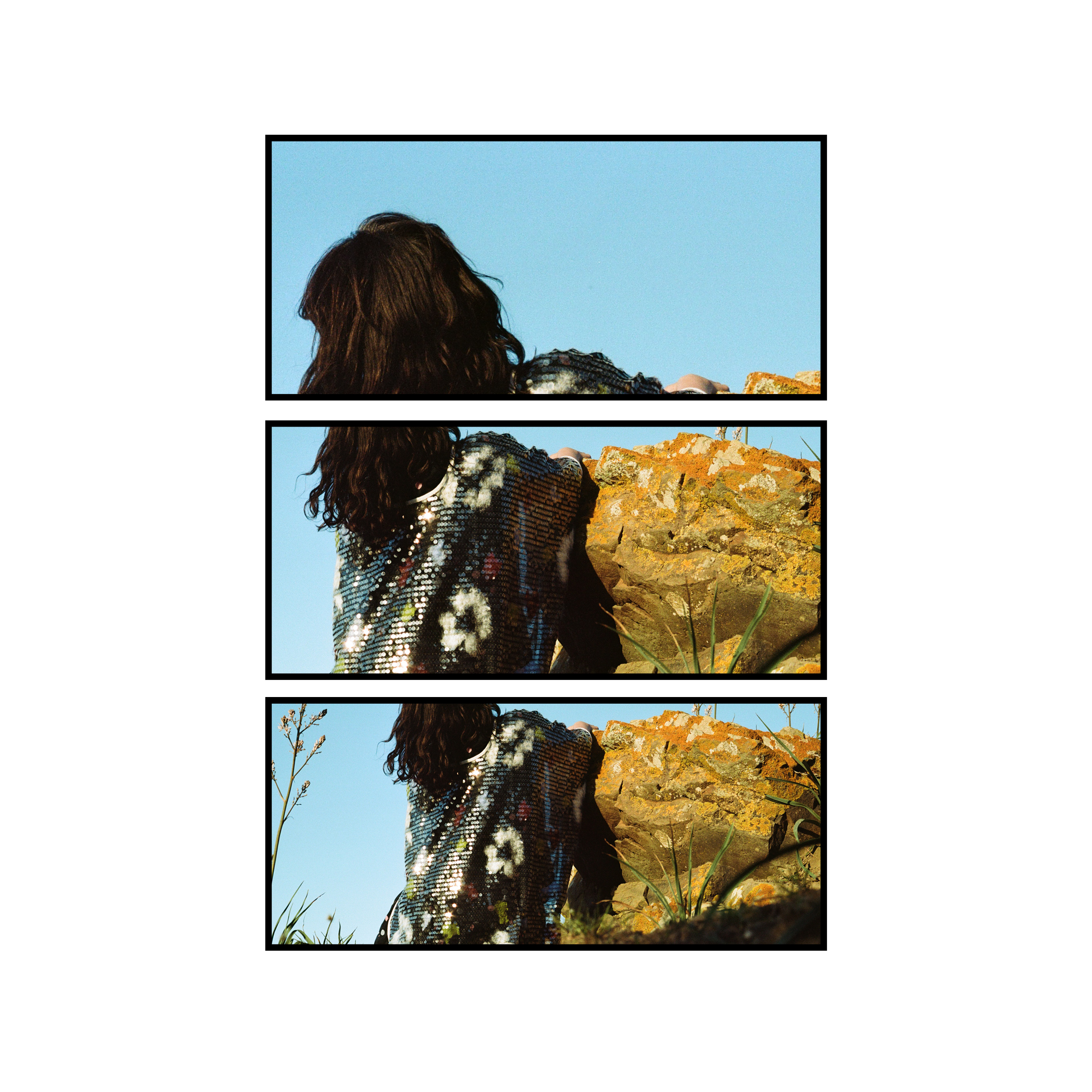
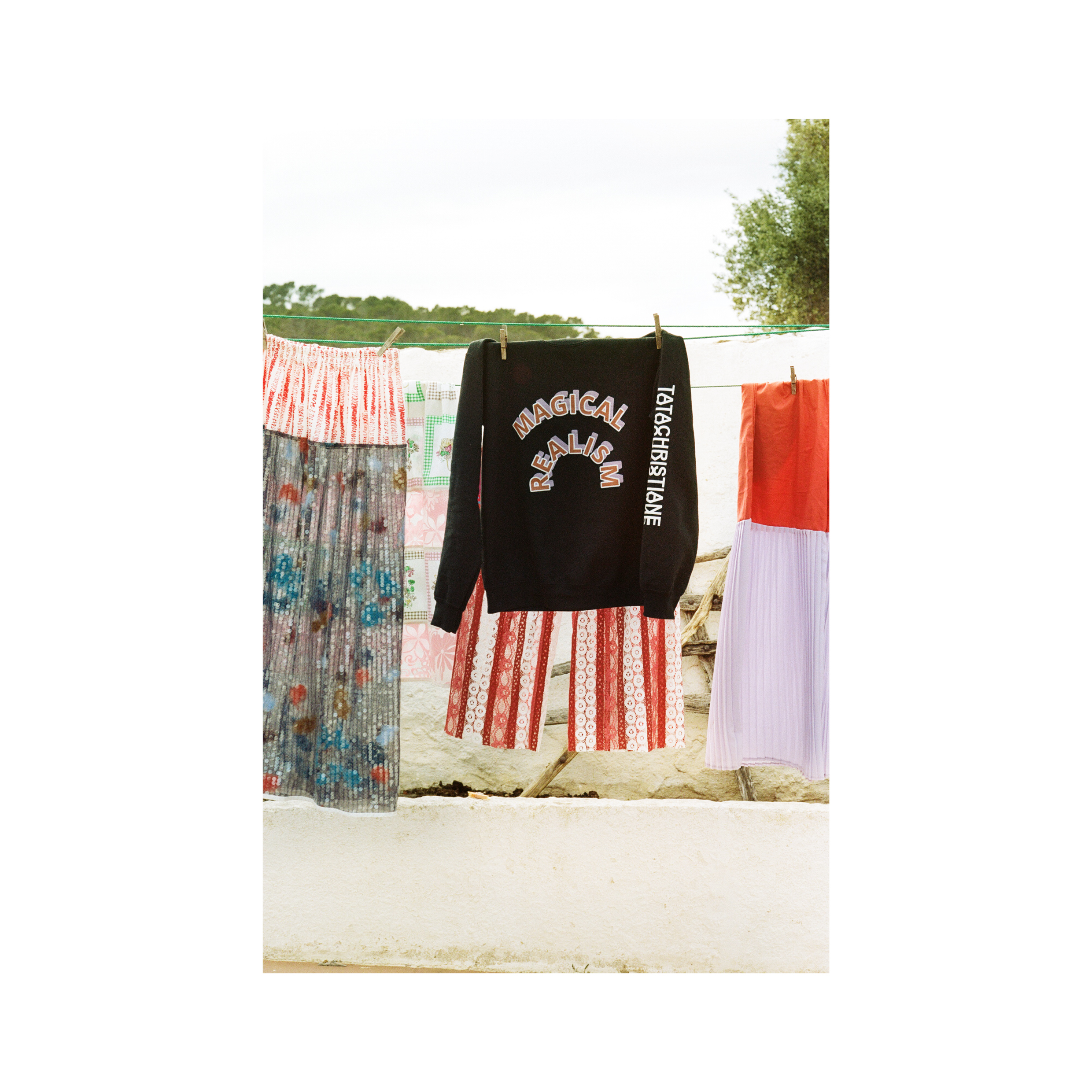
Veilhan writes that she plays with the fragmentary aspect of the garments, with small pieces of something broken and torn, like her own origins. This sentence feels deeply connected to the world of Tata Christiane, where discarded materials, vintage fabrics and textile leftovers are not treated as waste, but as living witnesses.
Each piece carries a before and an after. Each fabric has already lived. Through upcycling and slow fashion, Tata Christiane transforms these fragments into emotional clothing, garments that remember, protect and speak.
A dialogue with Slow Fashion Week Marseille 2026
This encounter between Clémence Veilhan and Tata Christiane belongs to a wider conversation around slow fashion, emotional clothing and artistic collaboration. It also resonates with our recent article on Slow Fashion Week Marseille 2026, where fashion is understood not as a seasonal command, but as a cultural practice, a social gesture and a way to preserve sensitive forms of making.
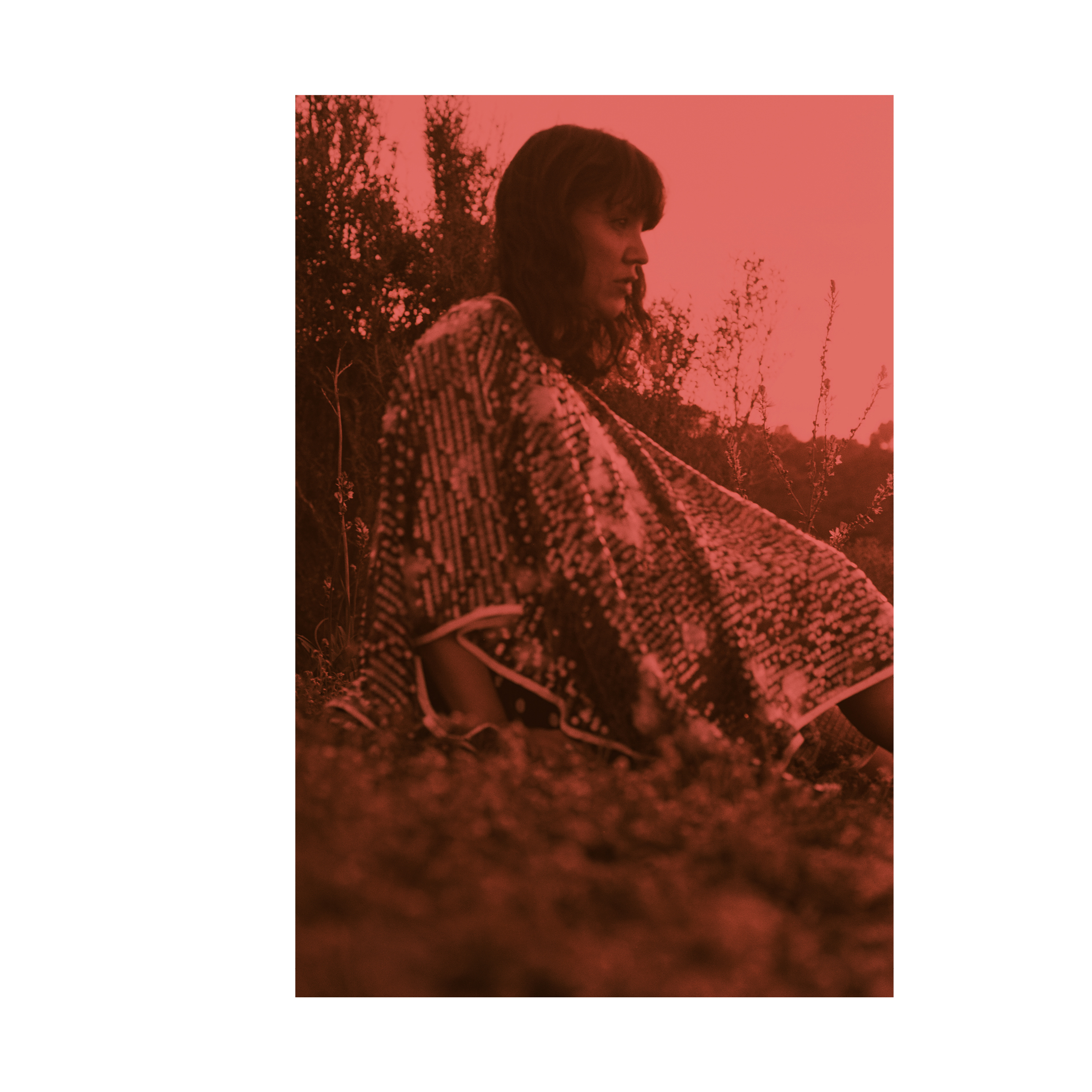
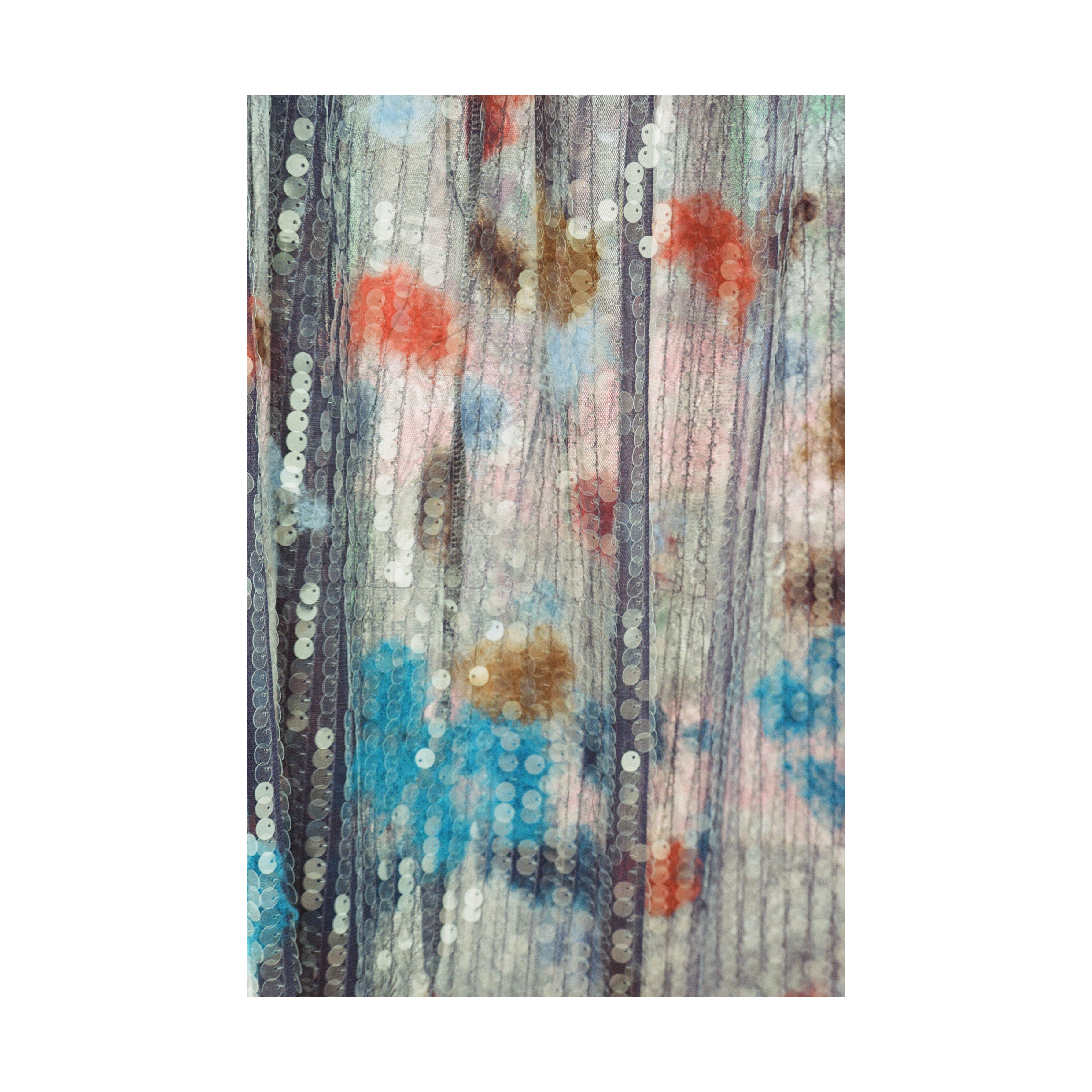
In both projects, clothing becomes a place of transmission. It connects bodies to stories, craft to memory, and individual experience to collective history.
Not a fashion editorial, but a ritual
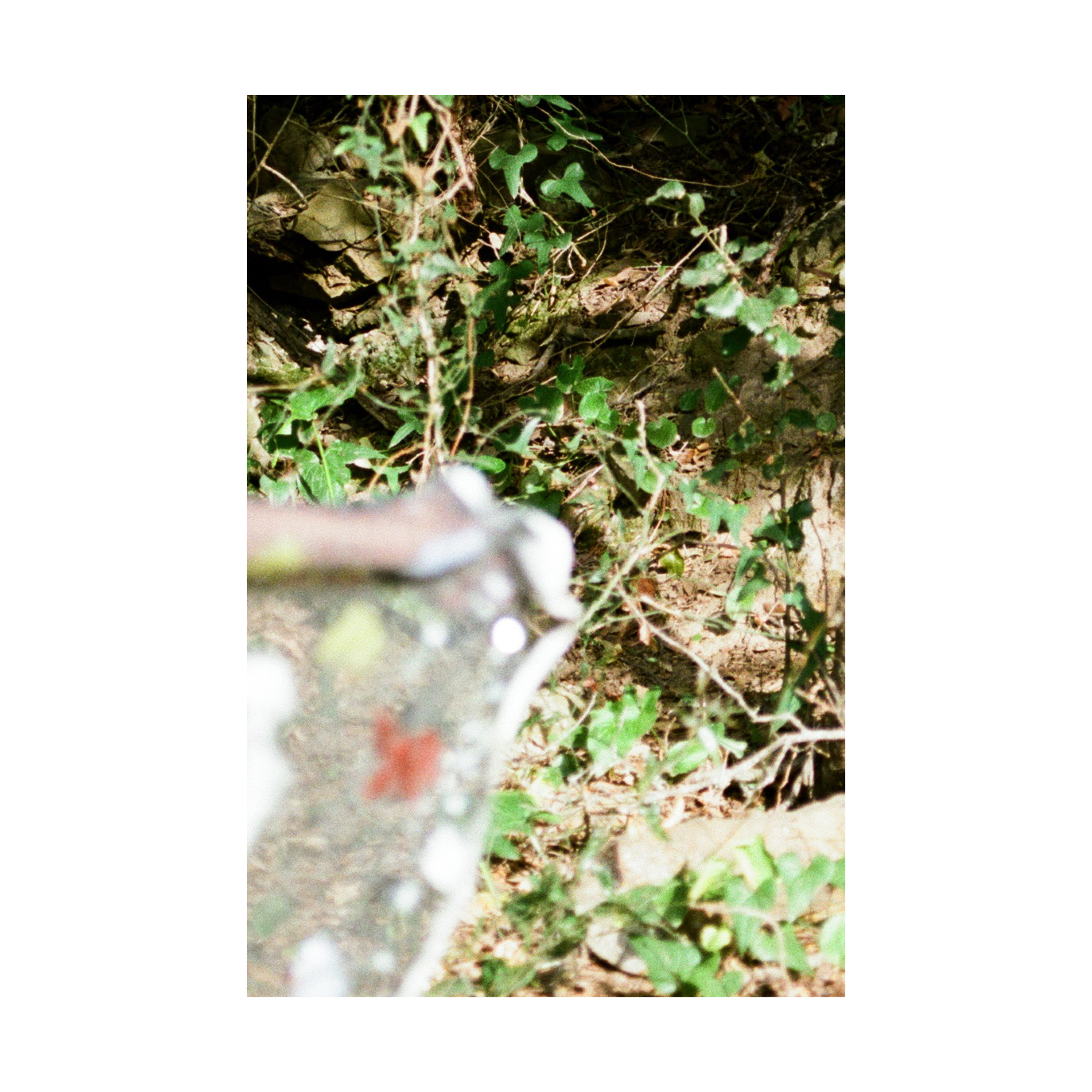
Francisca is not a traditional fashion editorial. It is closer to a photo novel, a ritual, a personal mythology. Veilhan does not photograph only what she sees. She searches for the physical dimension of the image, the contact with light, the sensation of new geographical coordinates.
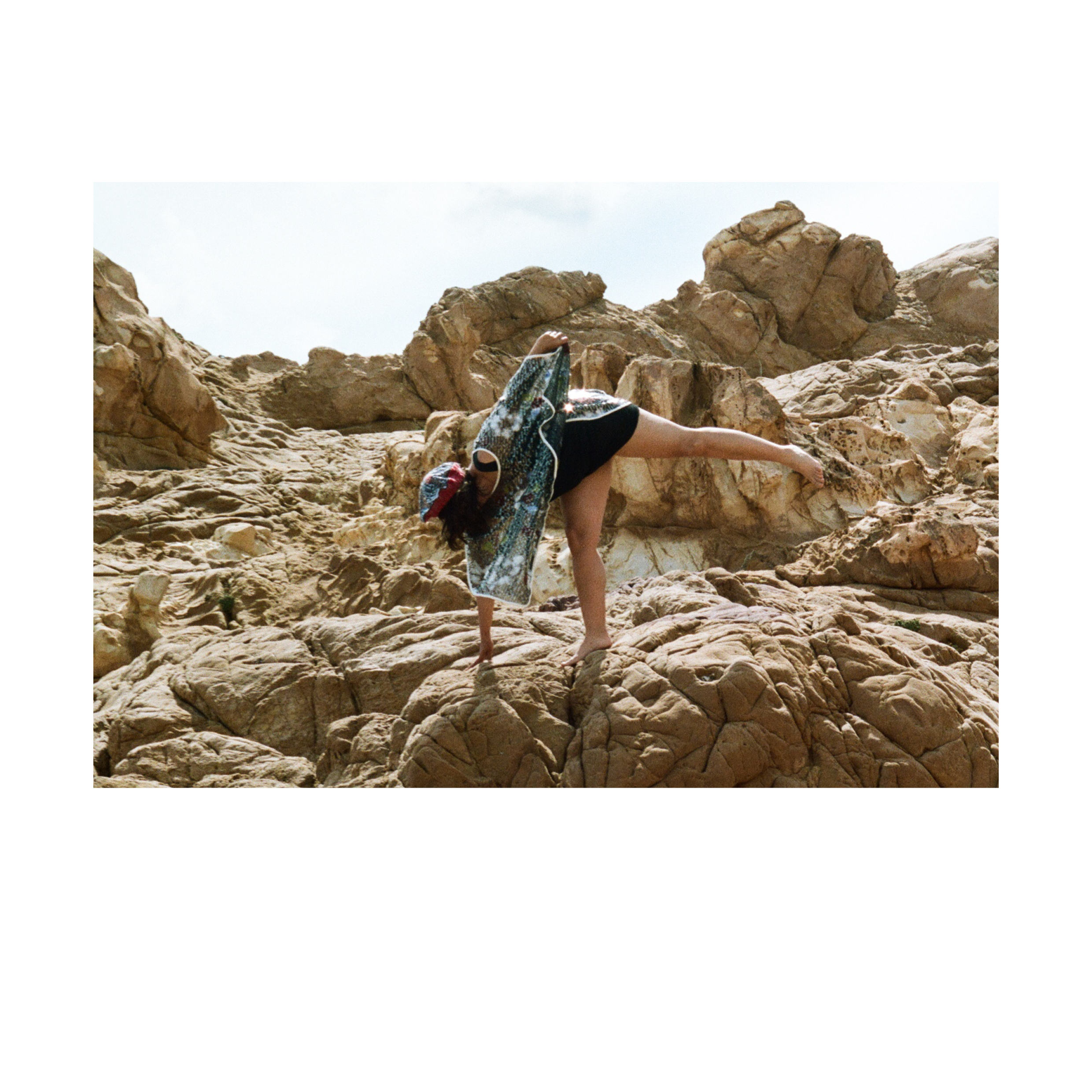
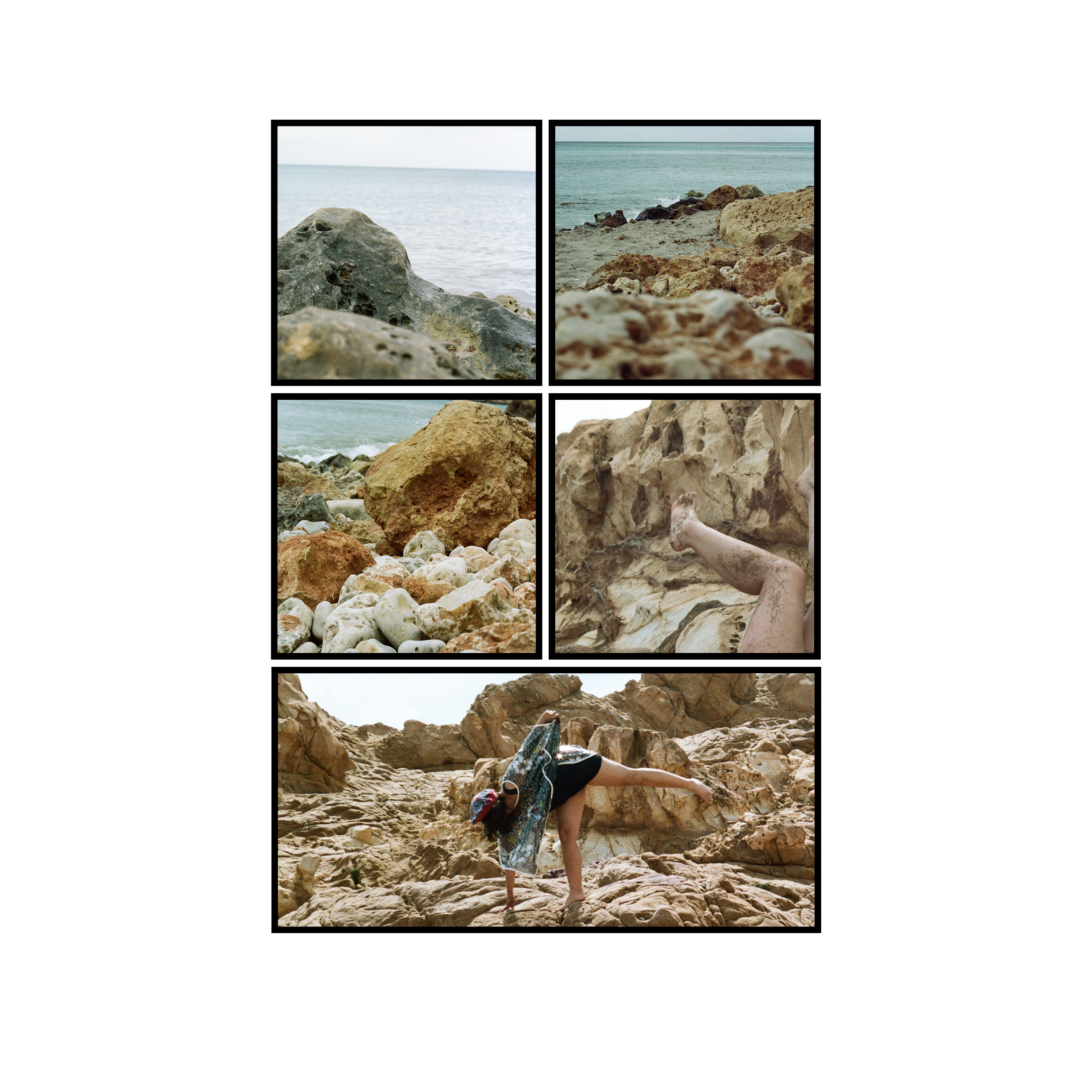
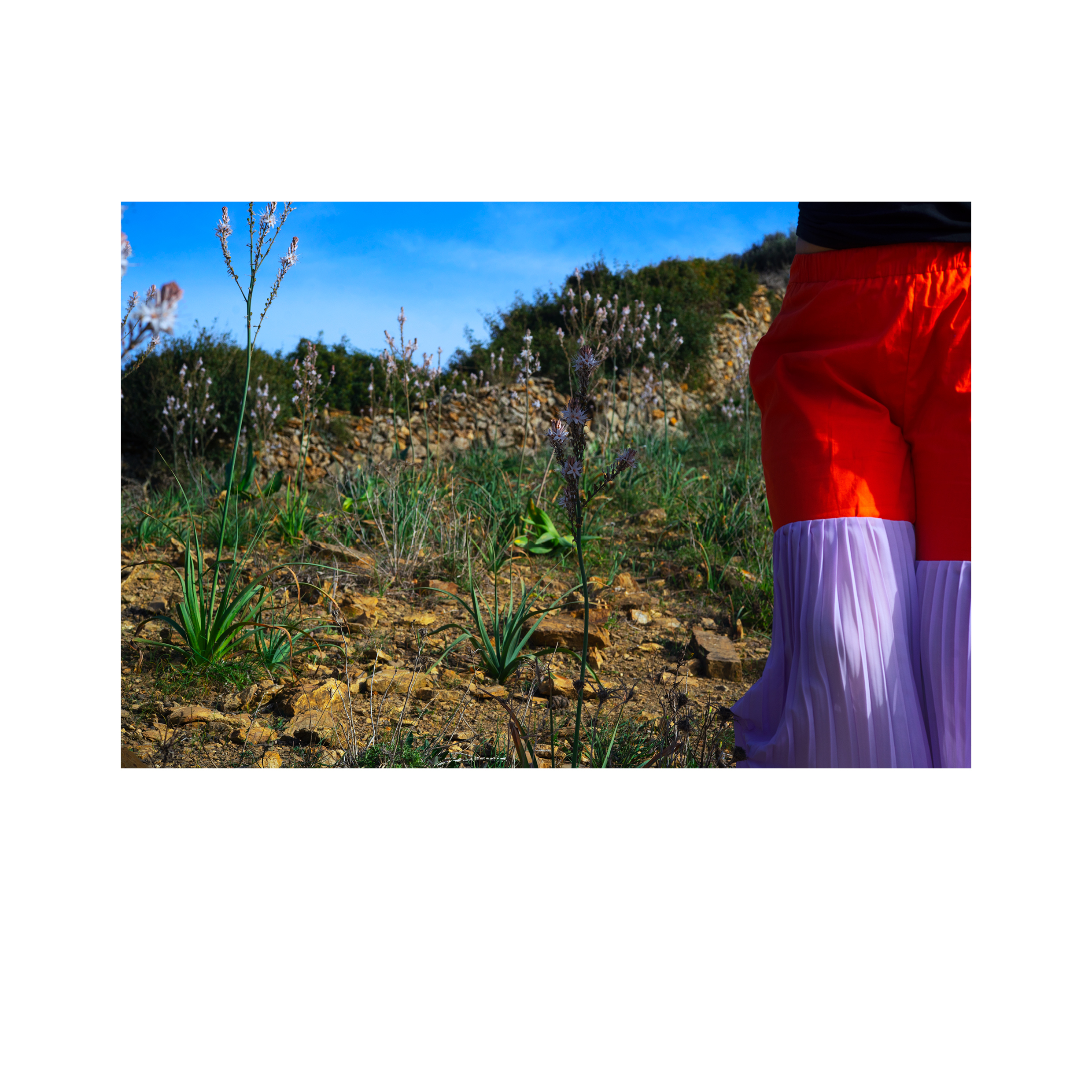
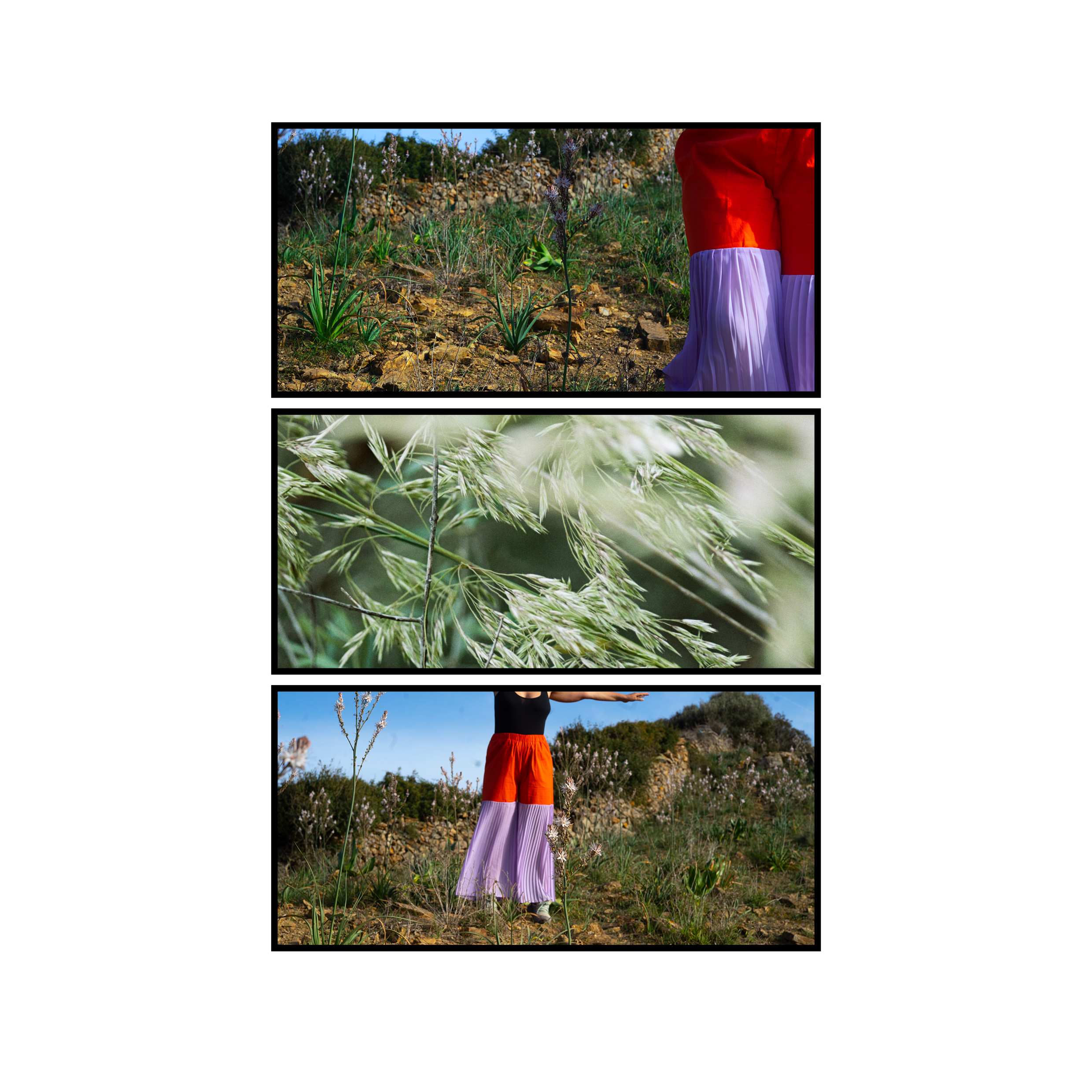
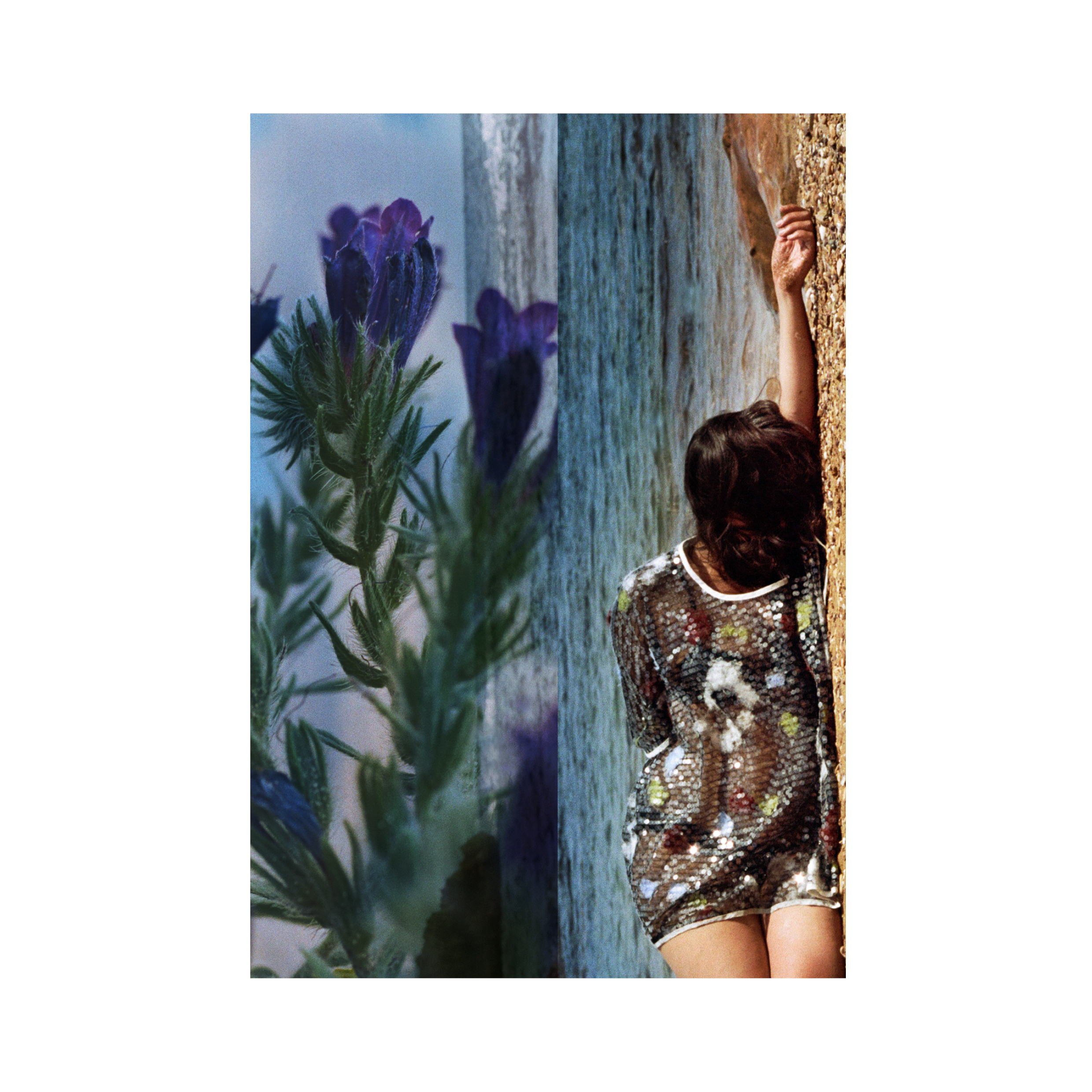
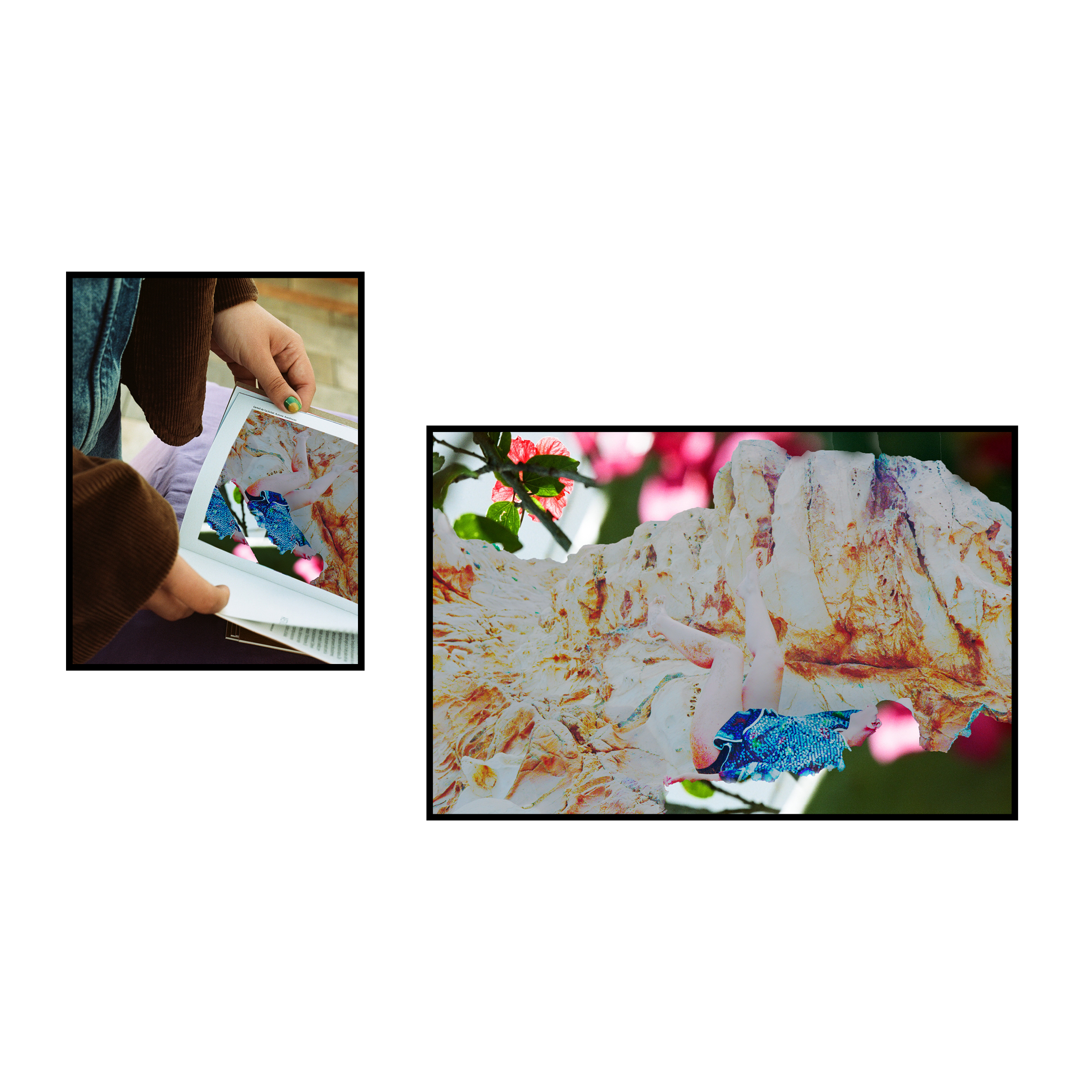
The garments accompany this search like companions. They allow the body to enter the landscape with intensity, vulnerability and theatre. They give shape to the invisible.
Fashion as memory, costume and emotional reconstruction
For Tata Christiane, this collaboration carries a natural intimacy. Since its creation in Berlin, the label has always moved between fashion, costume, art and emotional reconstruction. Its pieces are handmade in small quantities, often from upcycled textiles, deadstock fabrics, vintage elements and studio remnants.
They are not neutral garments. They are expressive, eccentric, poetic and sometimes protective. They invite the wearer to become a character, but also to recover something hidden inside themselves.
In Francisca, this idea finds a beautiful echo. The clothes do not disguise Clémence Veilhan. They help her meet Francisca. They create a bridge between Minorca and Algeria, between family silence and photographic fiction, between the living body and the imagined woman.



Wearing fragments with dignity
To wear Tata Christiane in this context is to wear fragments with dignity. It is to accept that identity is not smooth. It is made of crossings, migrations, forgotten names, inherited gestures and sudden recognitions in the middle of a market.
Through Francisca, Clémence Veilhan gives us a luminous example of how clothing and photography can work together to summon a ghost, follow a trace and transform absence into image.