Slow Fashion Week Marseille 2026: Emotional Clothing, Collective Energy and New Visions for Fashion
From June 5 to June 13, 2026, Marseille became the stage for a different vision of fashion. Across exhibitions, workshops, performances and fashion shows, the second edition of Slow Fashion Week Marseille brought together designers, artists, activists and textile practitioners committed to a more human and sustainable future for fashion.
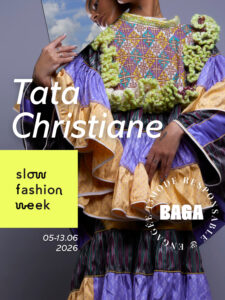
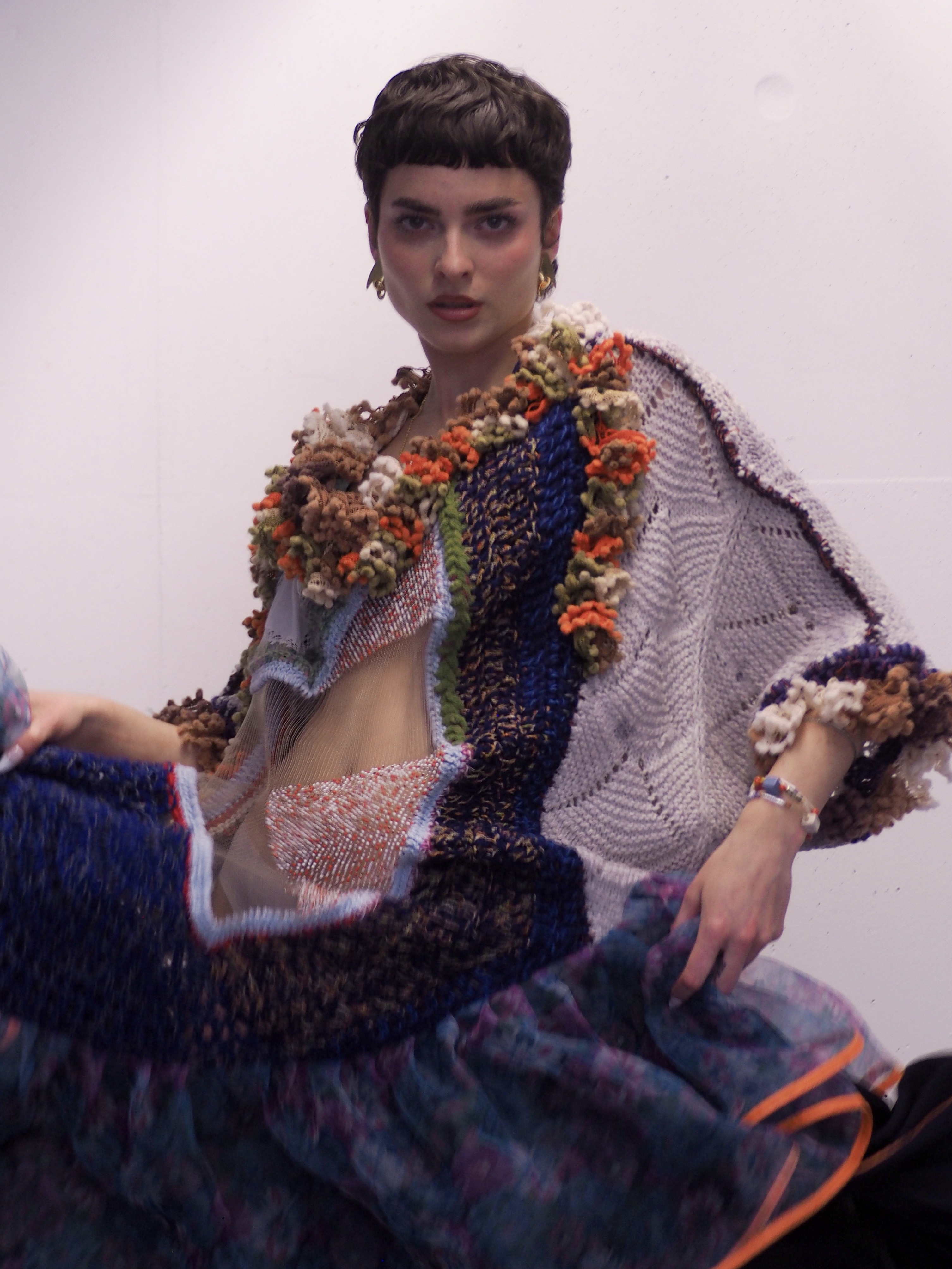
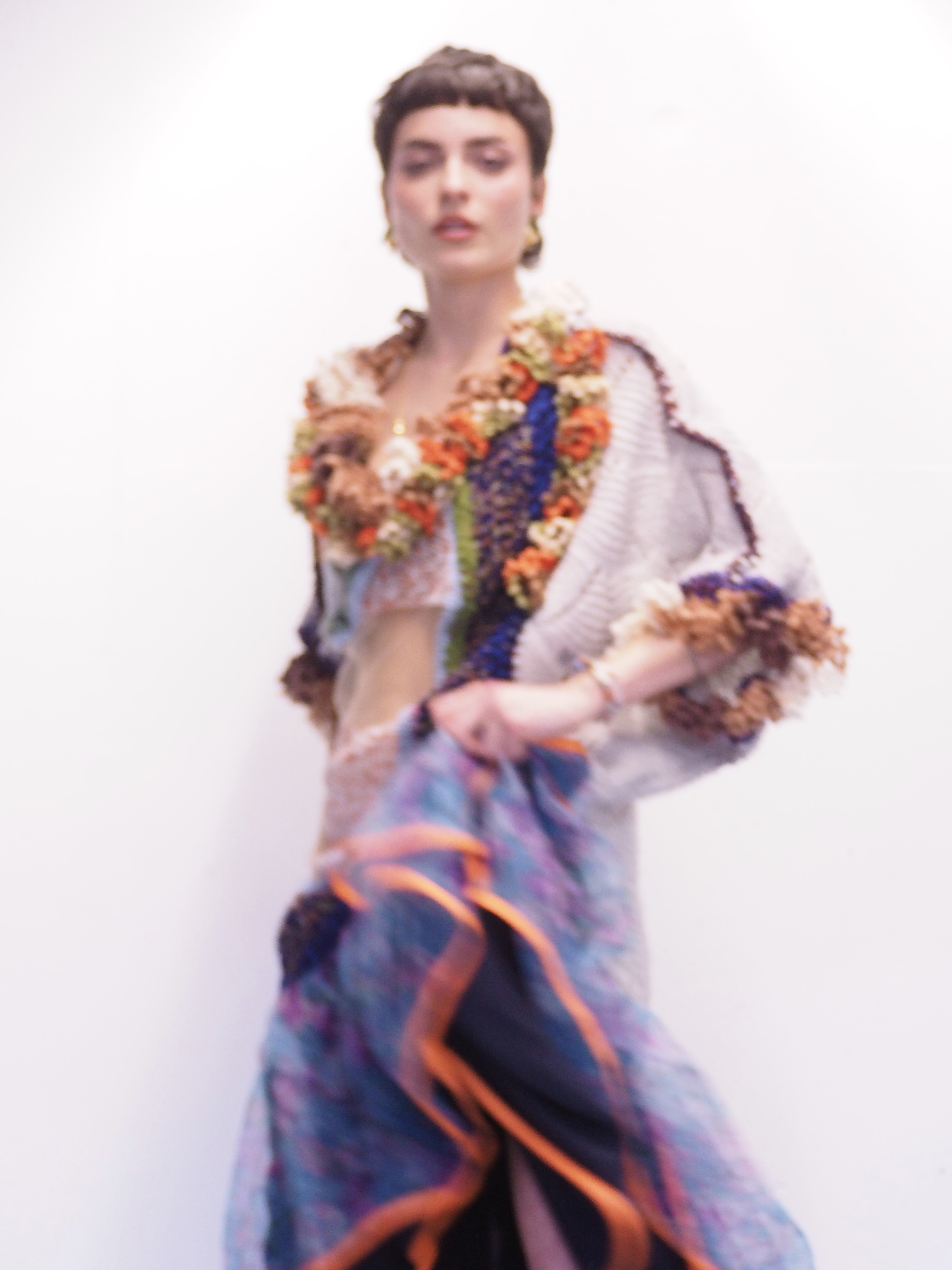
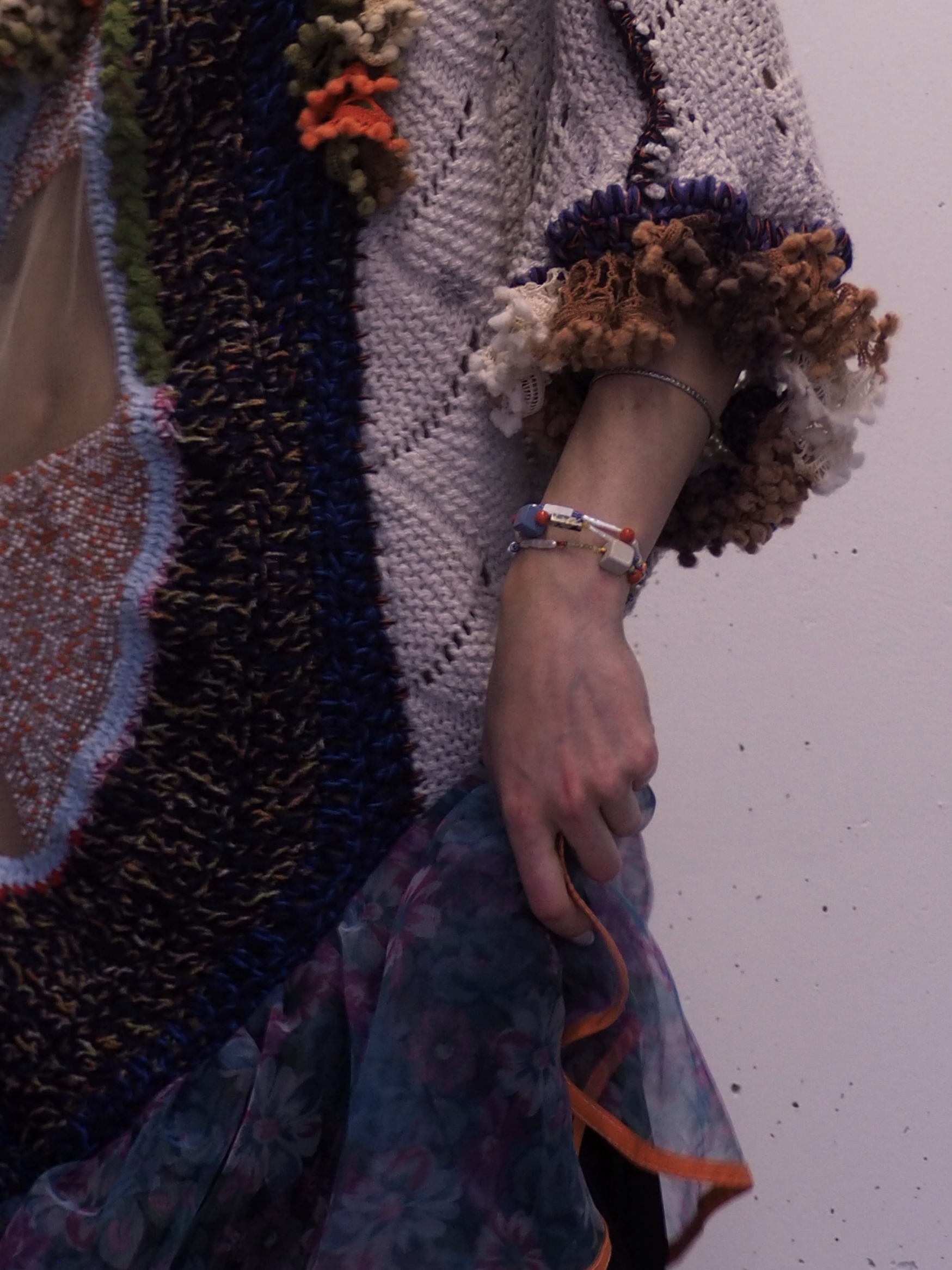
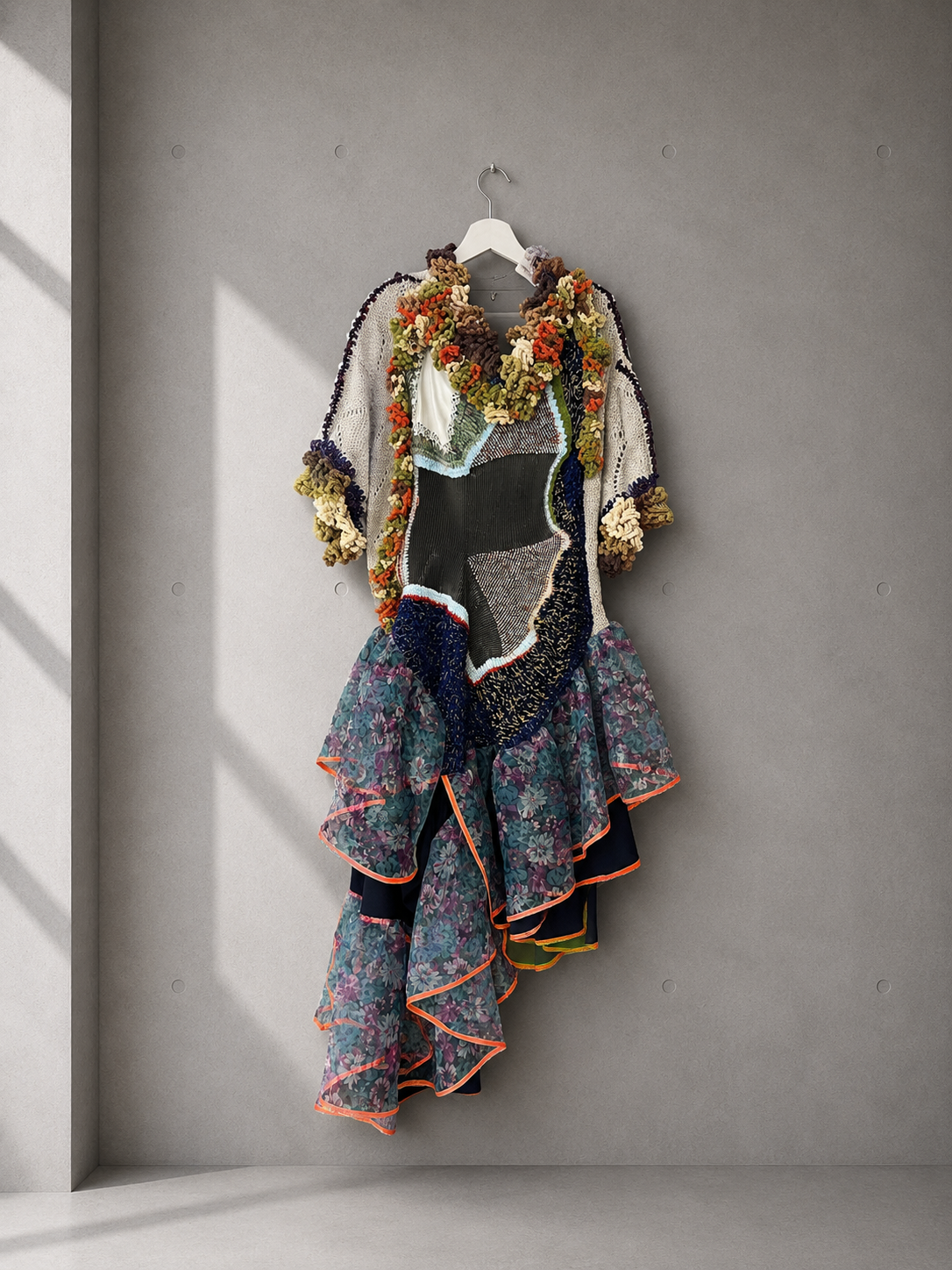
For Tata Christiane, returning to Marseille carried a special significance. Founded in Berlin in 2007 but deeply rooted in Marseille, the label participated through the exhibition Emotional Clothing: Le Vêtement comme Antidote, a collective project developed with Mercure Soufre Sel and Clémence Veilhan, as well as through the collective fashion show Les V Visions at FRAC Sud.
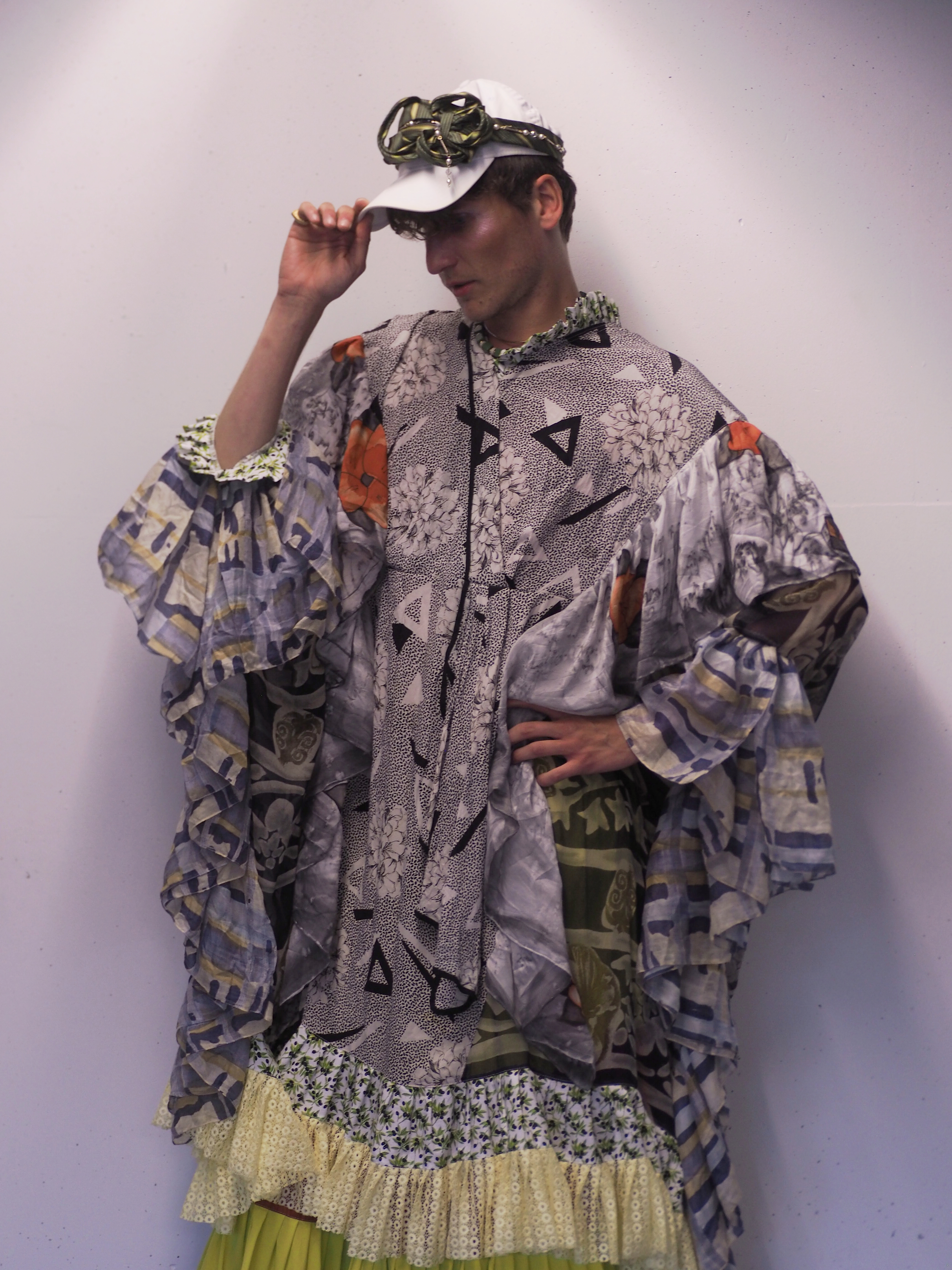
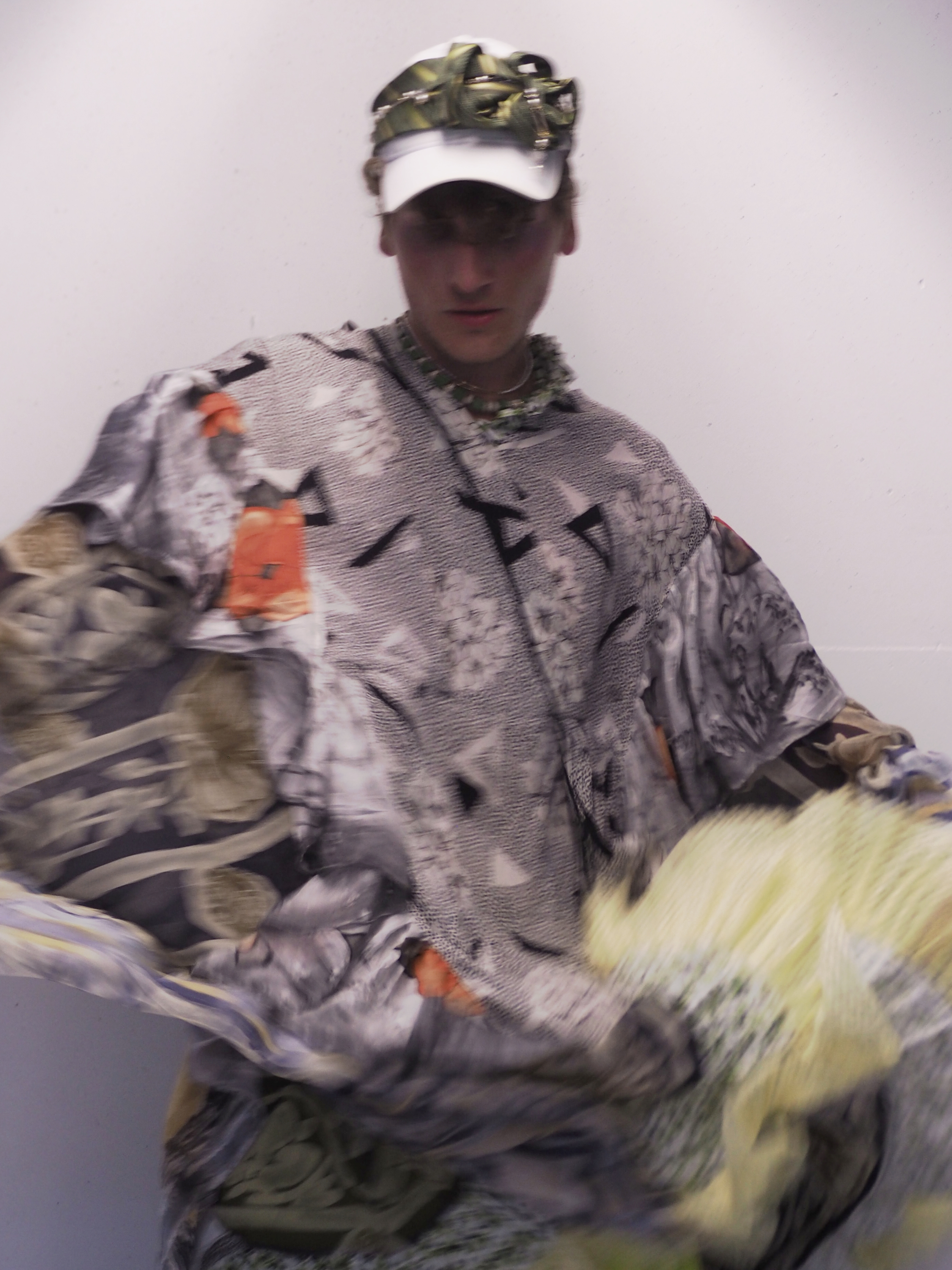
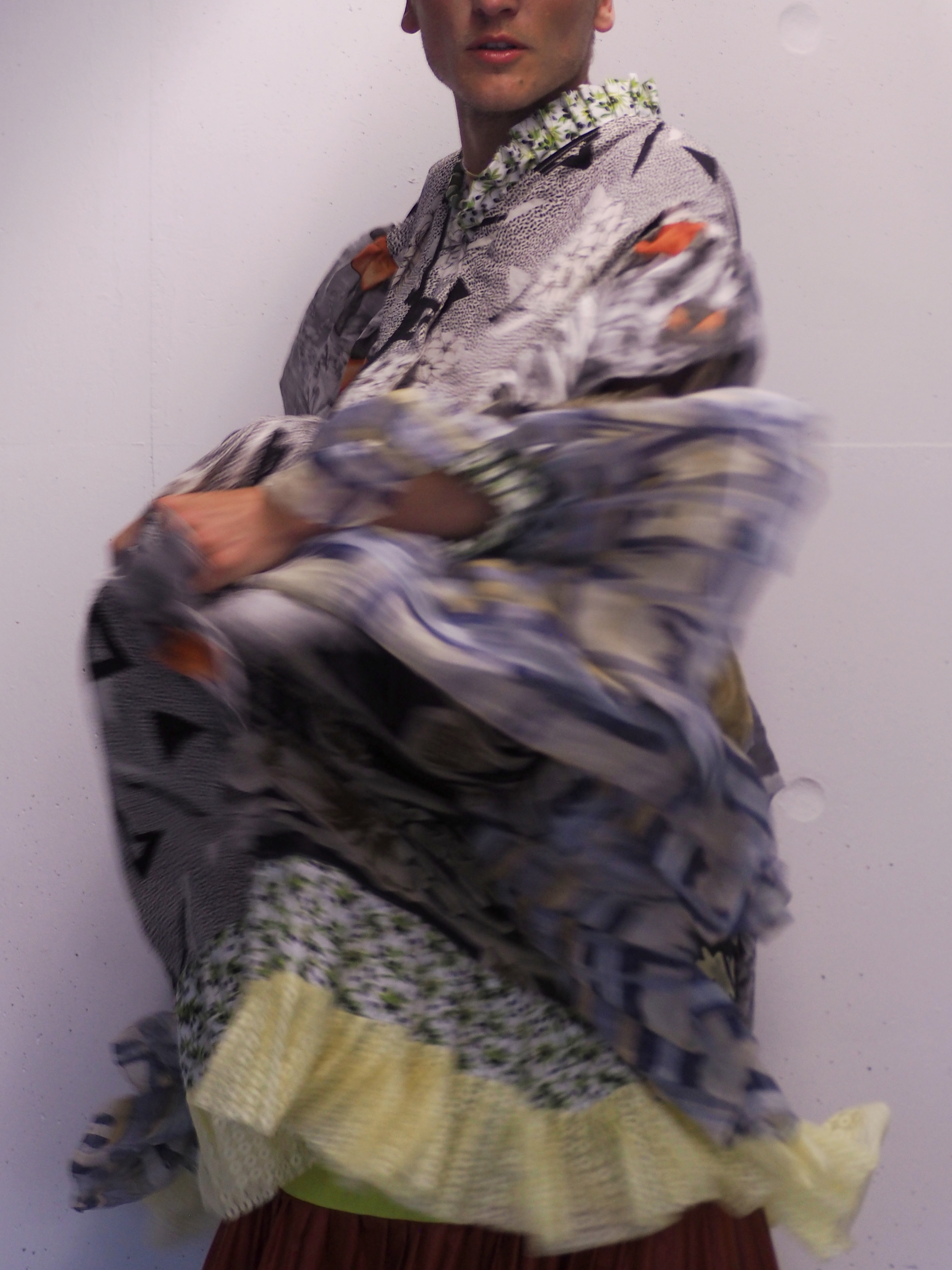
Table of Contents
- A Different Fashion Week
- Emotional Clothing at Atelier Rafale
- Les V Visions at FRAC Sud
- Workshops, Transmission and Collective Knowledge
- Media Coverage and Growing Visibility
- Fashion Beyond Consumption
A Different Fashion Week
While traditional fashion weeks often focus on speed, exclusivity and constant renewal, Slow Fashion Week Marseille proposes another rhythm. Organized by BAGA Collectif, the event places craftsmanship, repair, local production, reuse and social connection at the center of contemporary fashion.
The program spread across multiple locations throughout Marseille, creating a citywide conversation around sustainability, creativity and cultural transmission.
This approach has attracted increasing attention from both local and international media. Publications such as Mixte Magazine, Made in Marseille, FashionUnited and various AFP syndications highlighted Marseille as an emerging center for sustainable fashion initiatives in France.
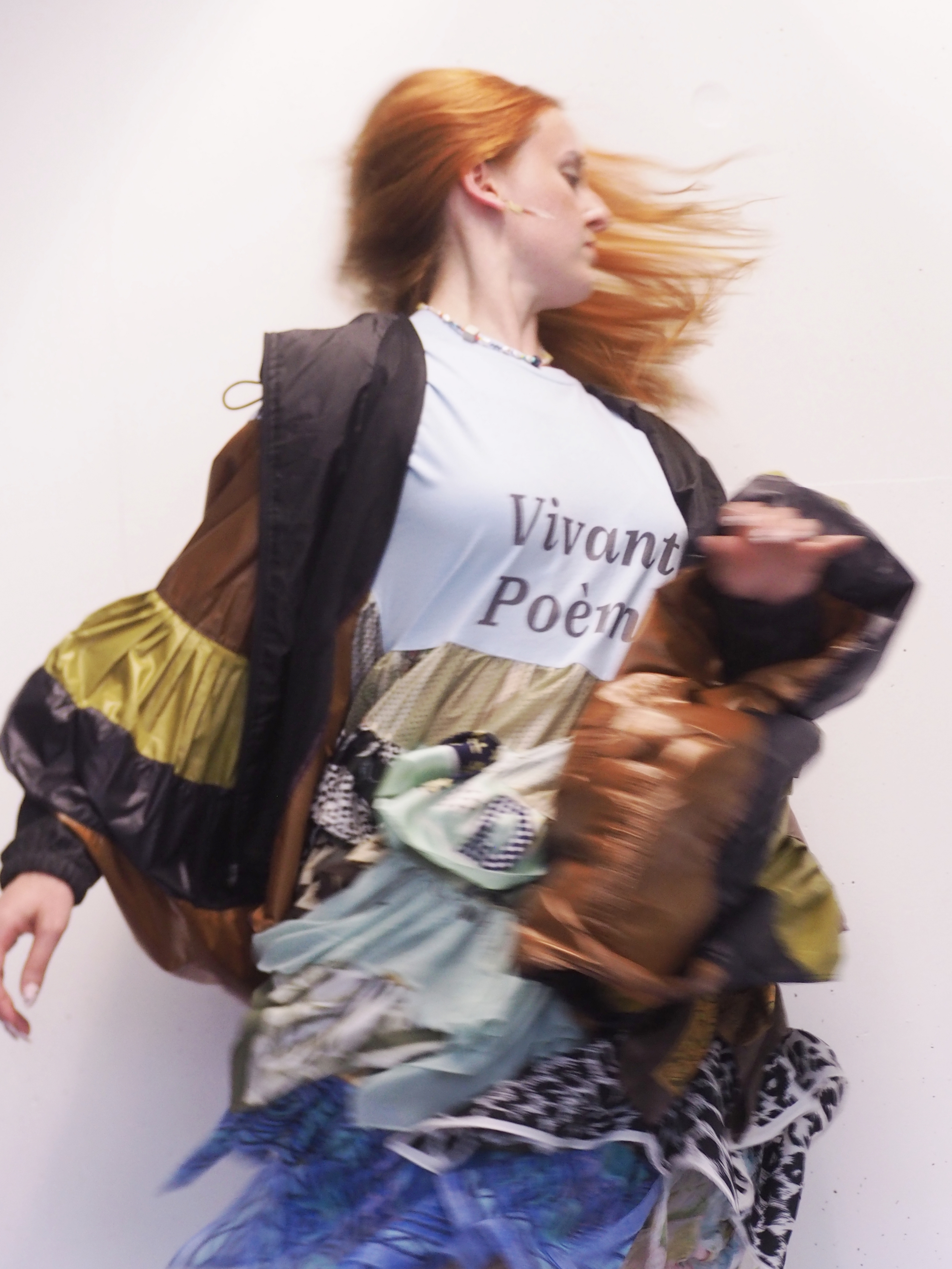
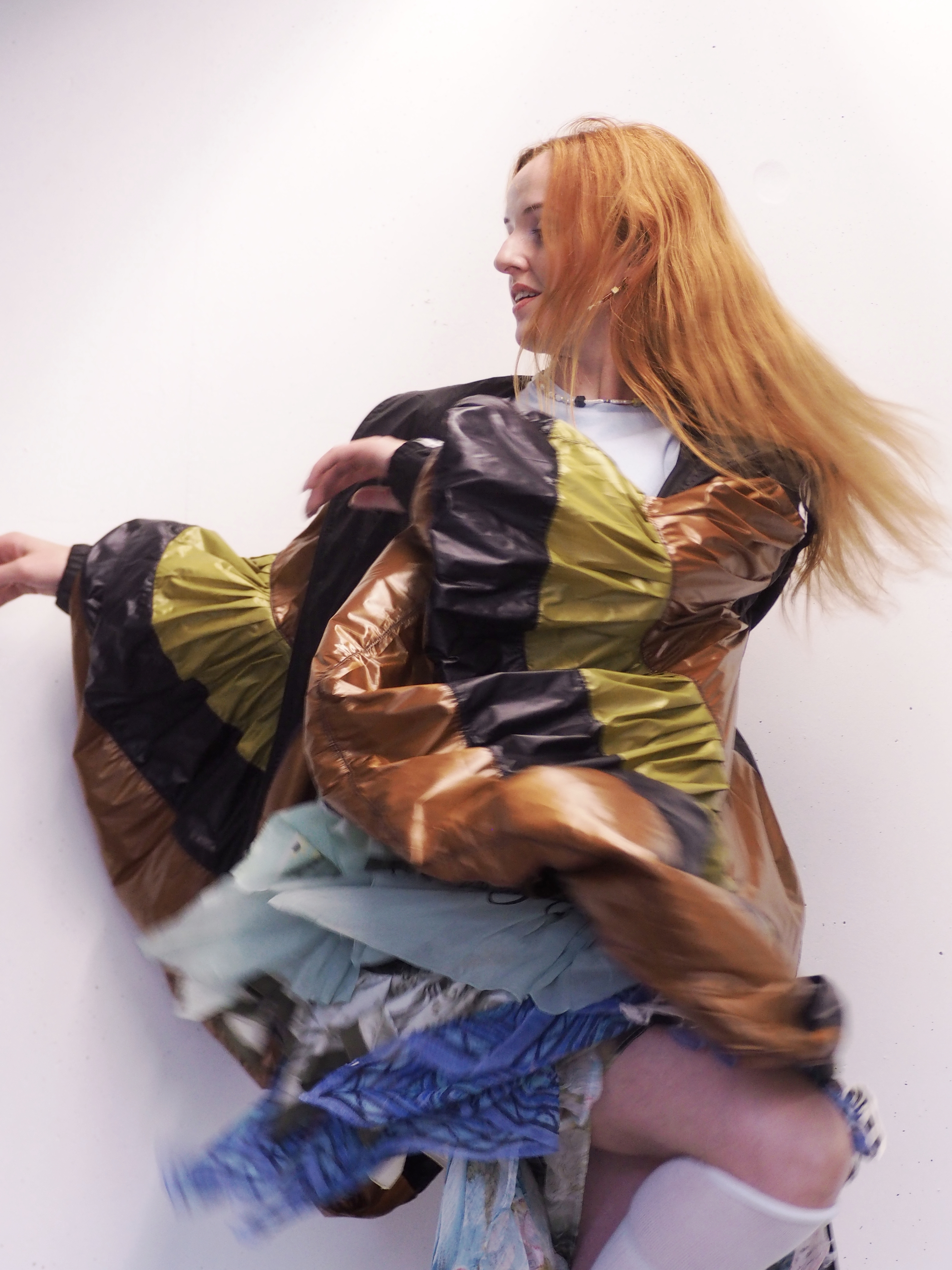
Emotional Clothing at Atelier Rafale
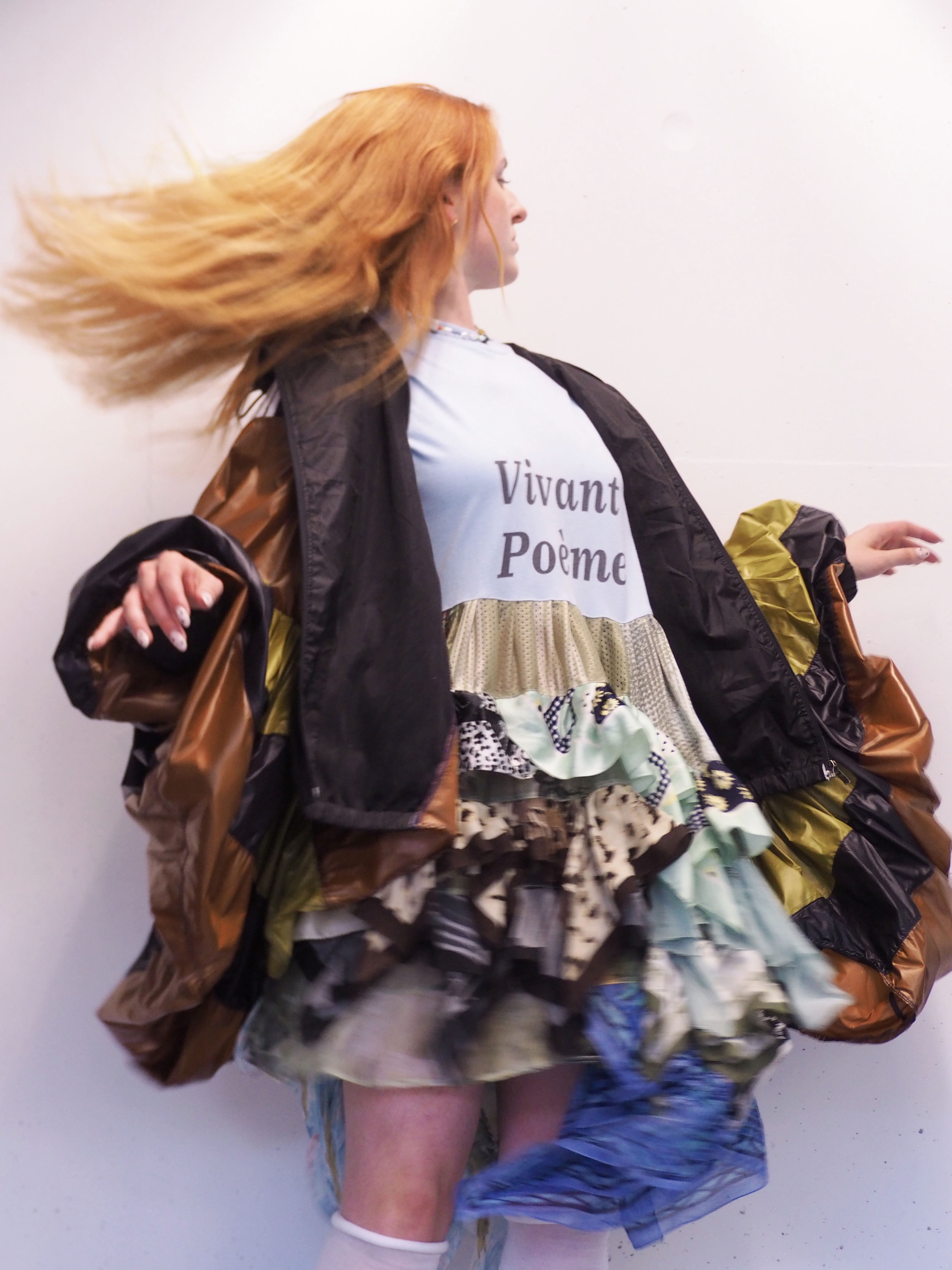
At the heart of Tata Christiane’s participation was the exhibition Emotional Clothing: Le Vêtement comme Antidote, presented at Atelier Rafale.
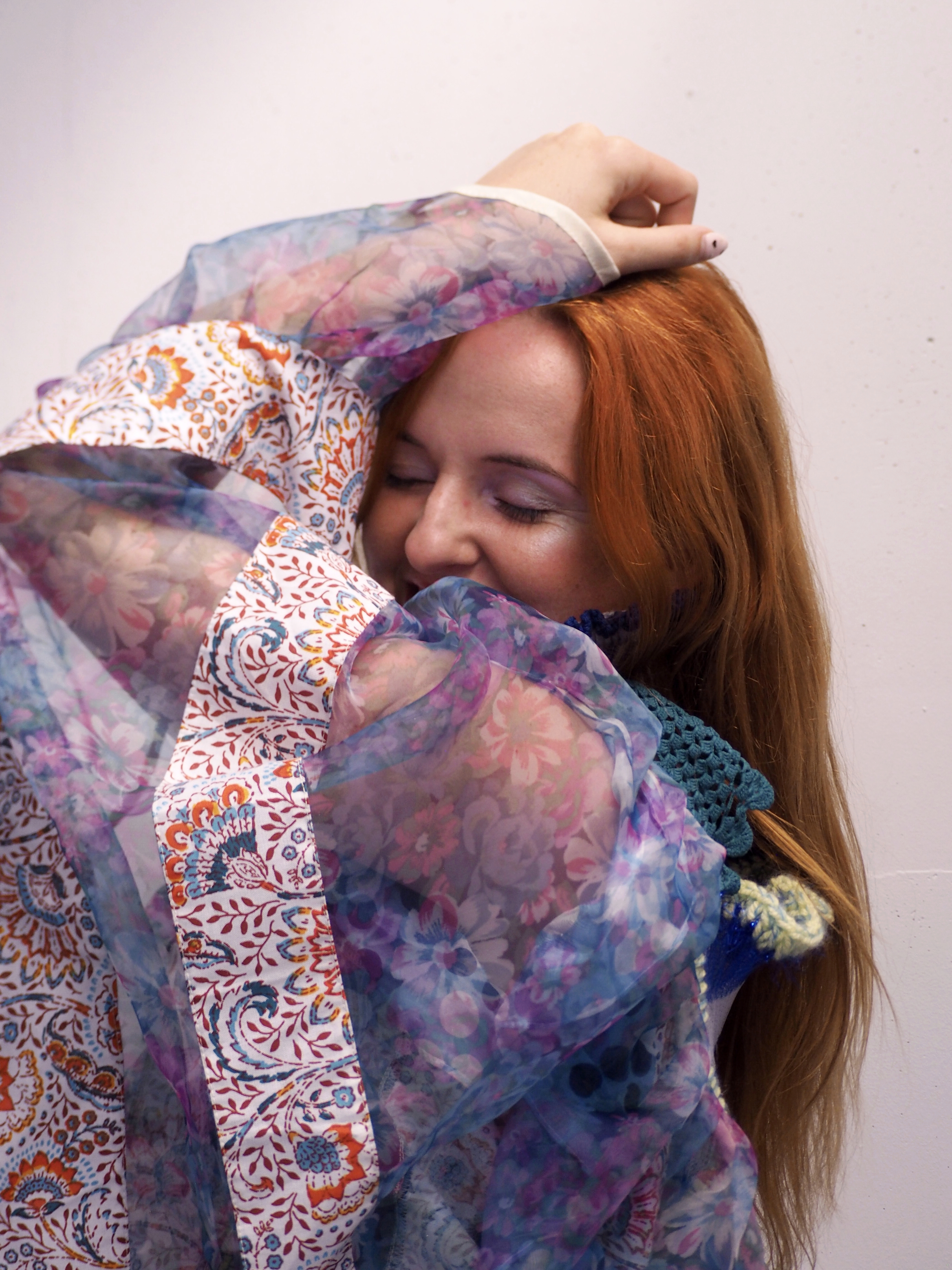
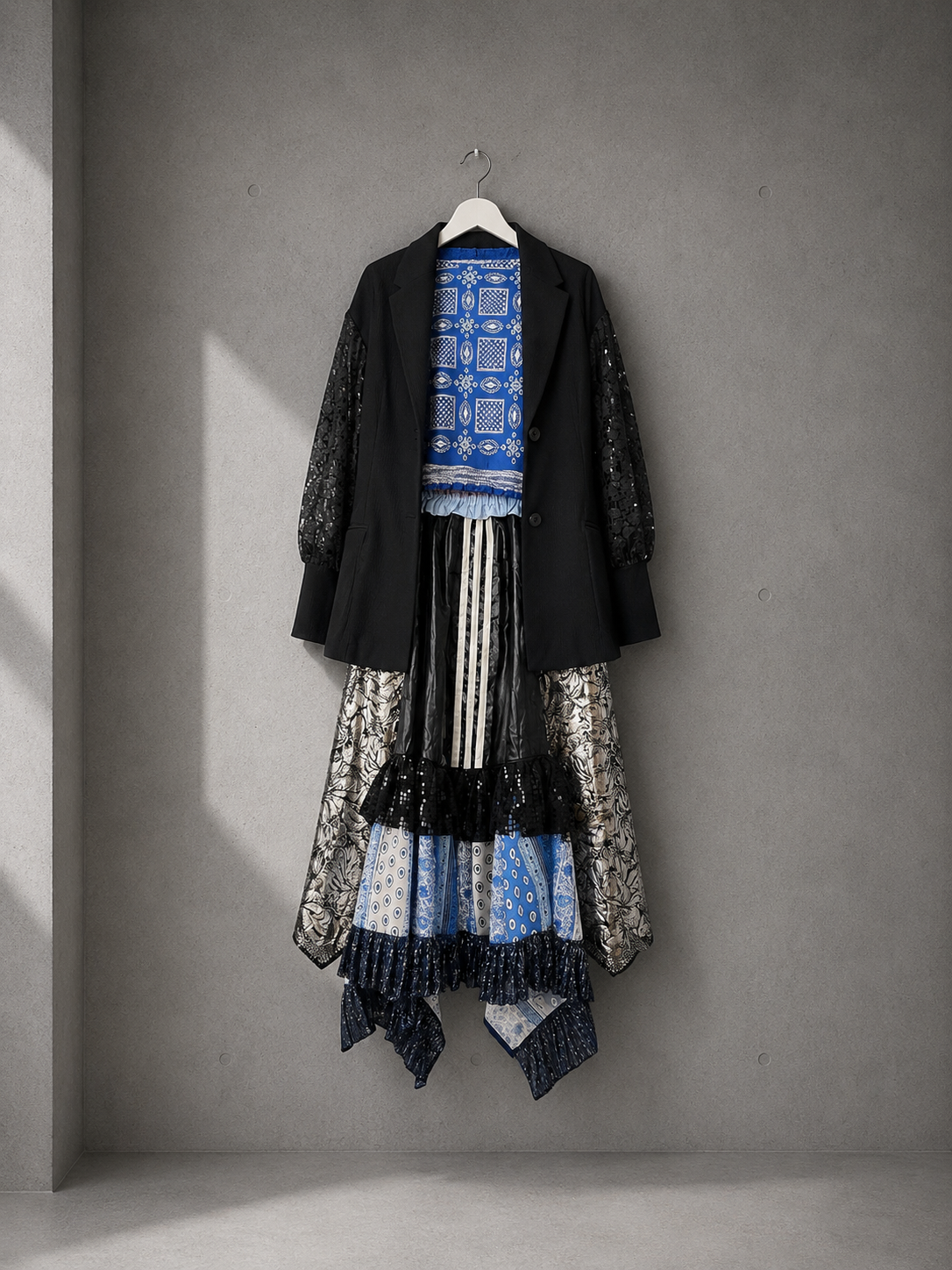
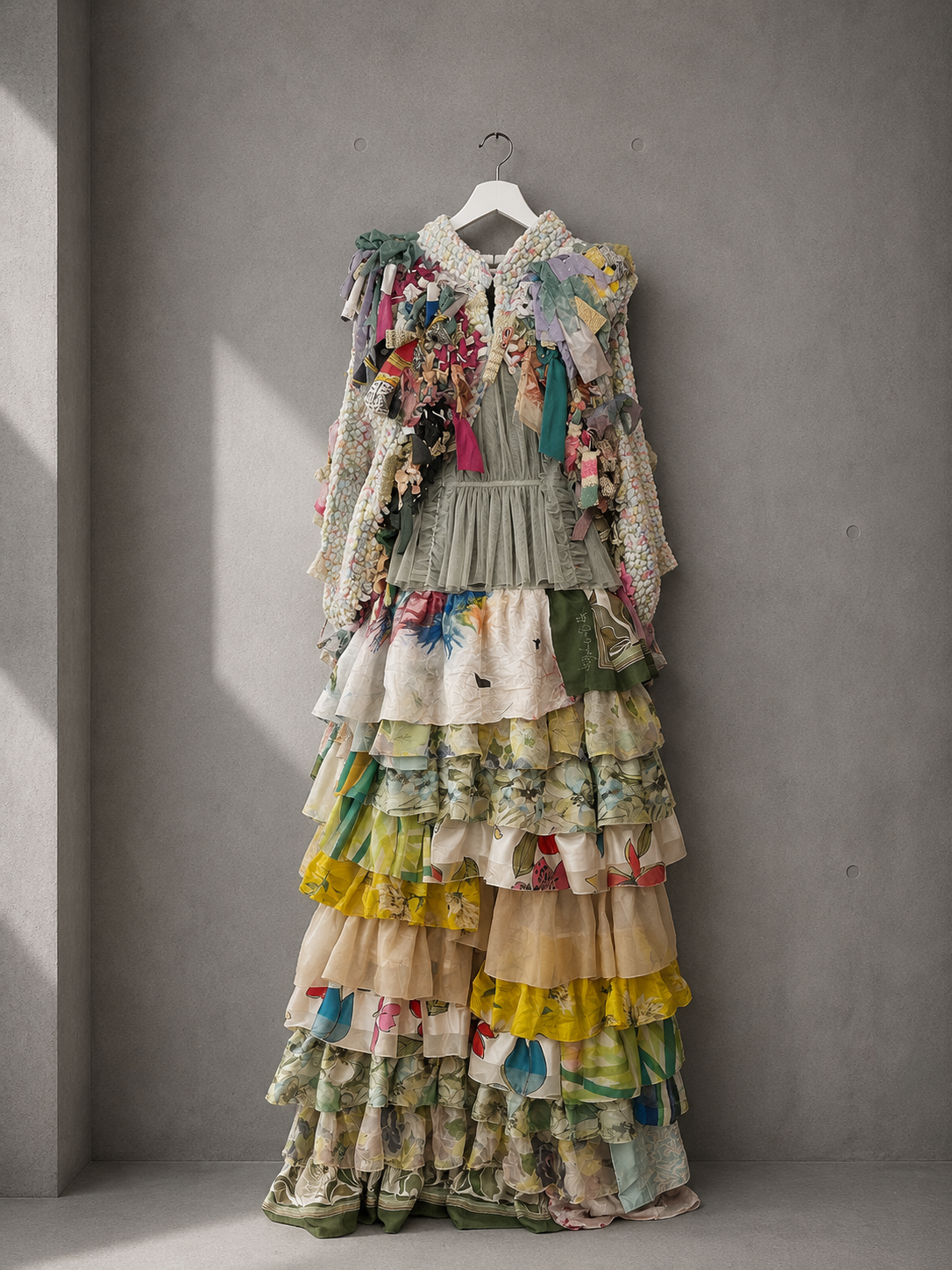
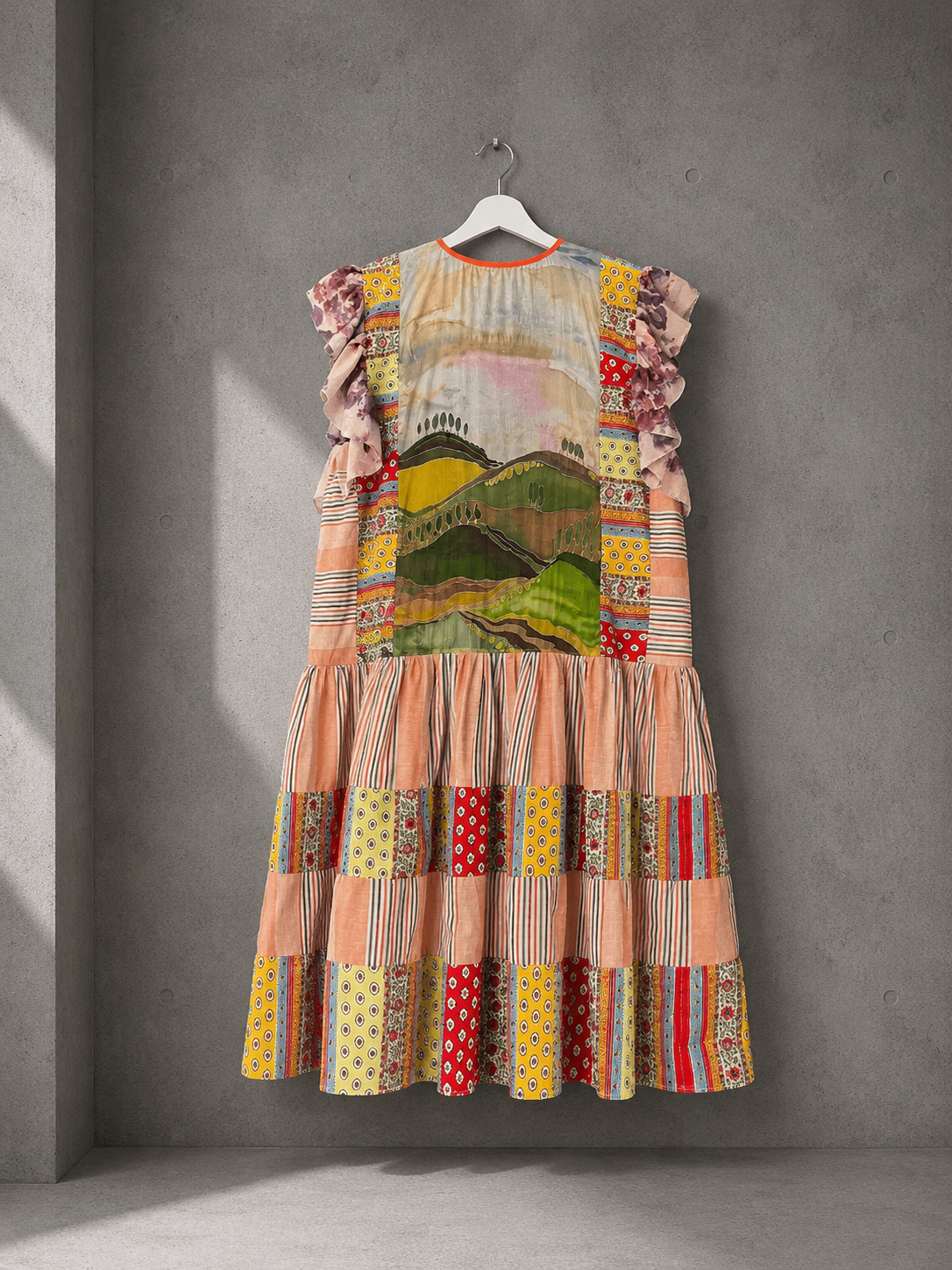
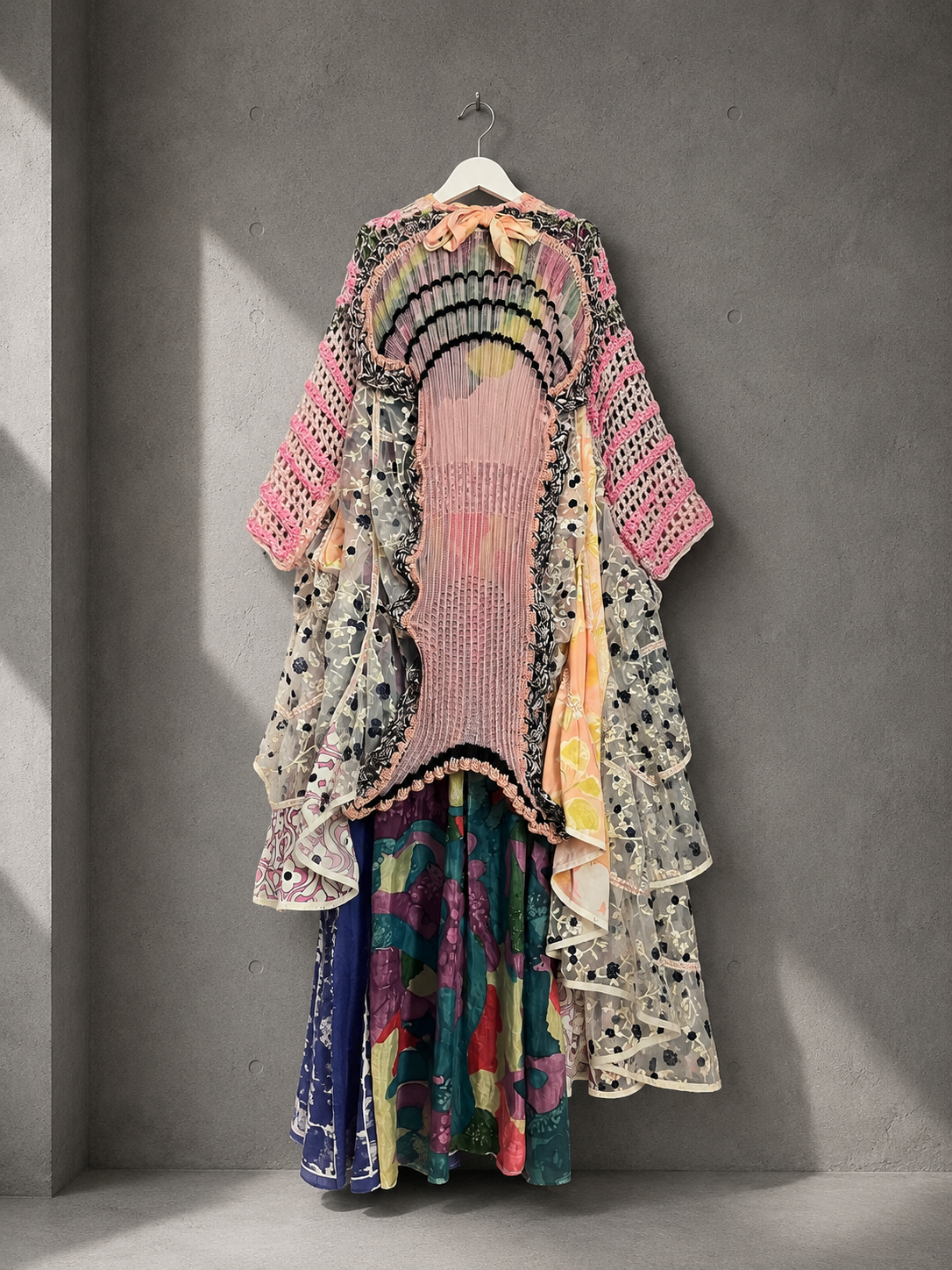
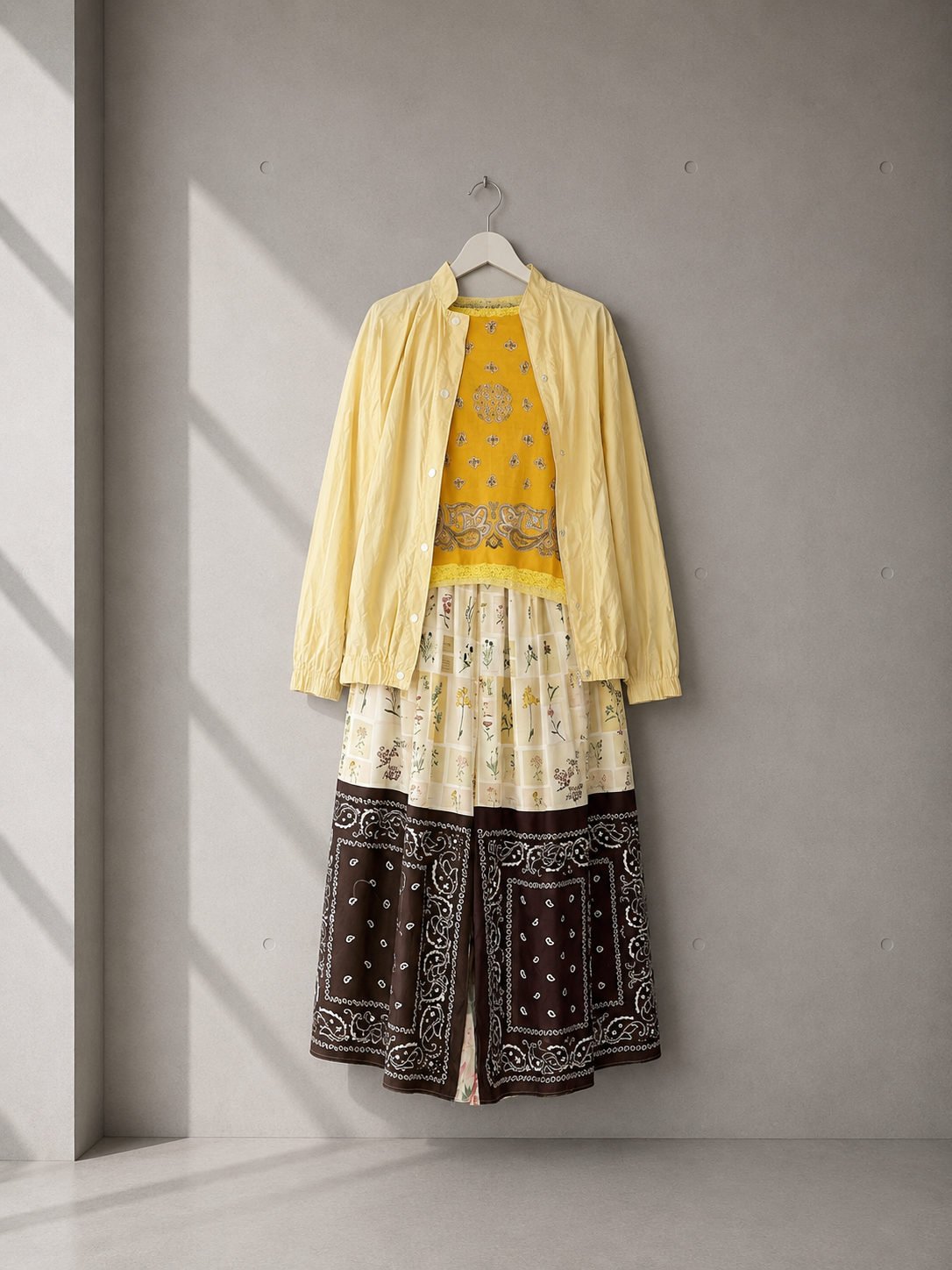
Created alongside Mercure Soufre Sel and Clémence Veilhan, the exhibition explored the emotional dimensions of clothing and questioned the way garments accompany us throughout our lives.
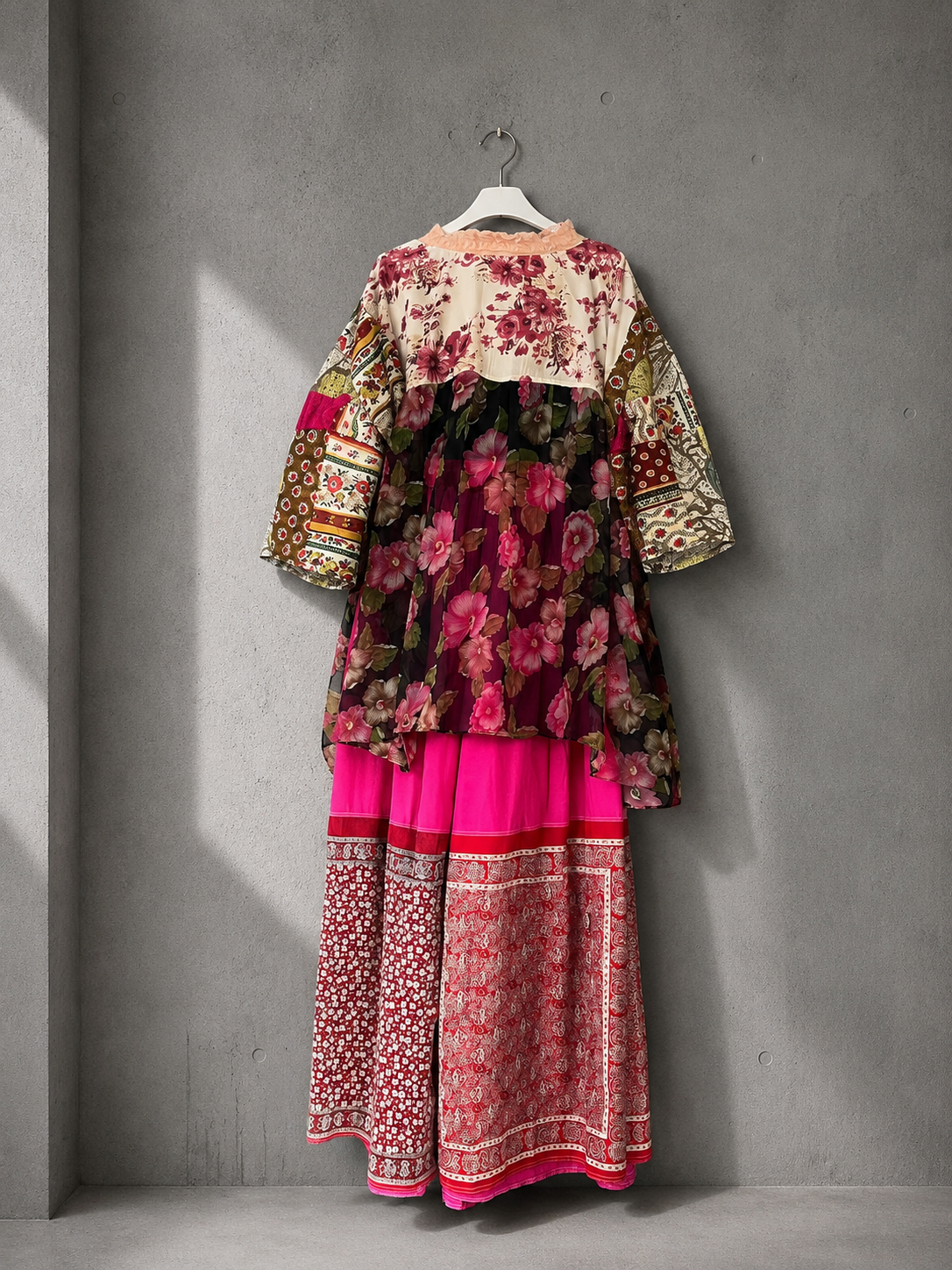
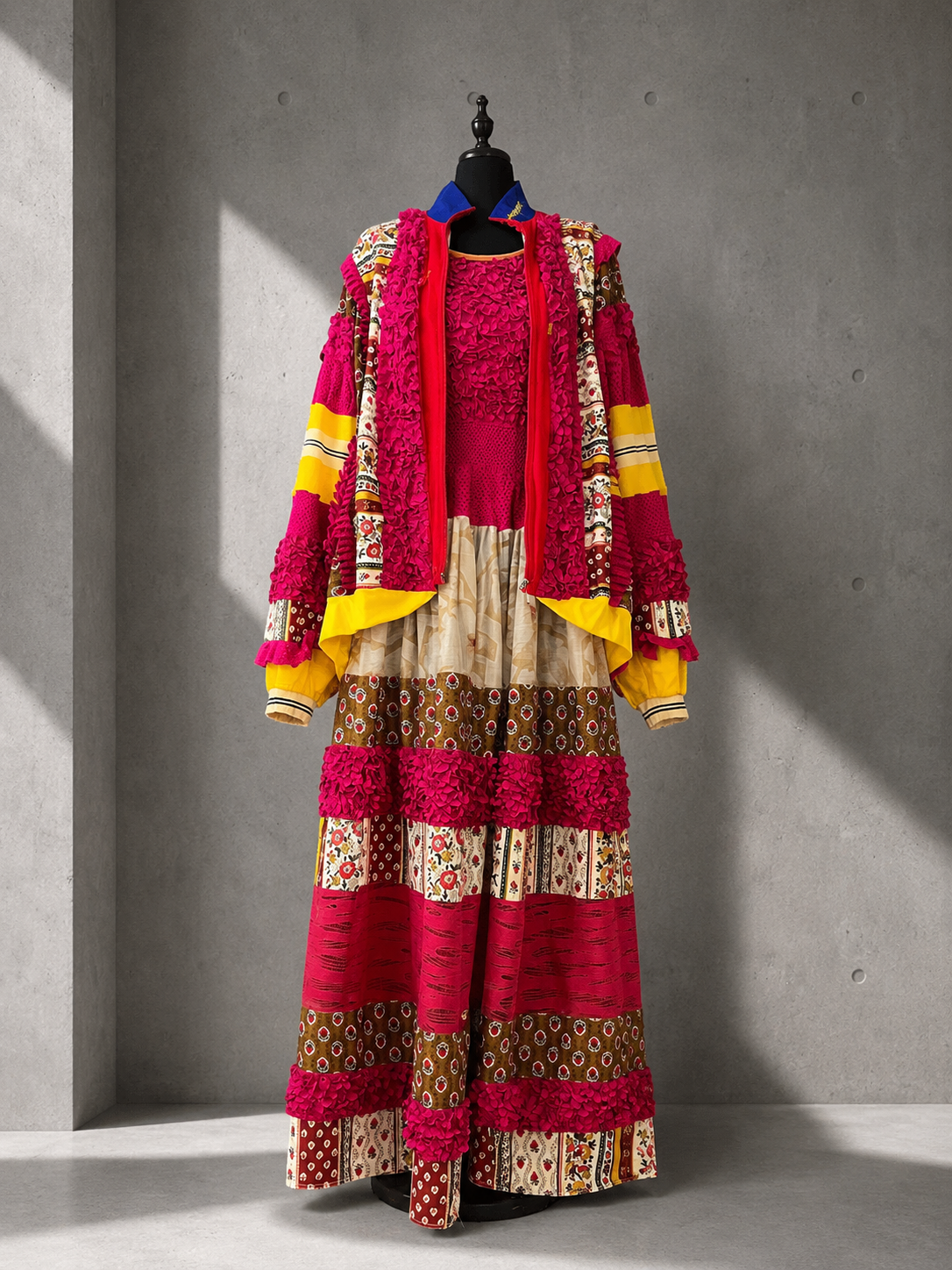
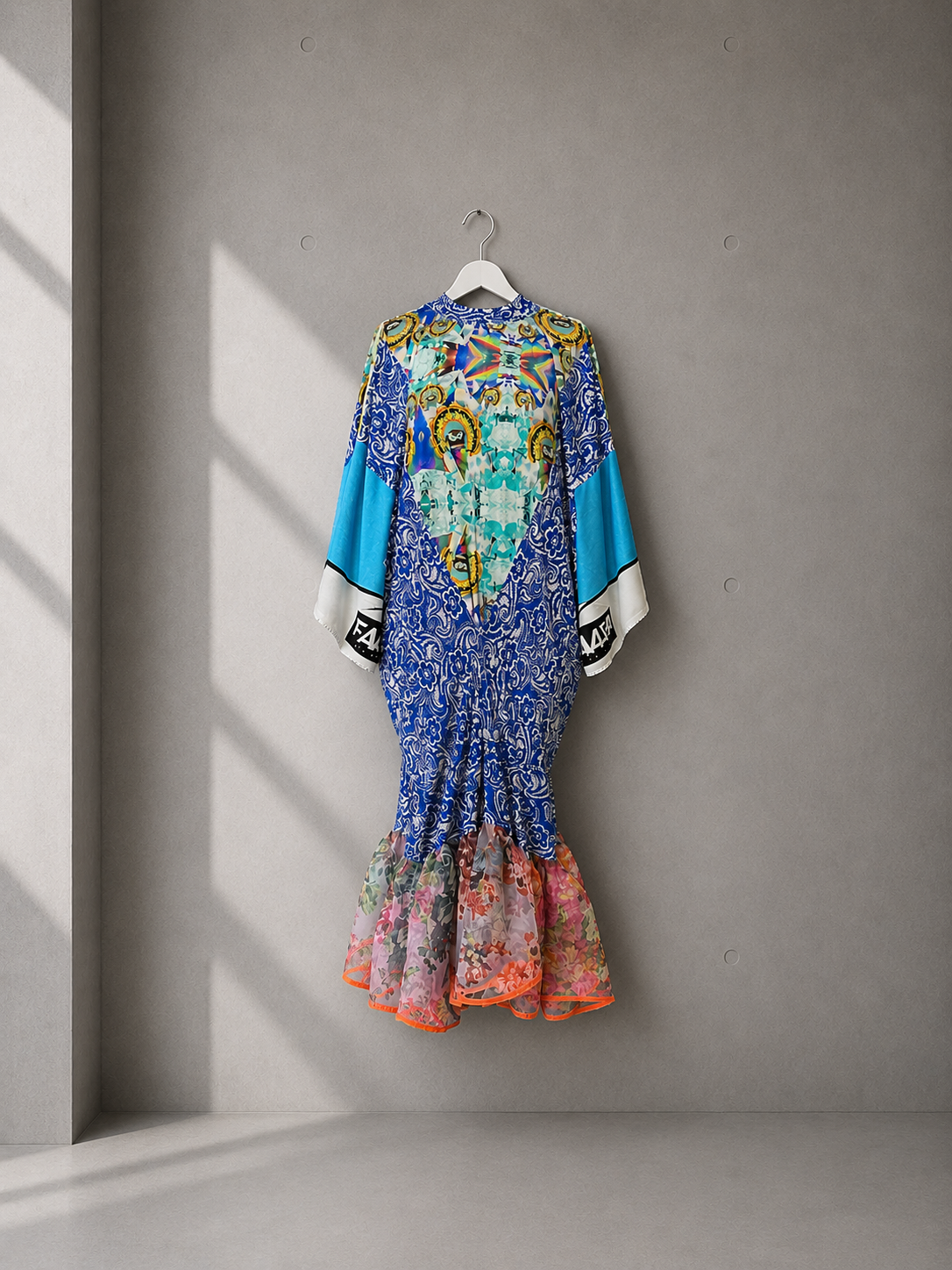
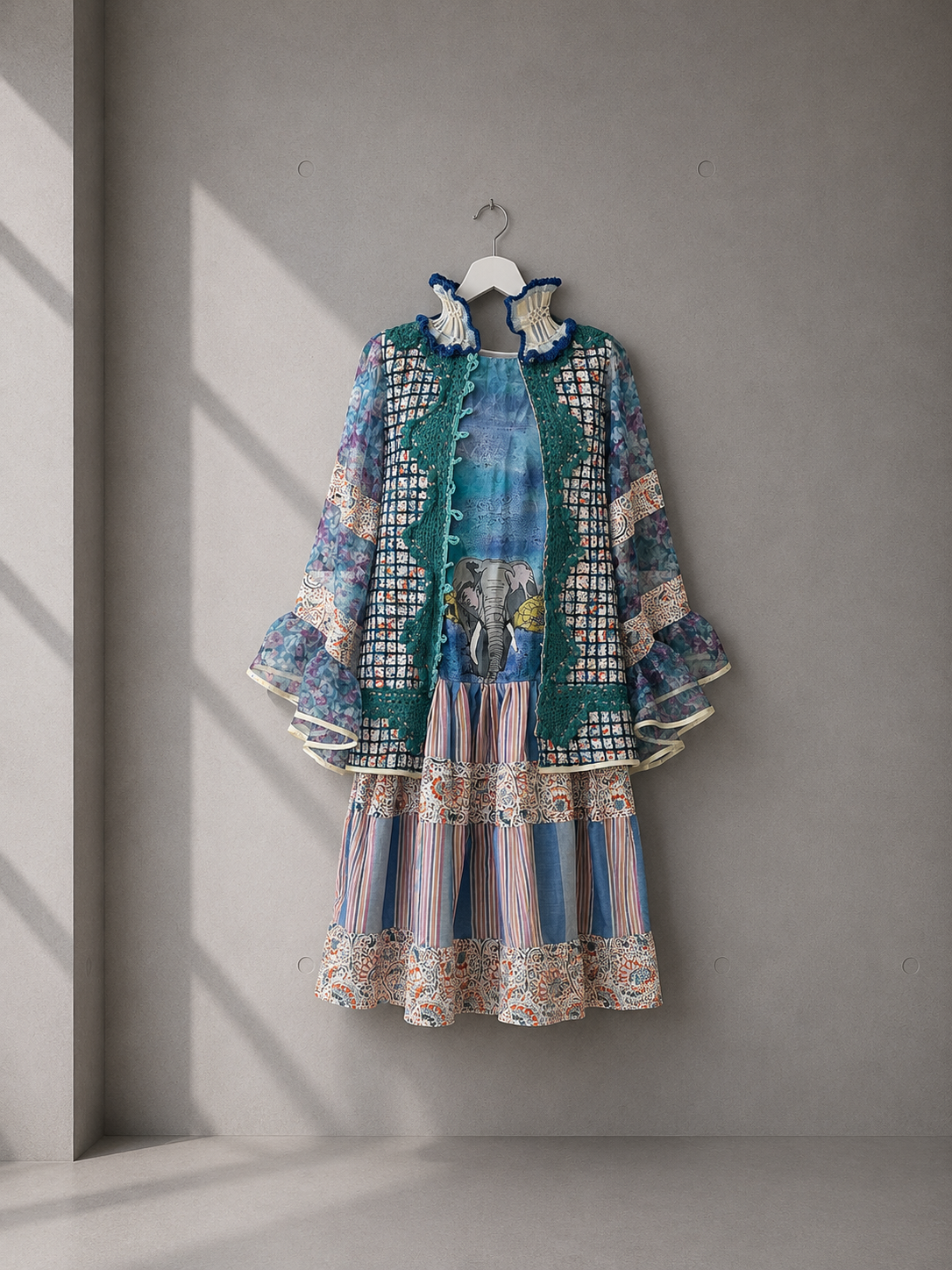
Rather than focusing solely on sustainability through materials, the exhibition proposed another perspective: perhaps the most sustainable garment is the one we keep, repair, love and continue to wear.
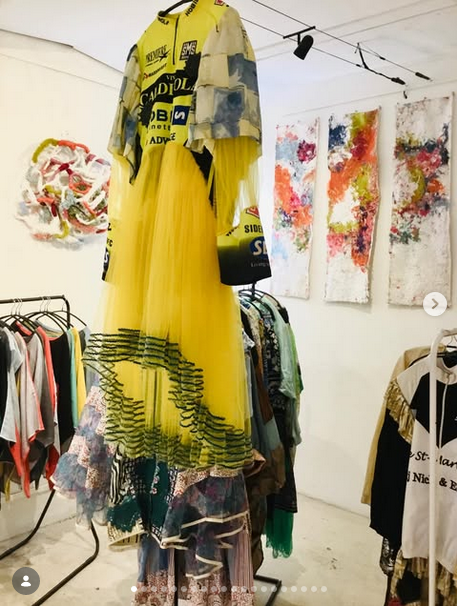
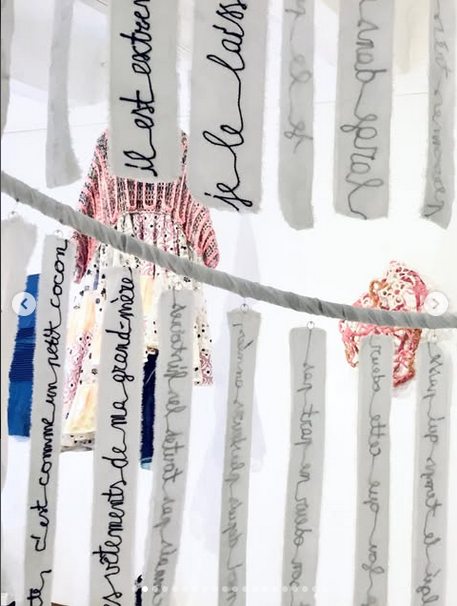
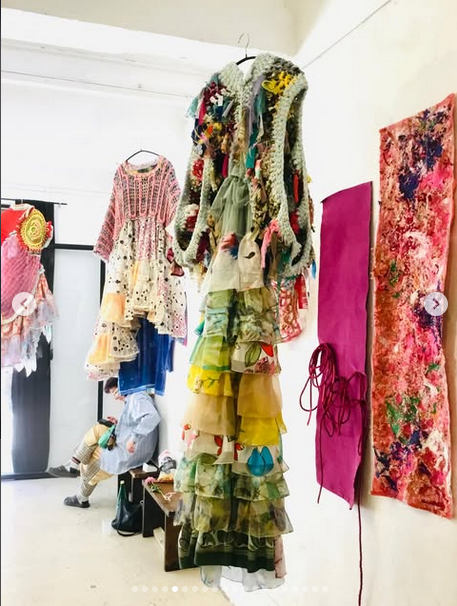
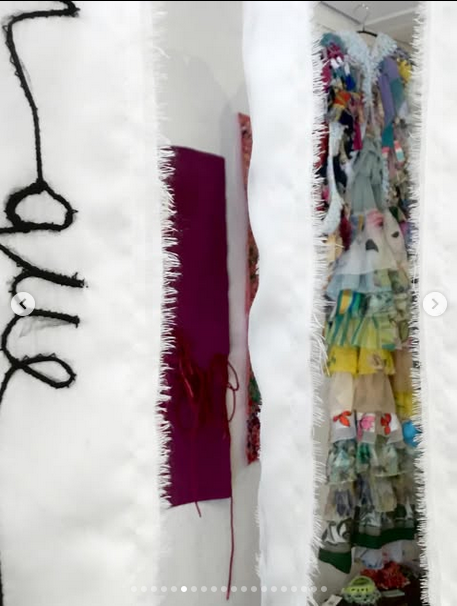
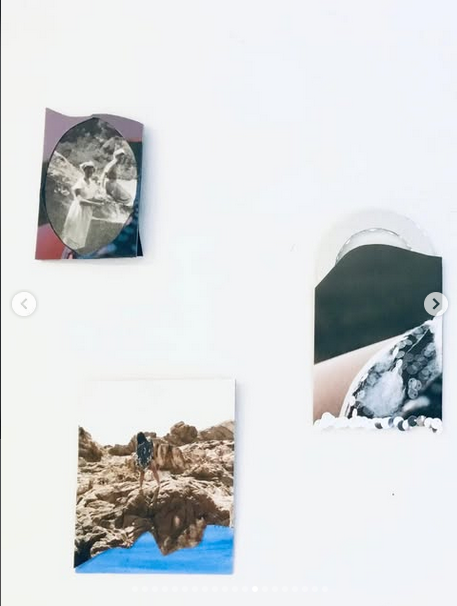
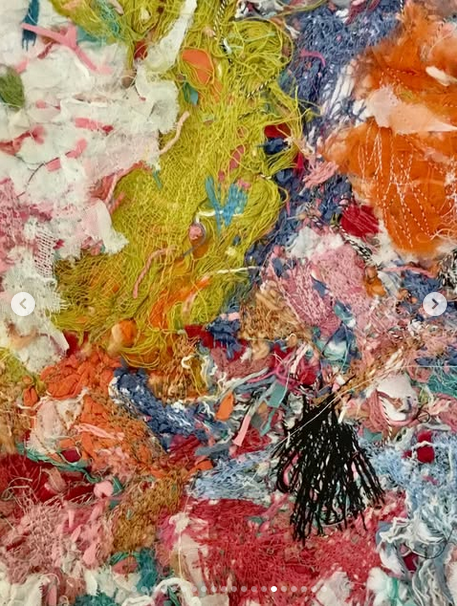
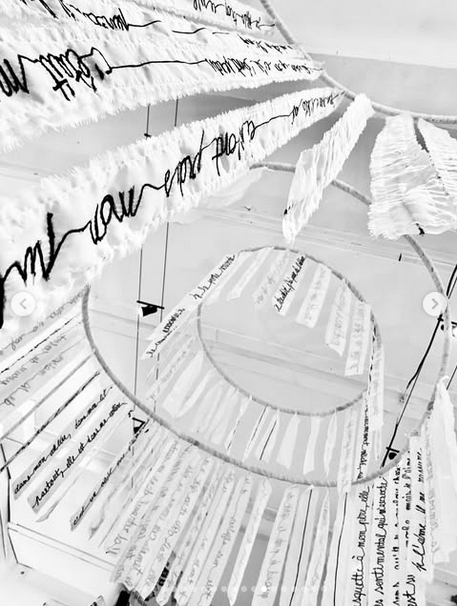
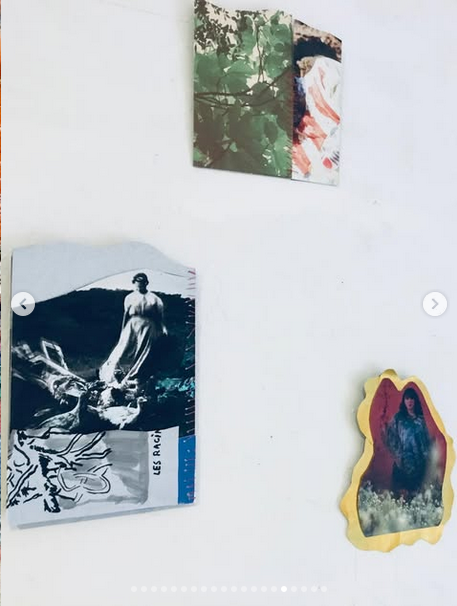
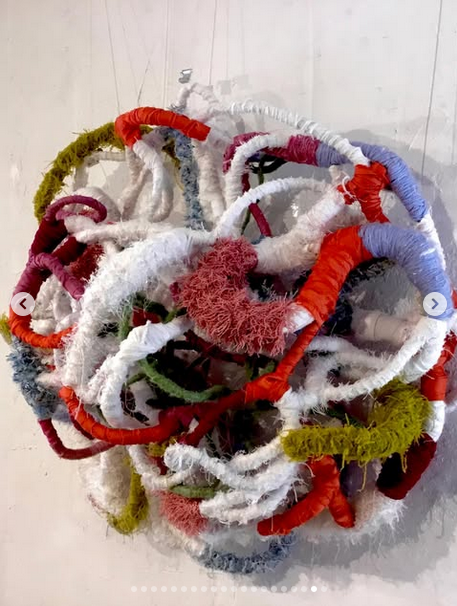
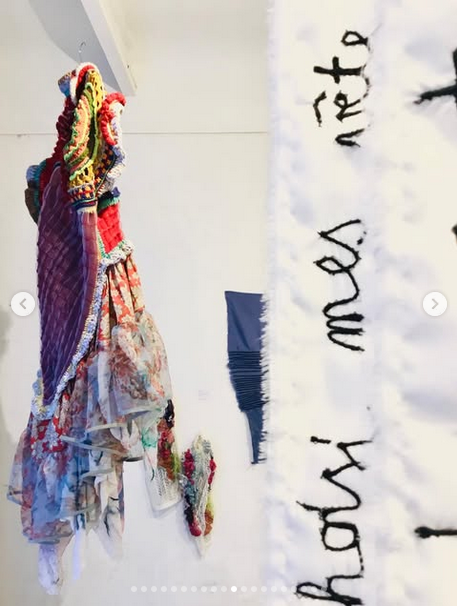
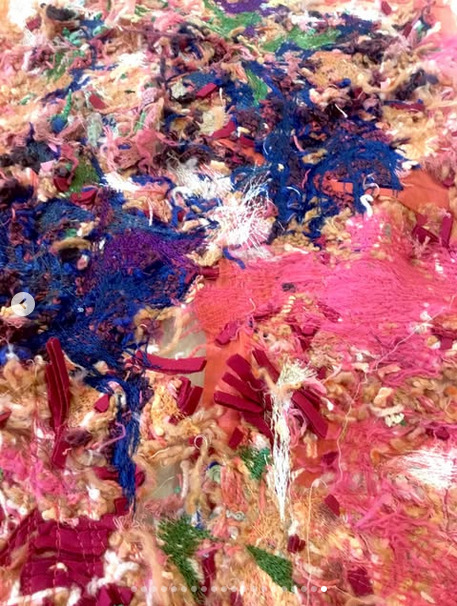
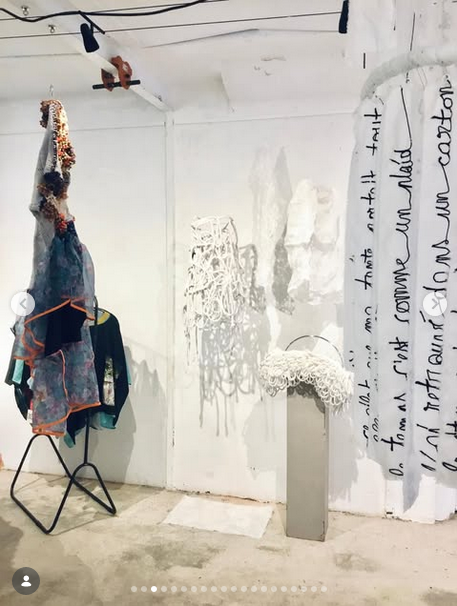
Visitors were invited to discover garments, installations and conversations that reflected on memory, attachment, color and transformation.
The exhibition also created a space for encounters. Throughout the week, visitors gathered to exchange stories and experiences, transforming the exhibition into a living environment rather than a static display.
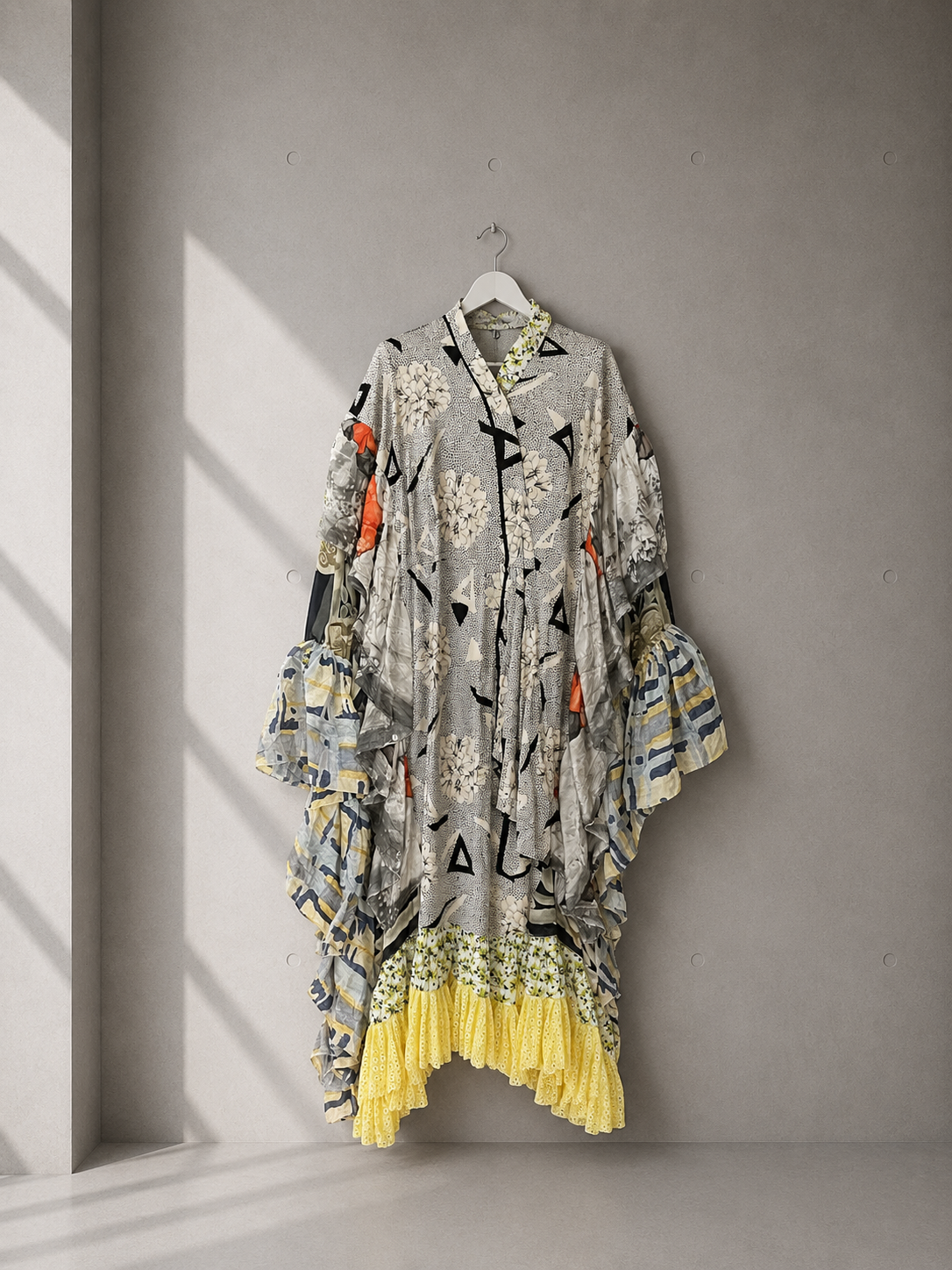
For Tata Christiane, whose work has always been built around upcycled materials, reconstructed garments and emotional storytelling, the project felt like a natural extension of nearly two decades of practice.
Les V Visions at FRAC Sud
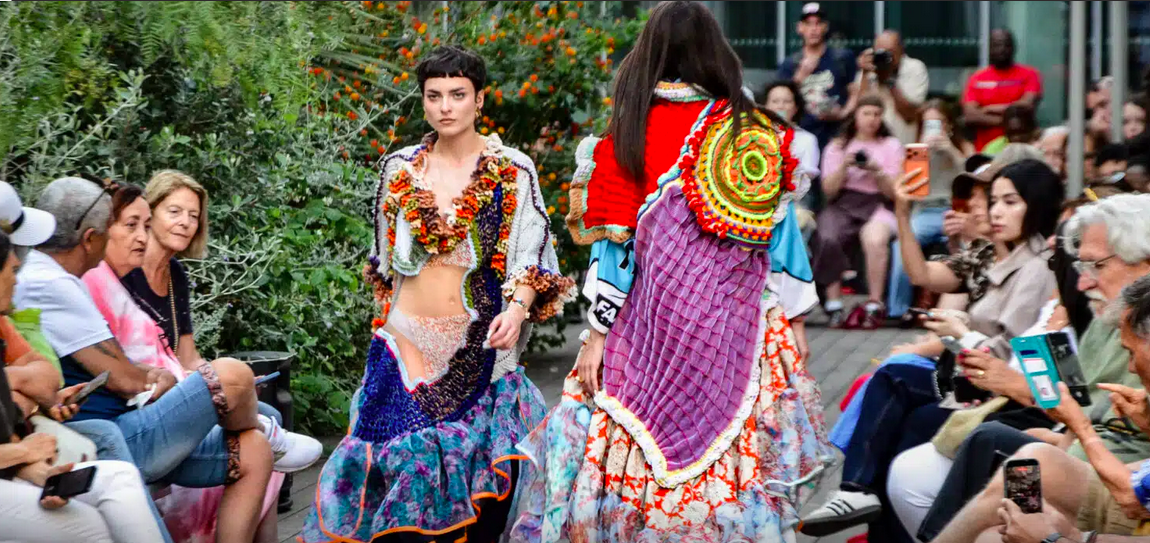
One of the most anticipated moments of the week took place on June 9 at FRAC Sud, where the collective fashion show Les V Visions brought together a new generation of designers working at the intersection of fashion, art and sustainability.
The presentation featured collections by Tata Christiane, Mamuz, Needless, Kiss Die and Atalaya.
Set within the architecture of FRAC Sud, the runway created a dialogue between contemporary art and contemporary fashion. Each designer presented a distinct approach while sharing common concerns around transformation, reuse and creative freedom.
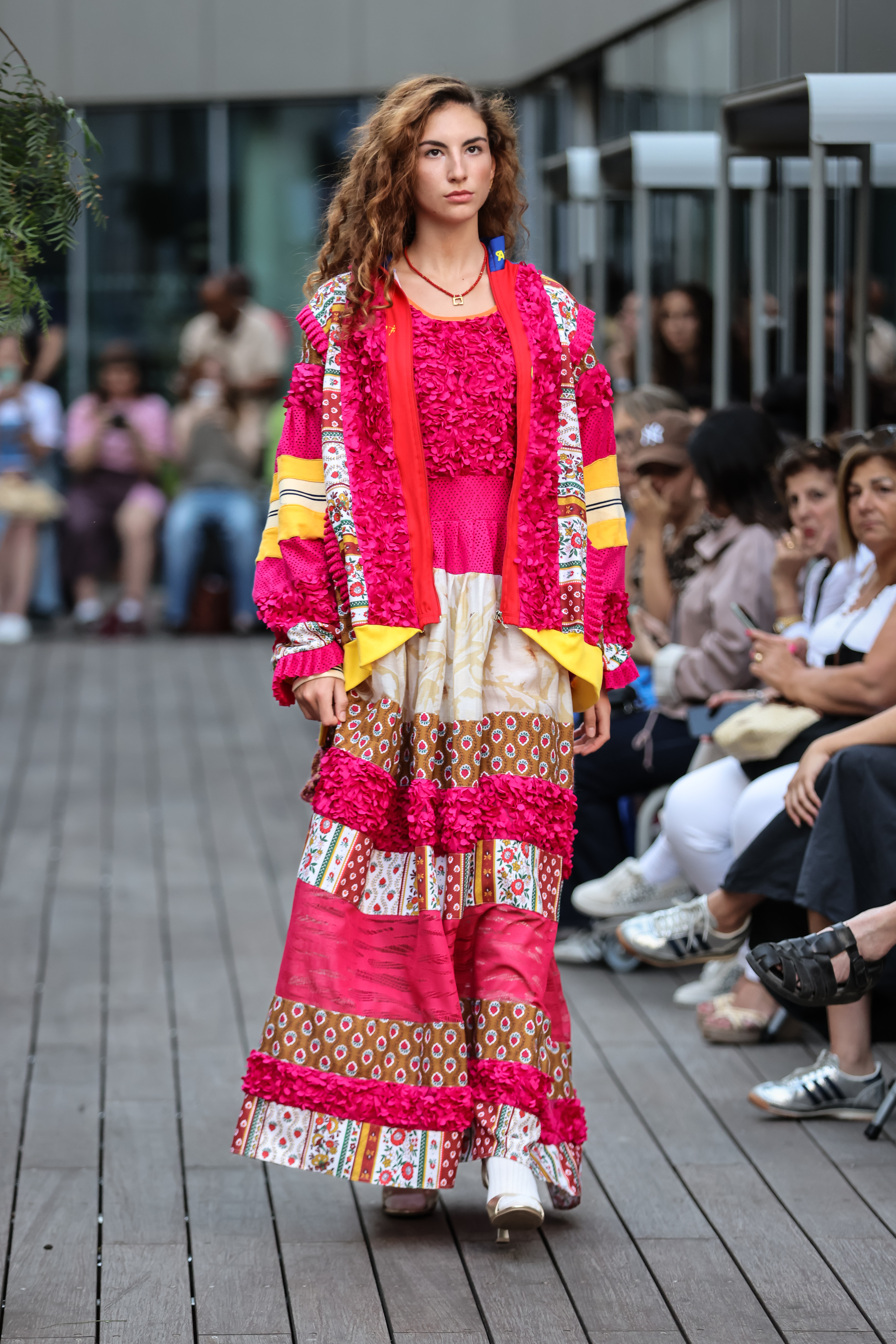
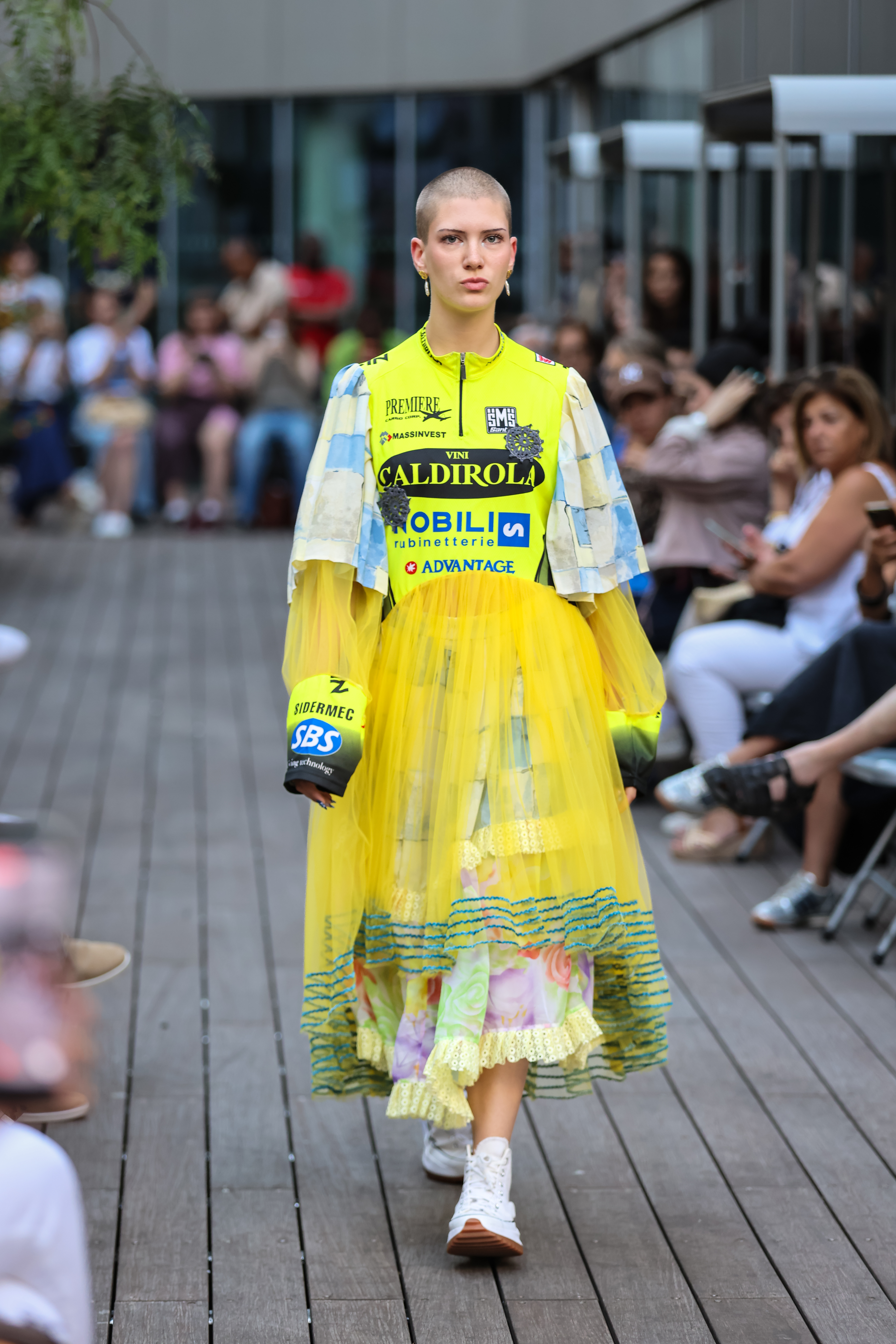
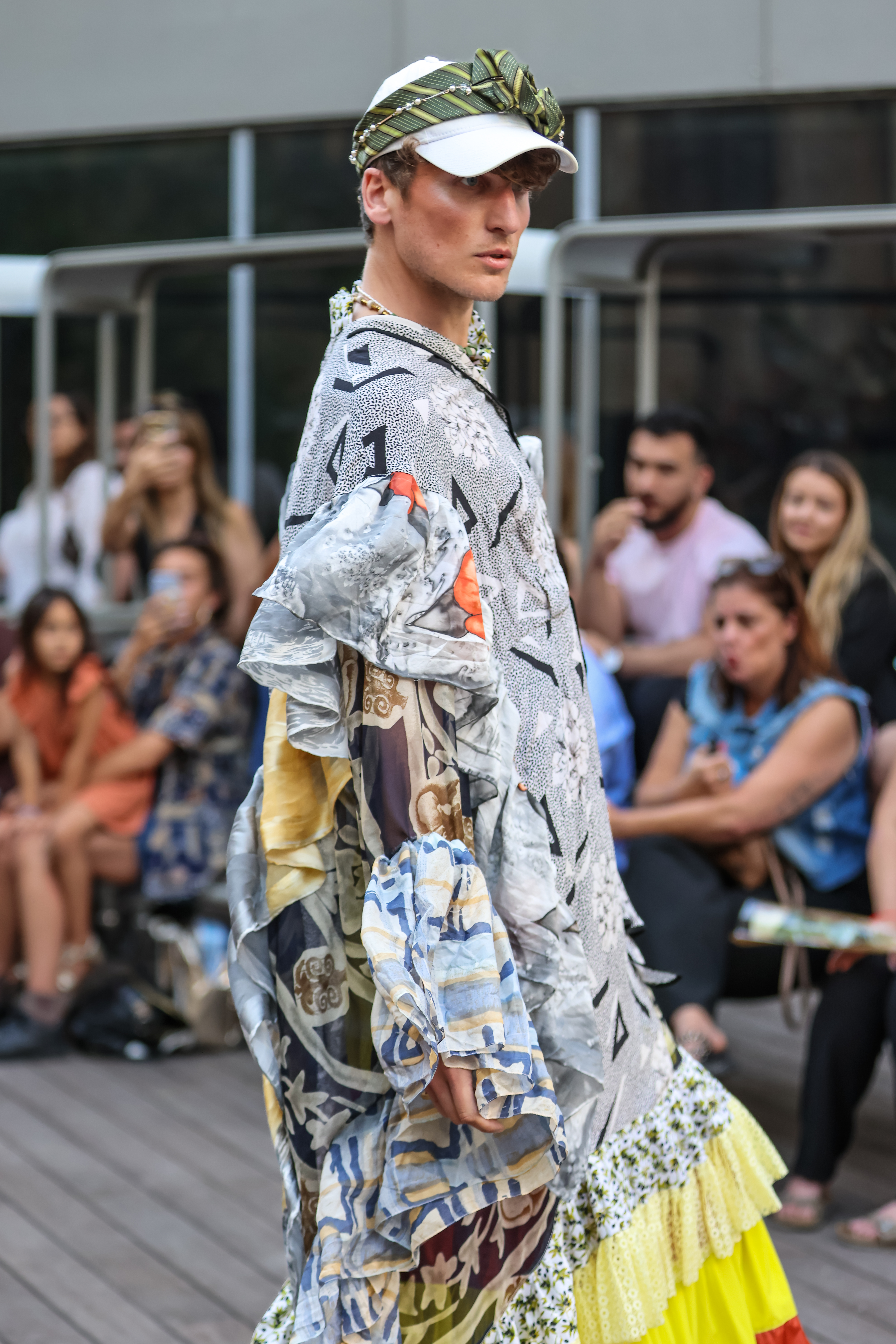
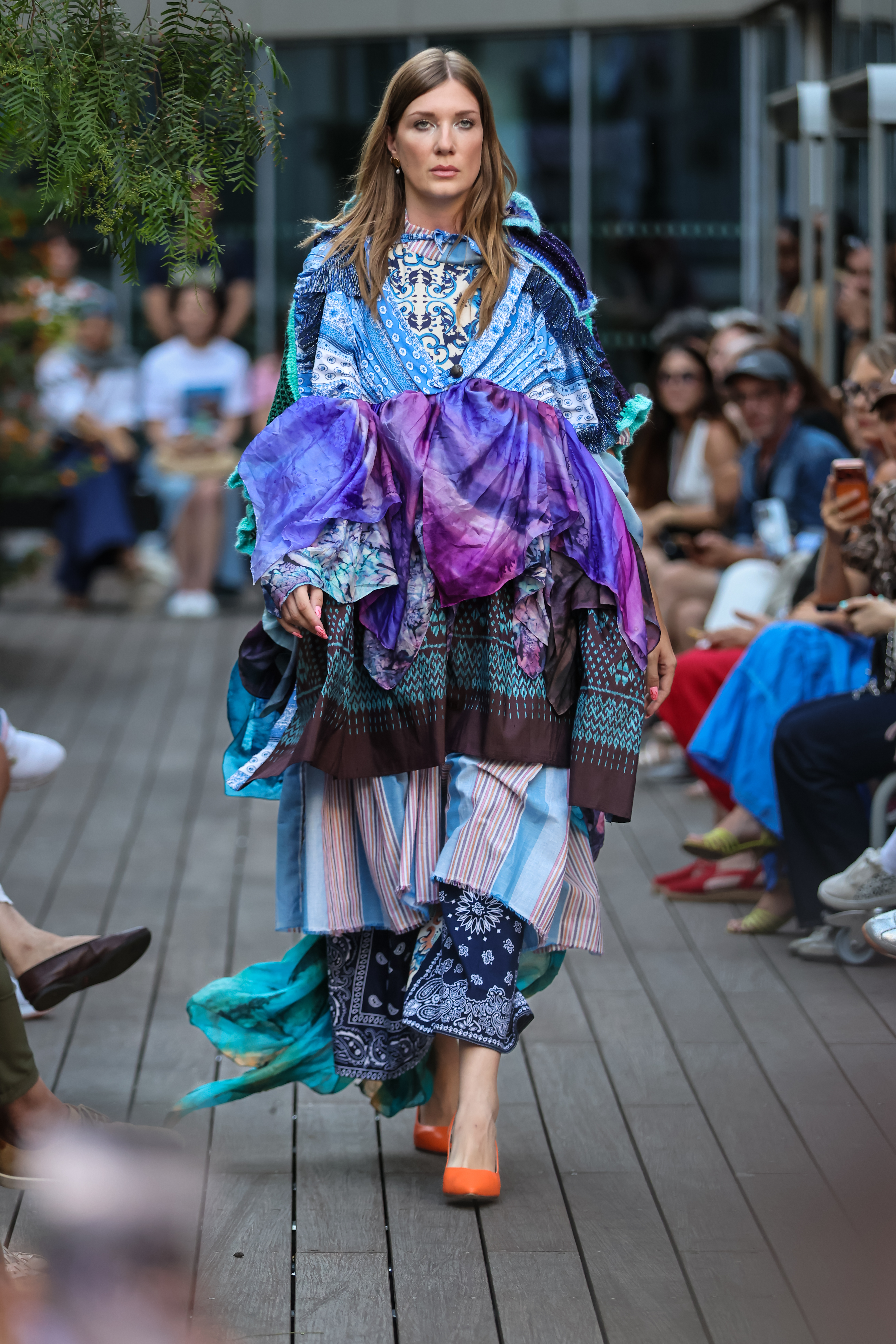
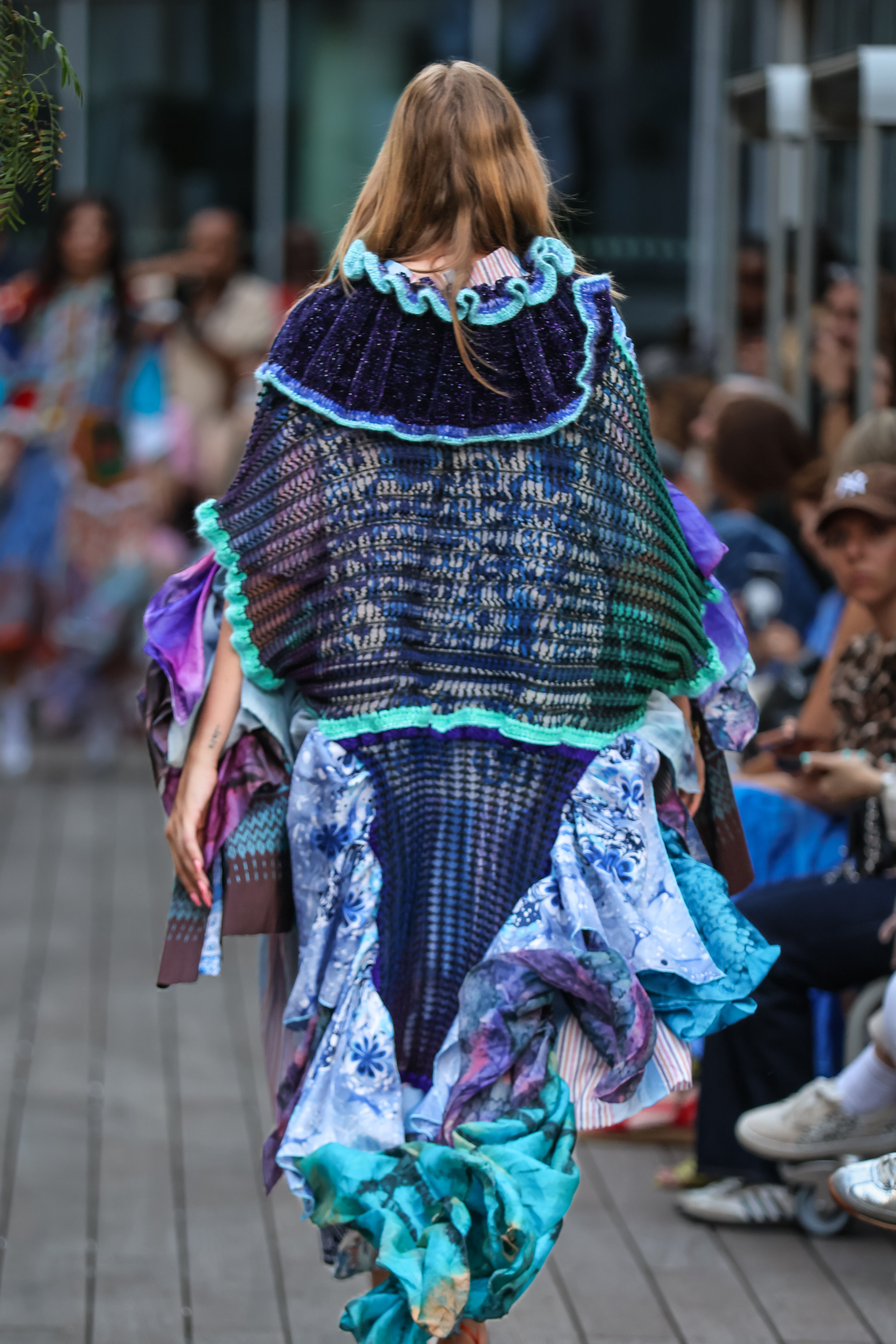
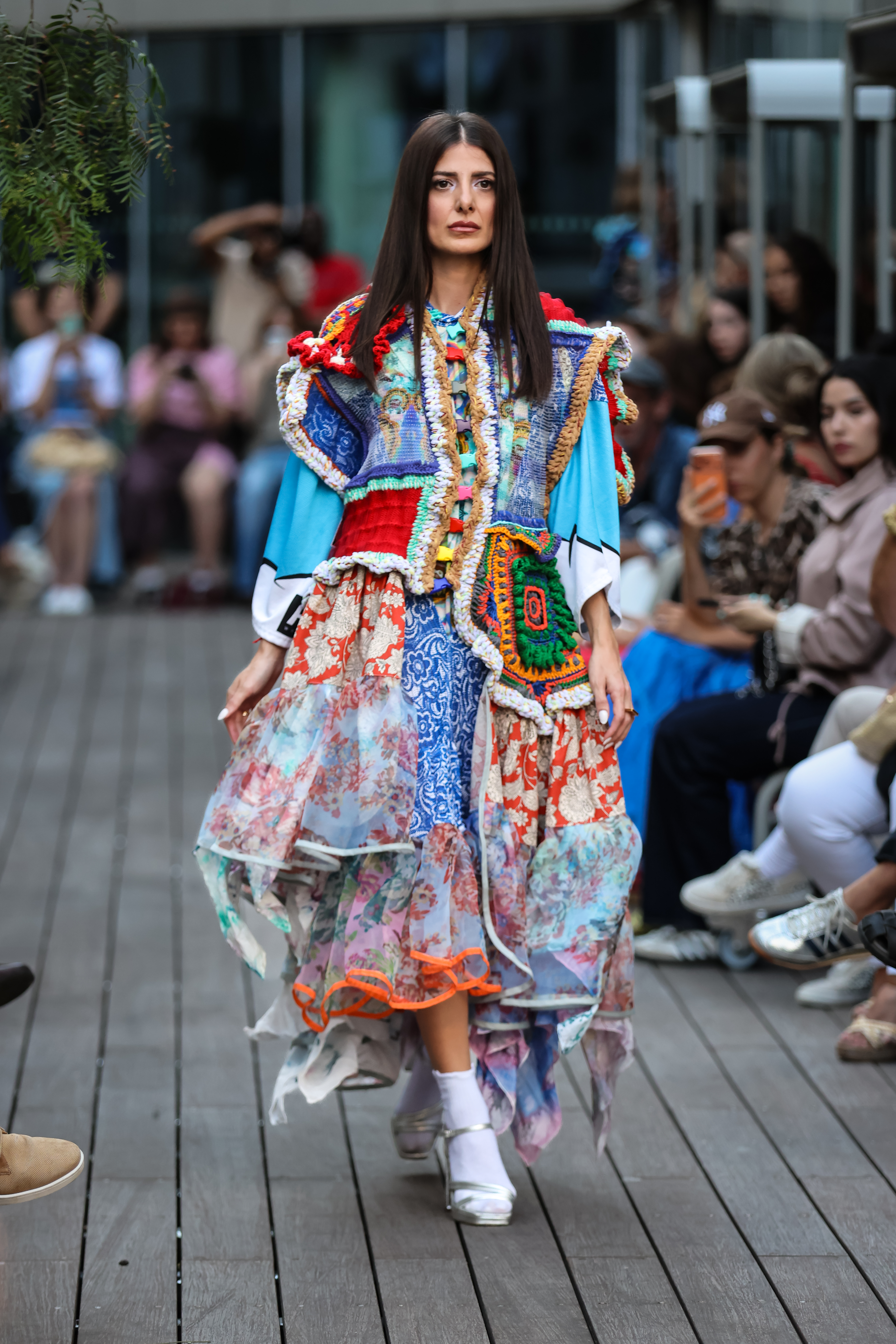
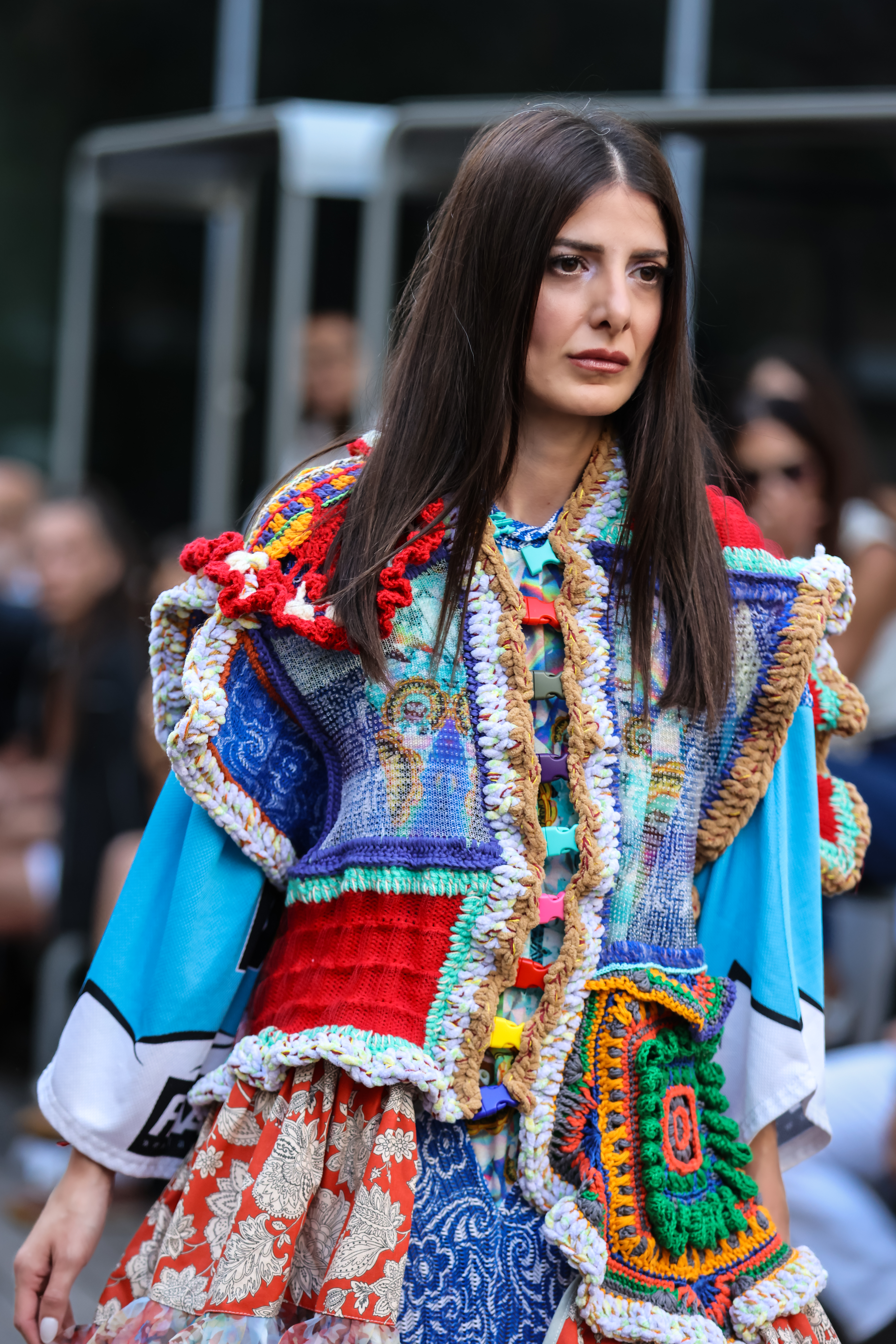
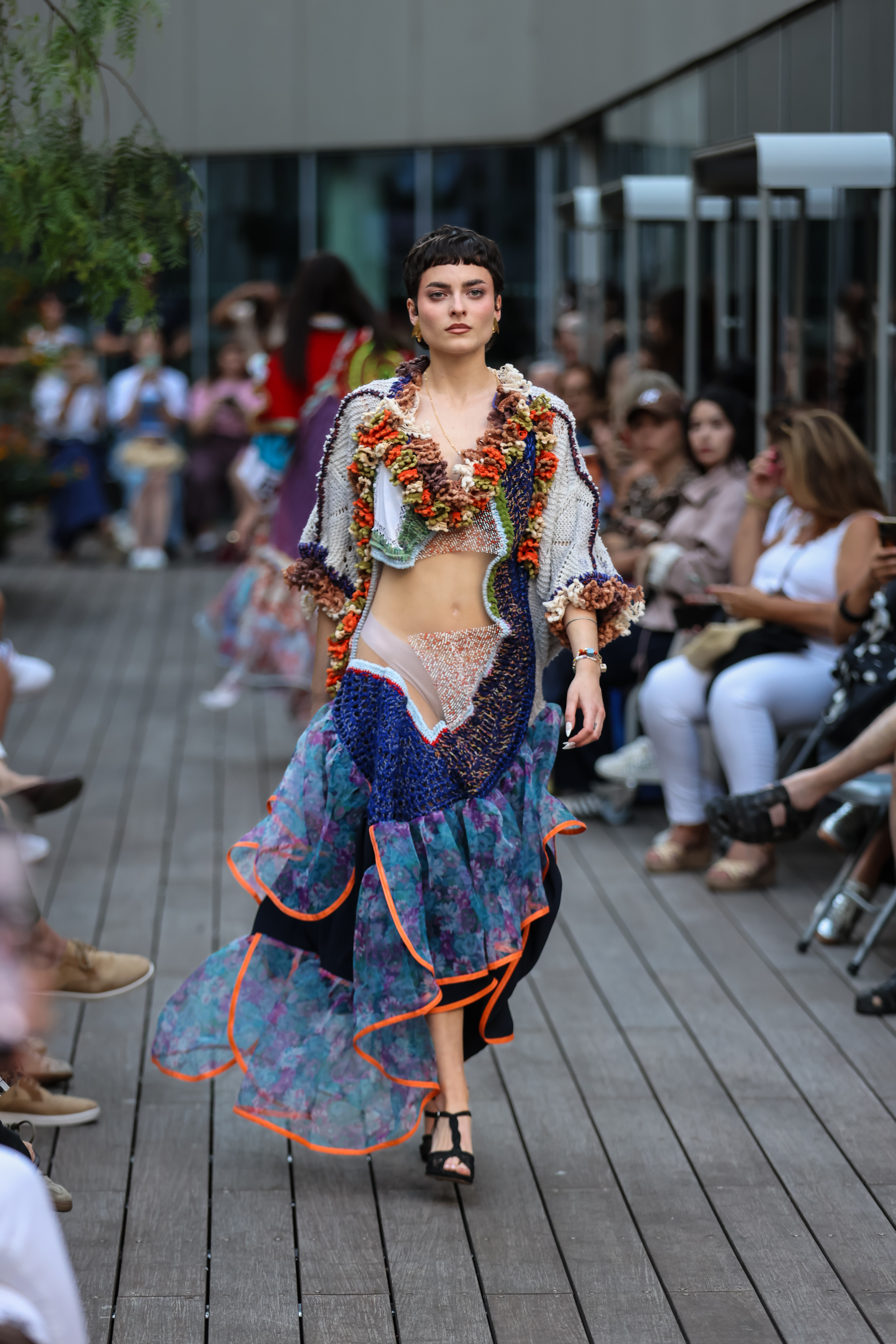
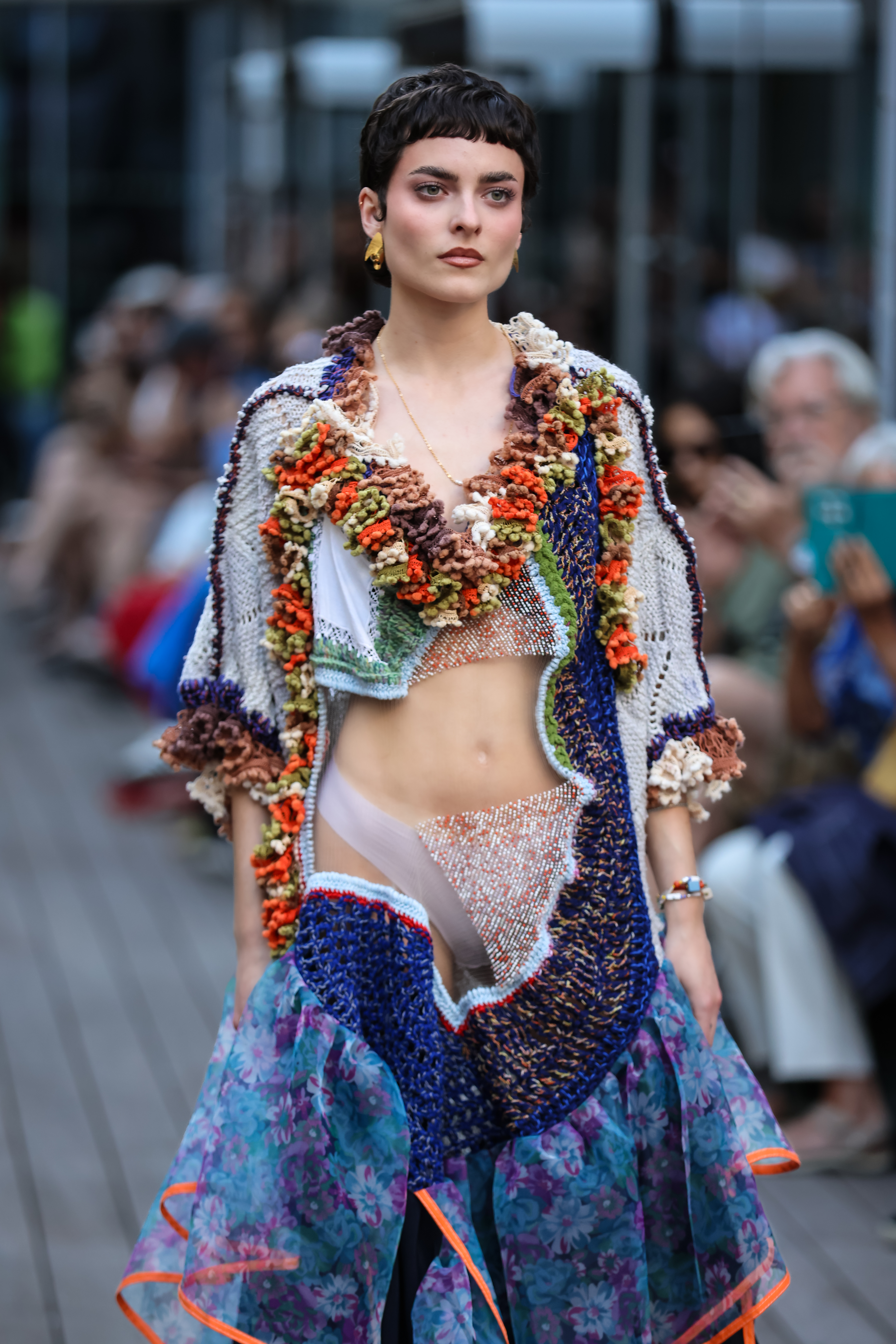
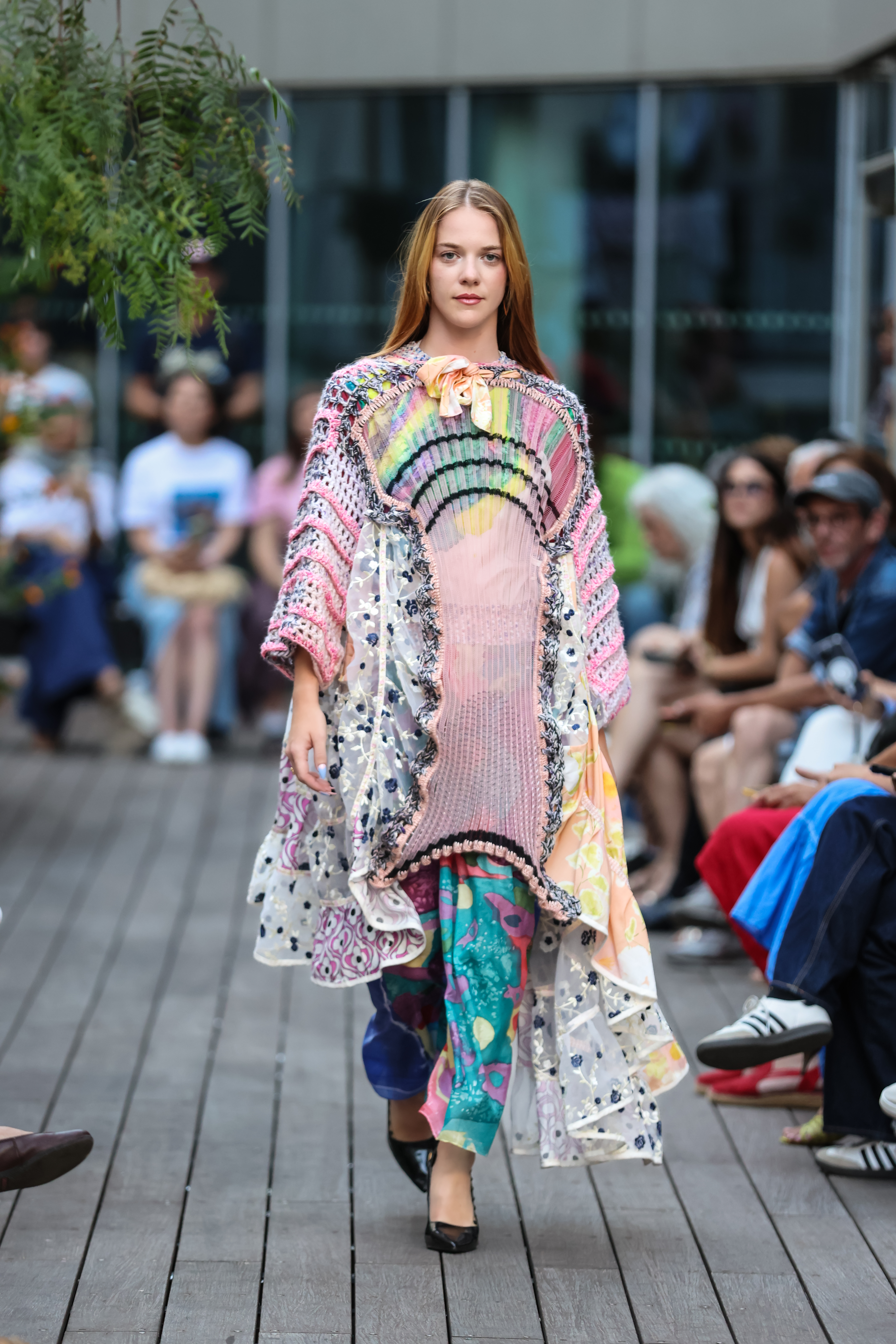
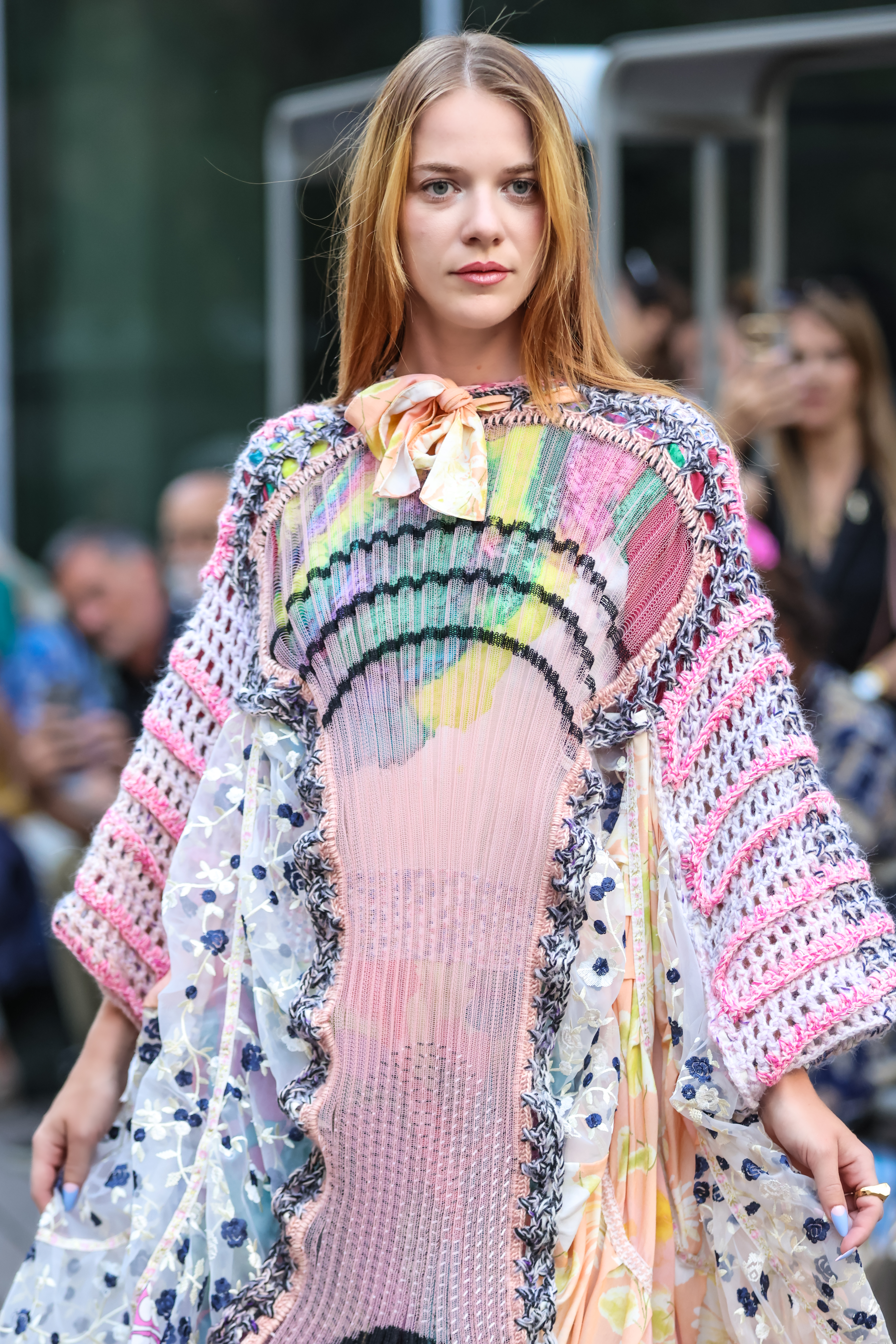
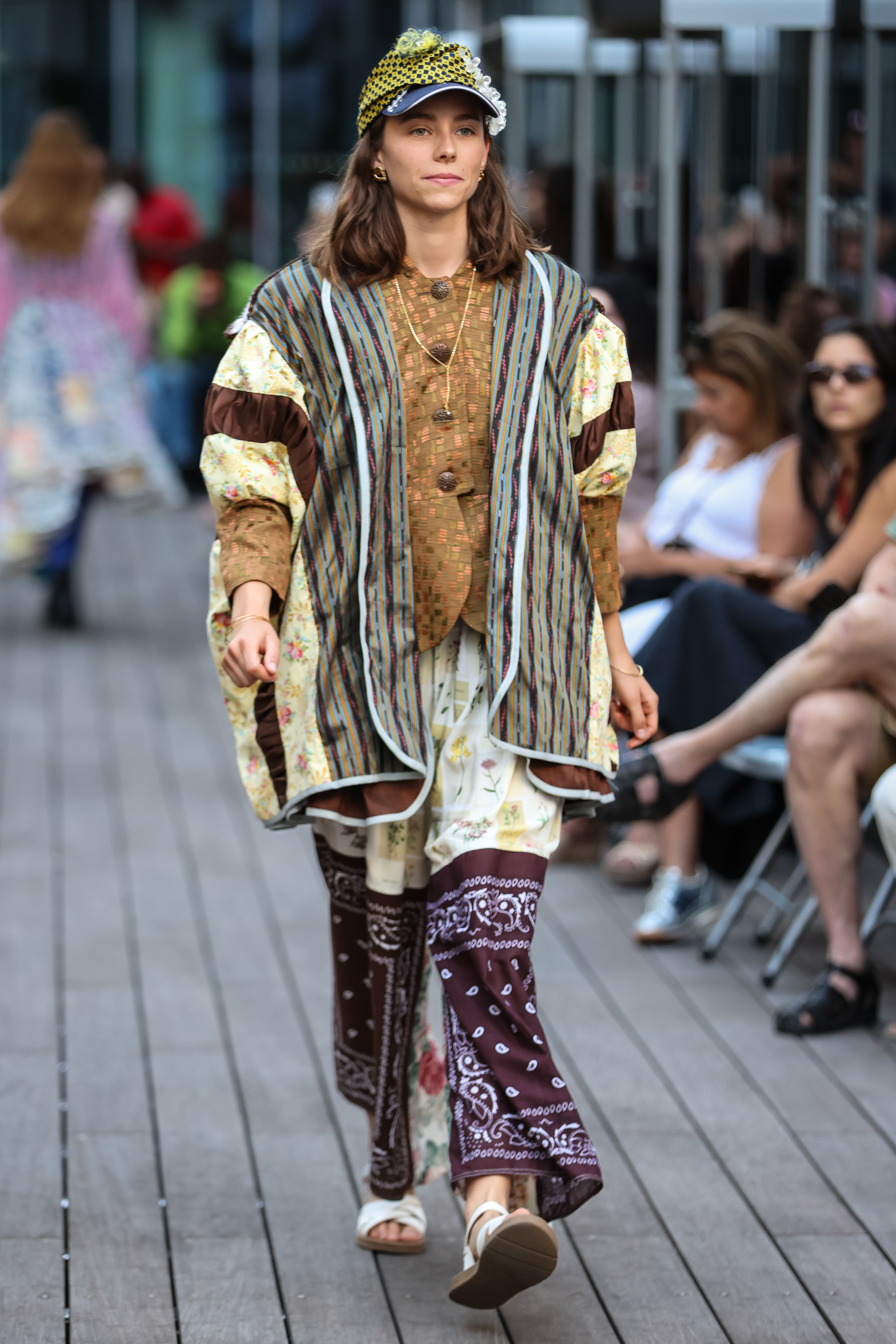
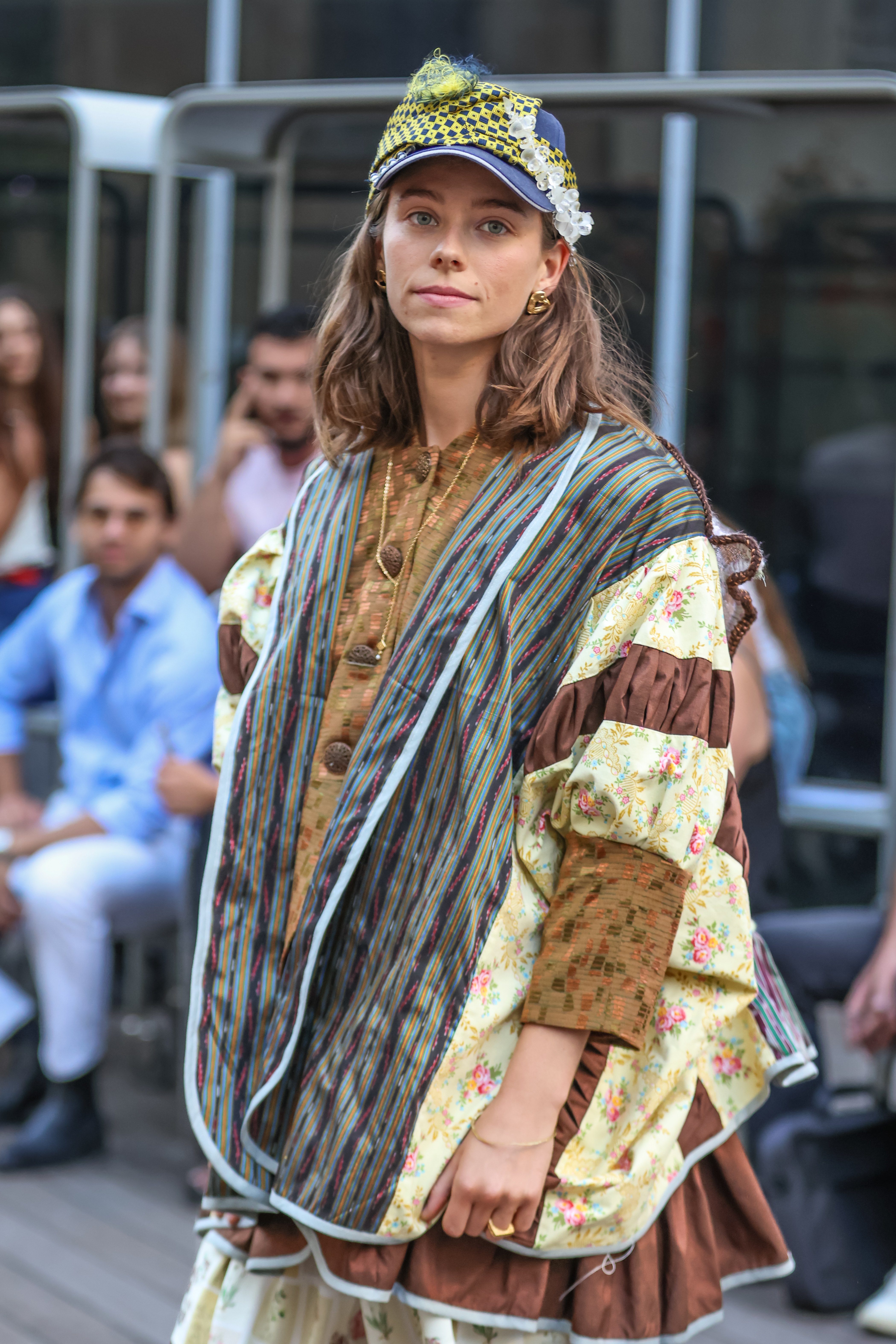
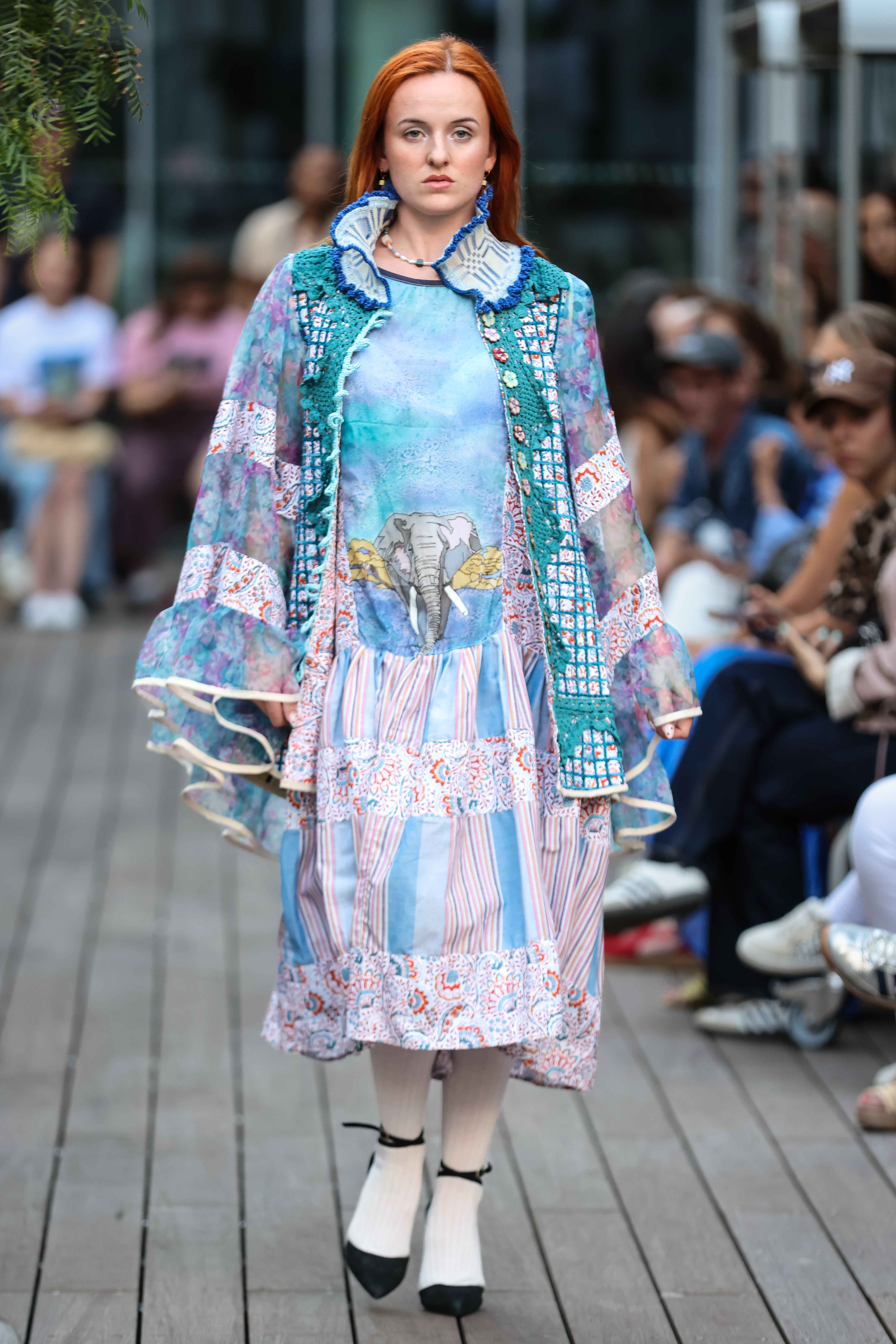
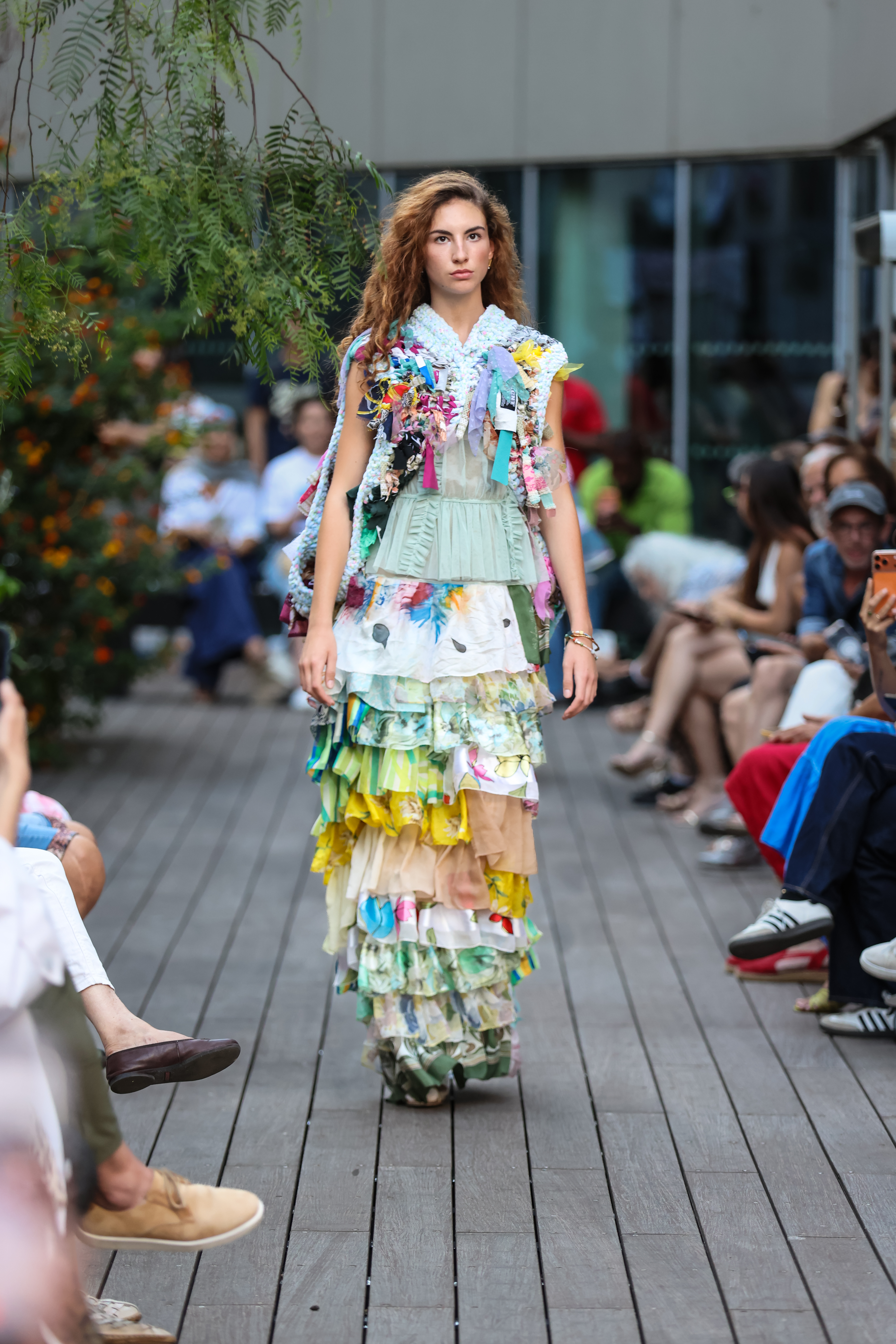
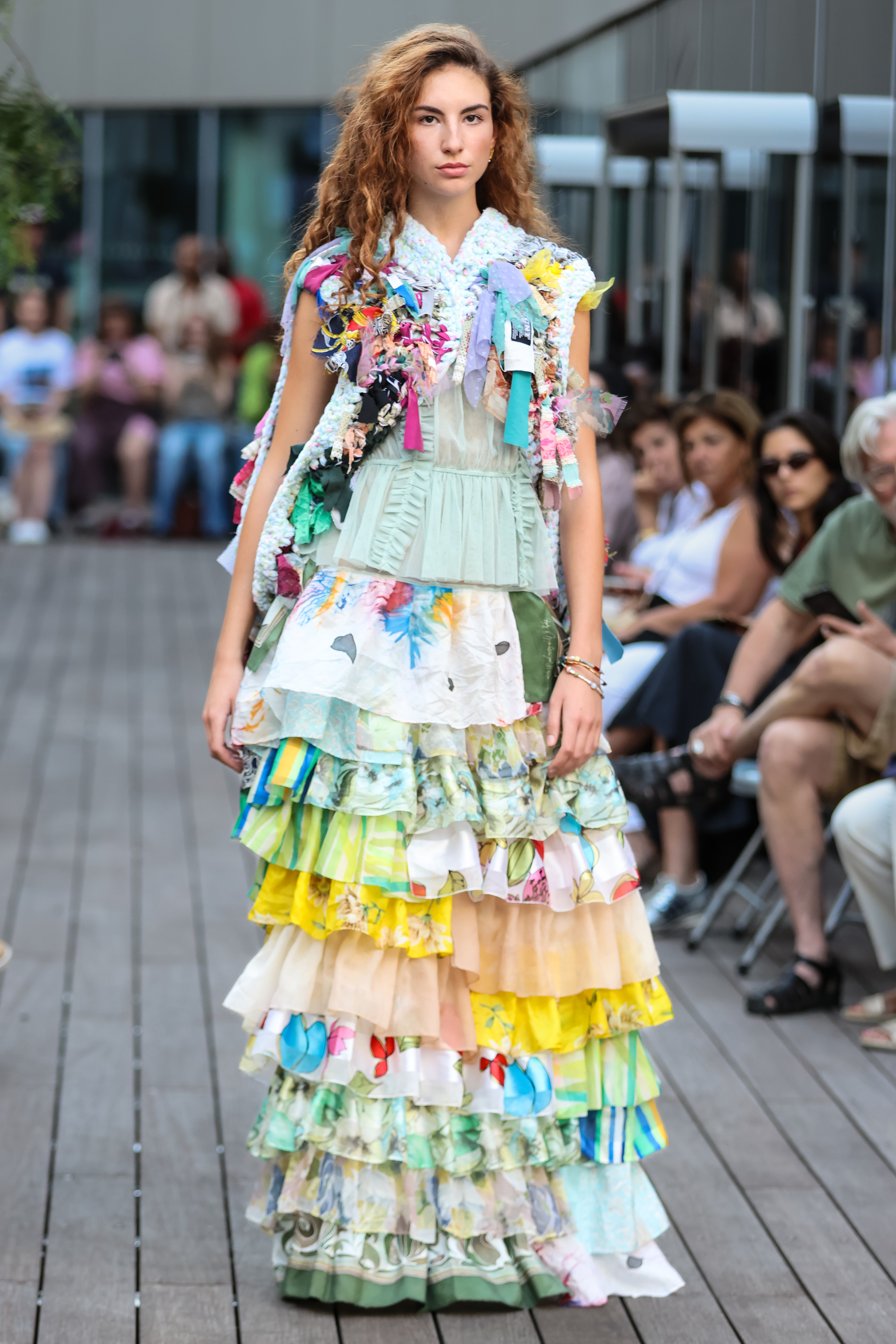
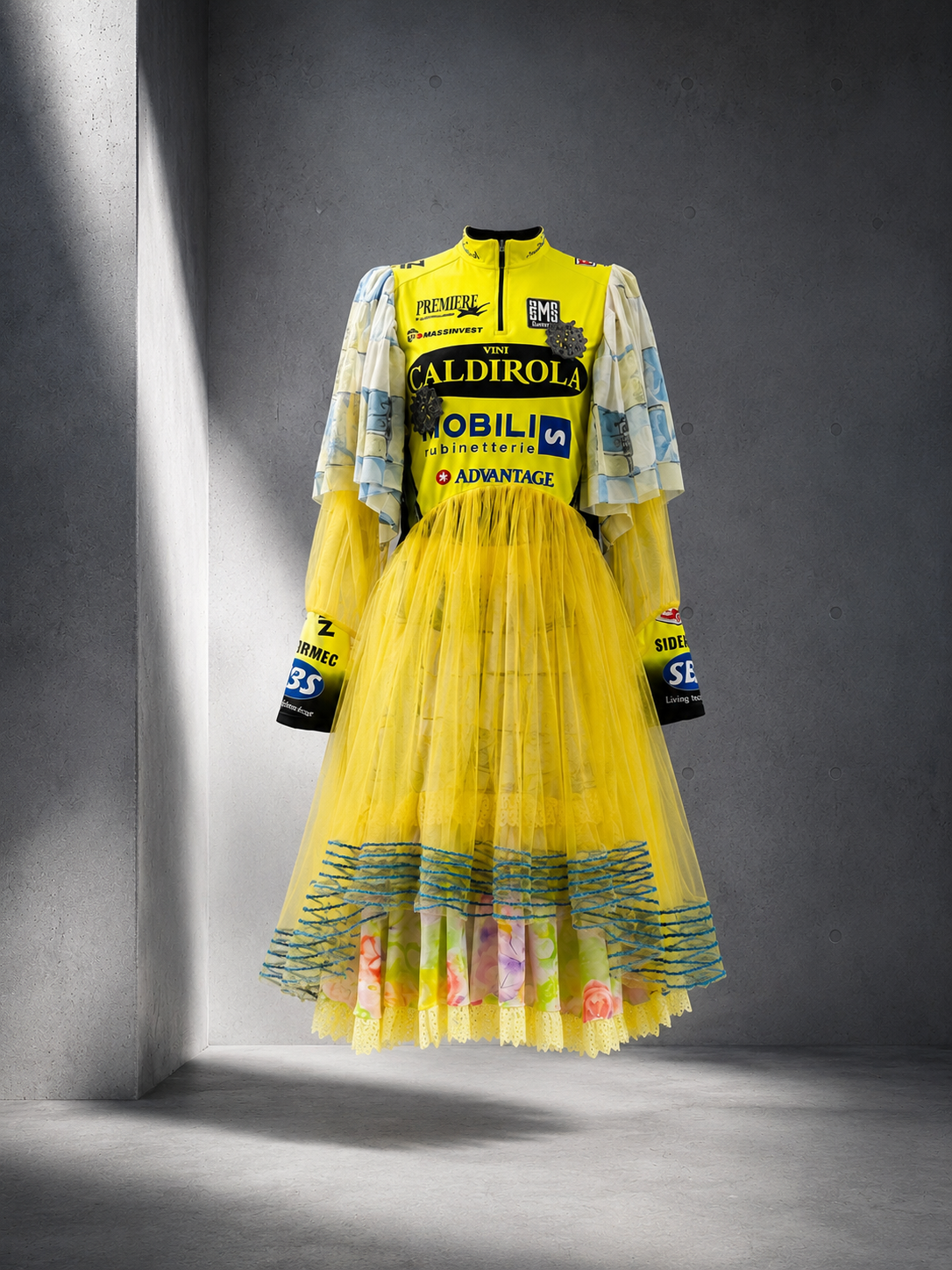
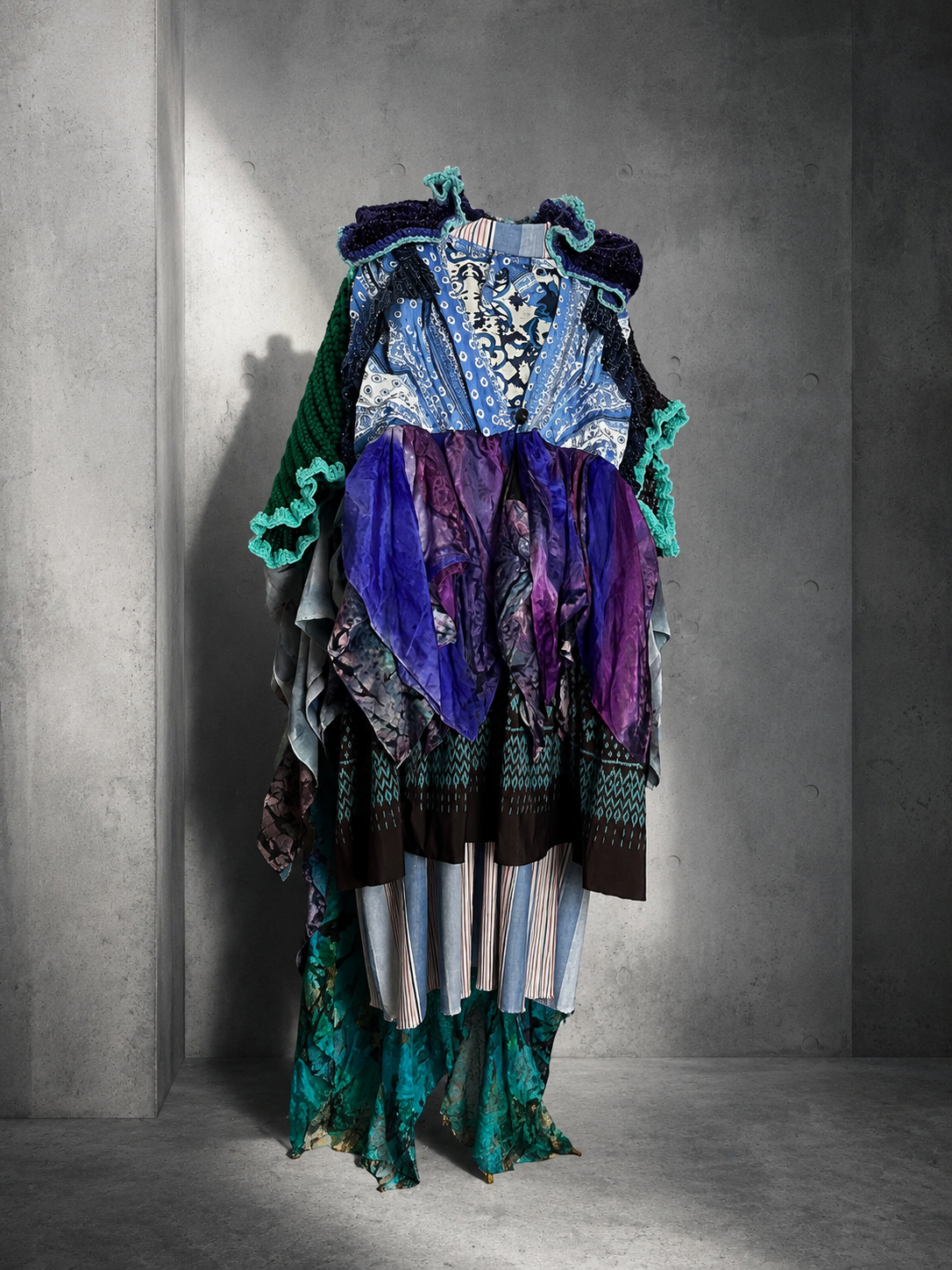
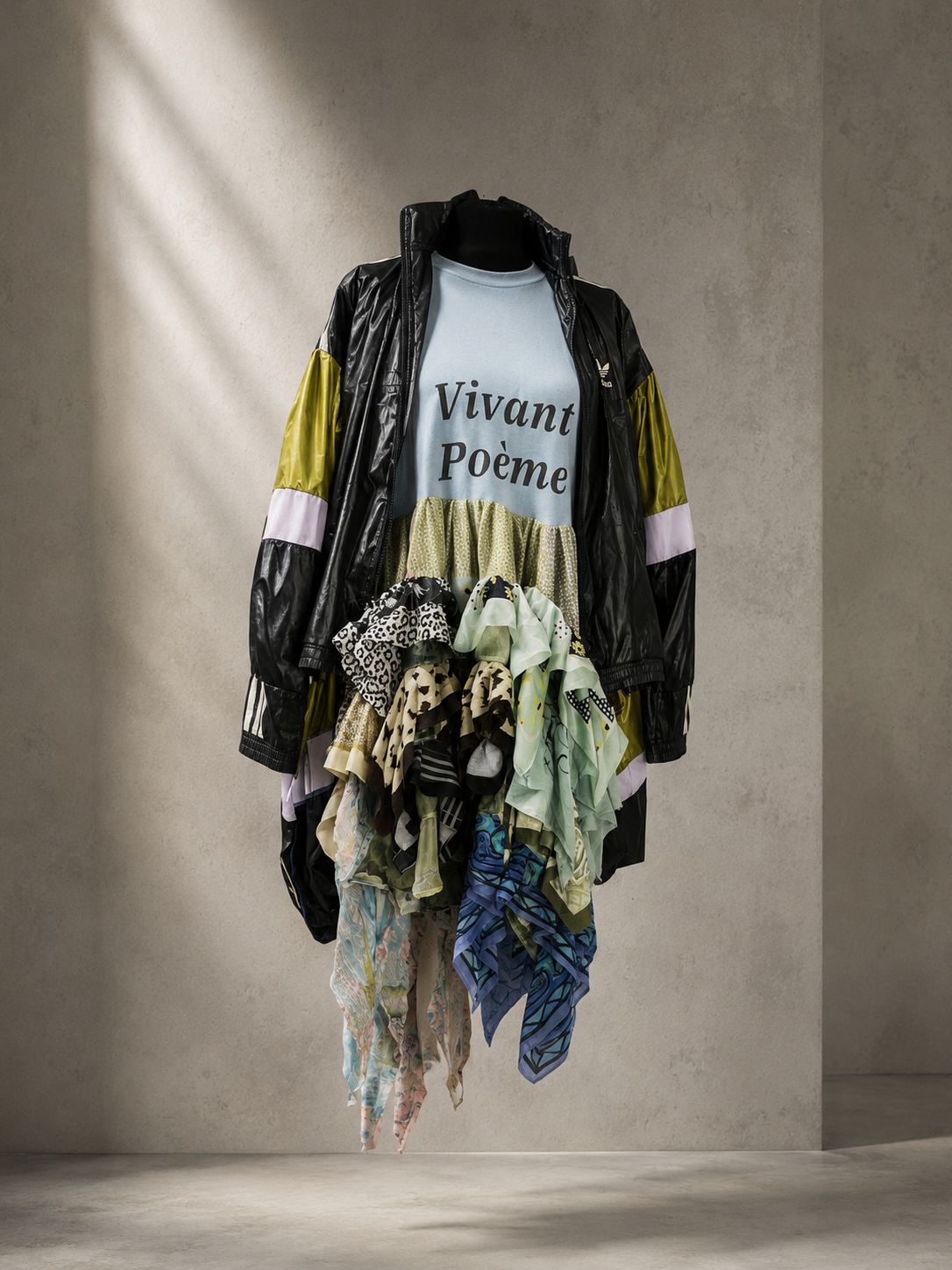
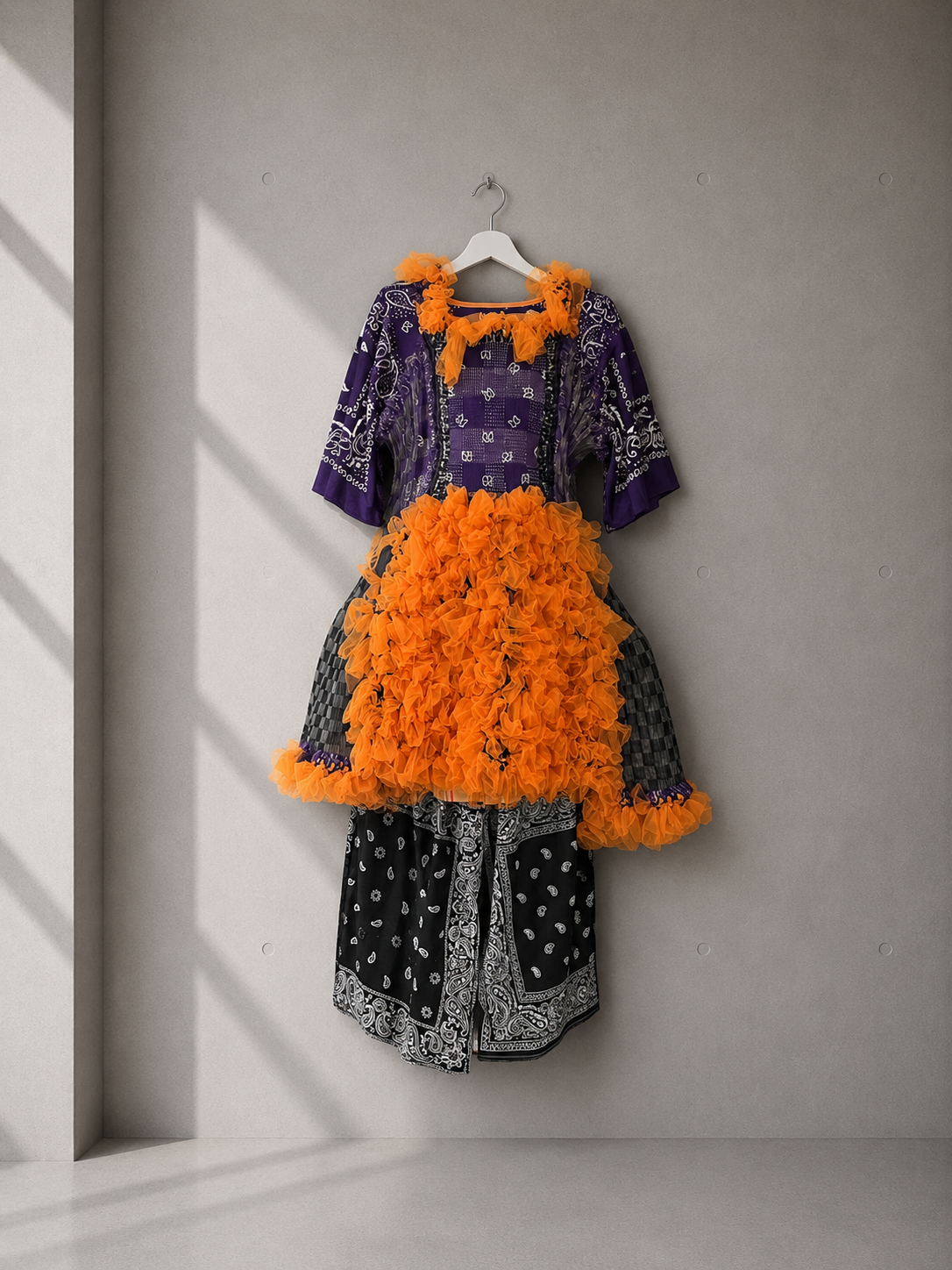
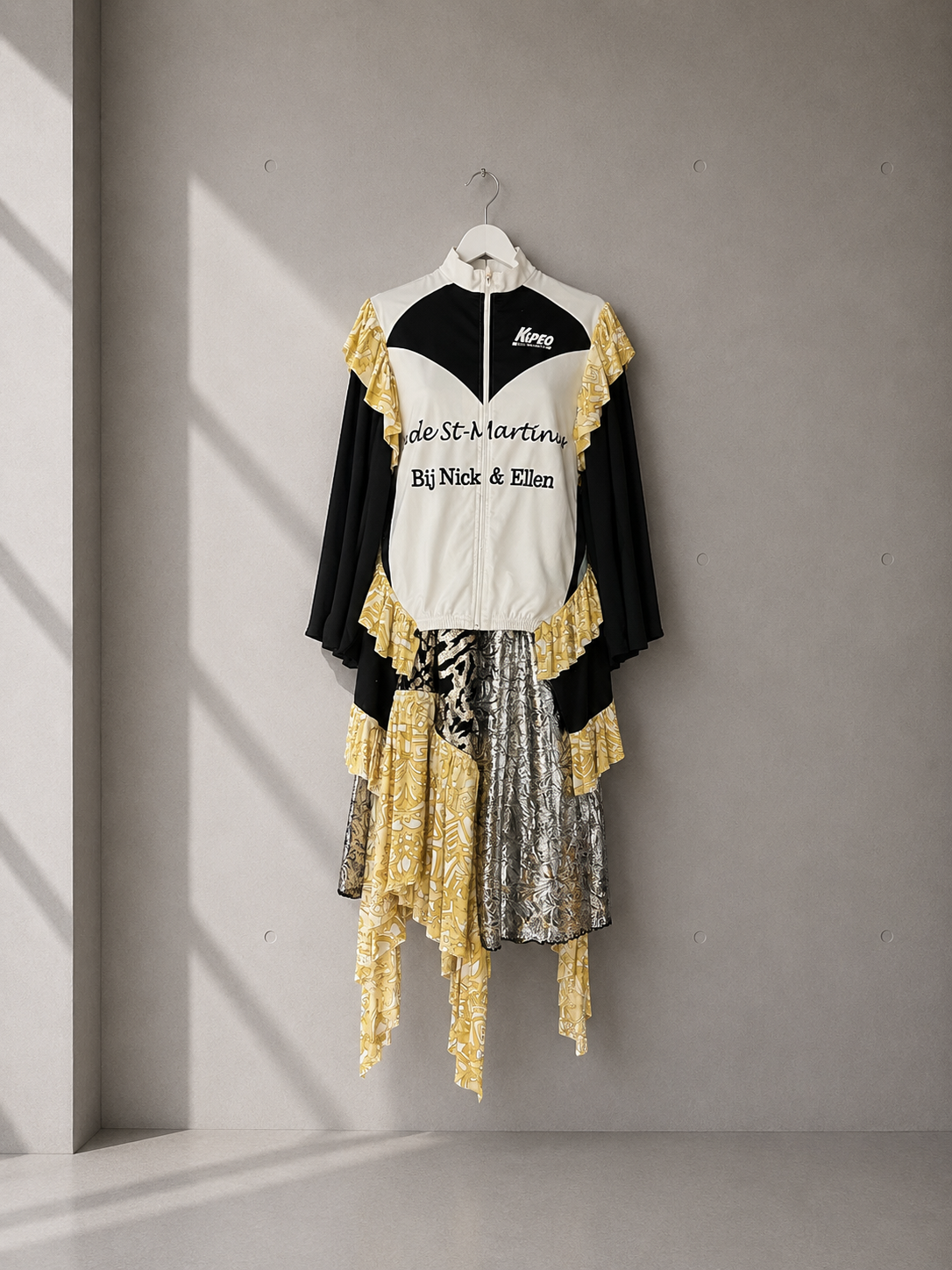
The event received dedicated coverage from Made in Marseille, which described colorful silhouettes constructed from transformed garments and reclaimed materials.
The show demonstrated how fashion can become a tool for reinvention. Garments carried traces of previous lives while opening new possibilities through reconstruction, embellishment and experimentation.
For Tata Christiane, the presentation extended themes explored throughout the exhibition: clothing as transformation, color as emotion and fashion as a form of storytelling.
Workshops, Transmission and Collective Knowledge
A defining aspect of Slow Fashion Week Marseille is its commitment to education and transmission.
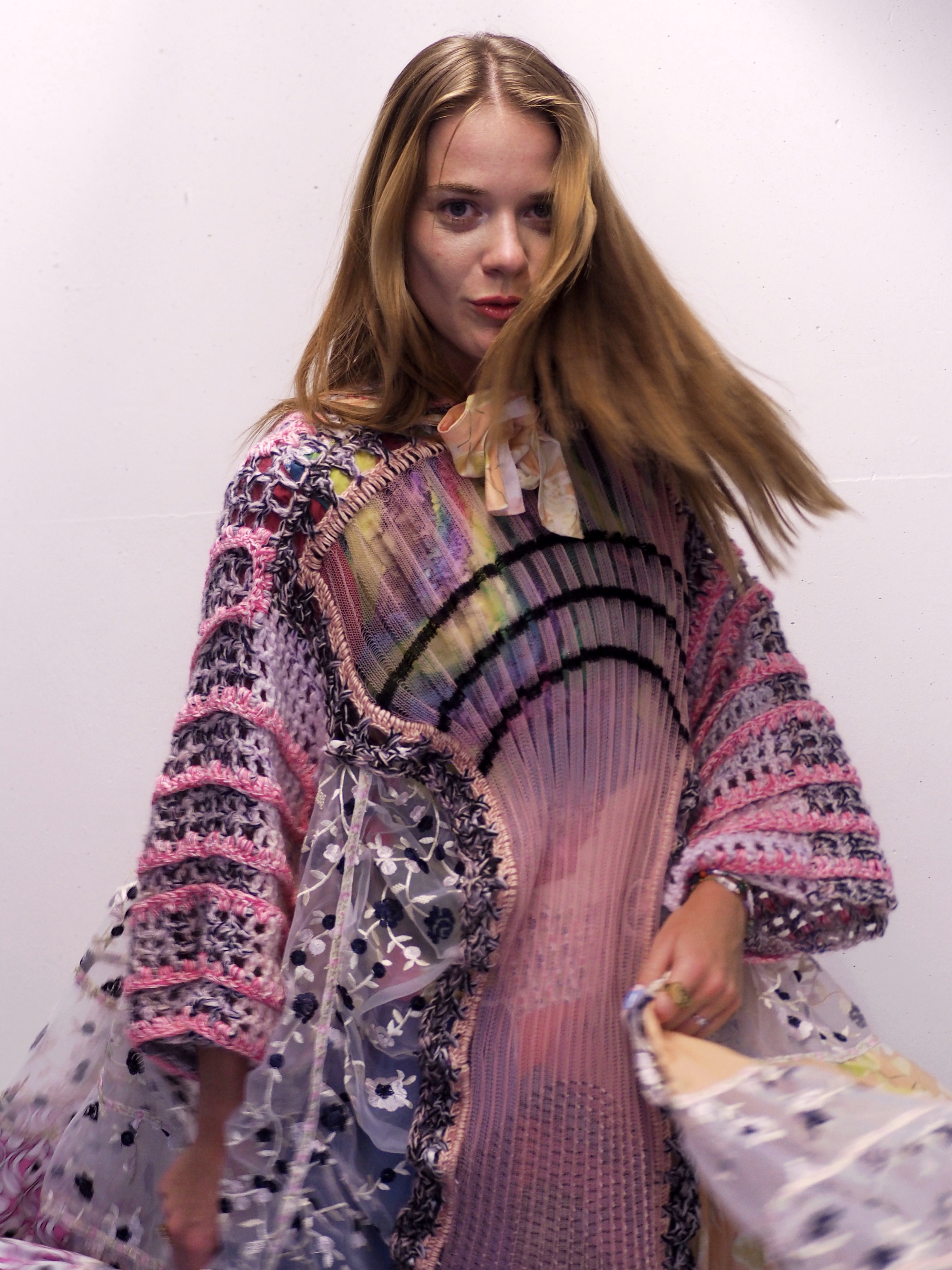
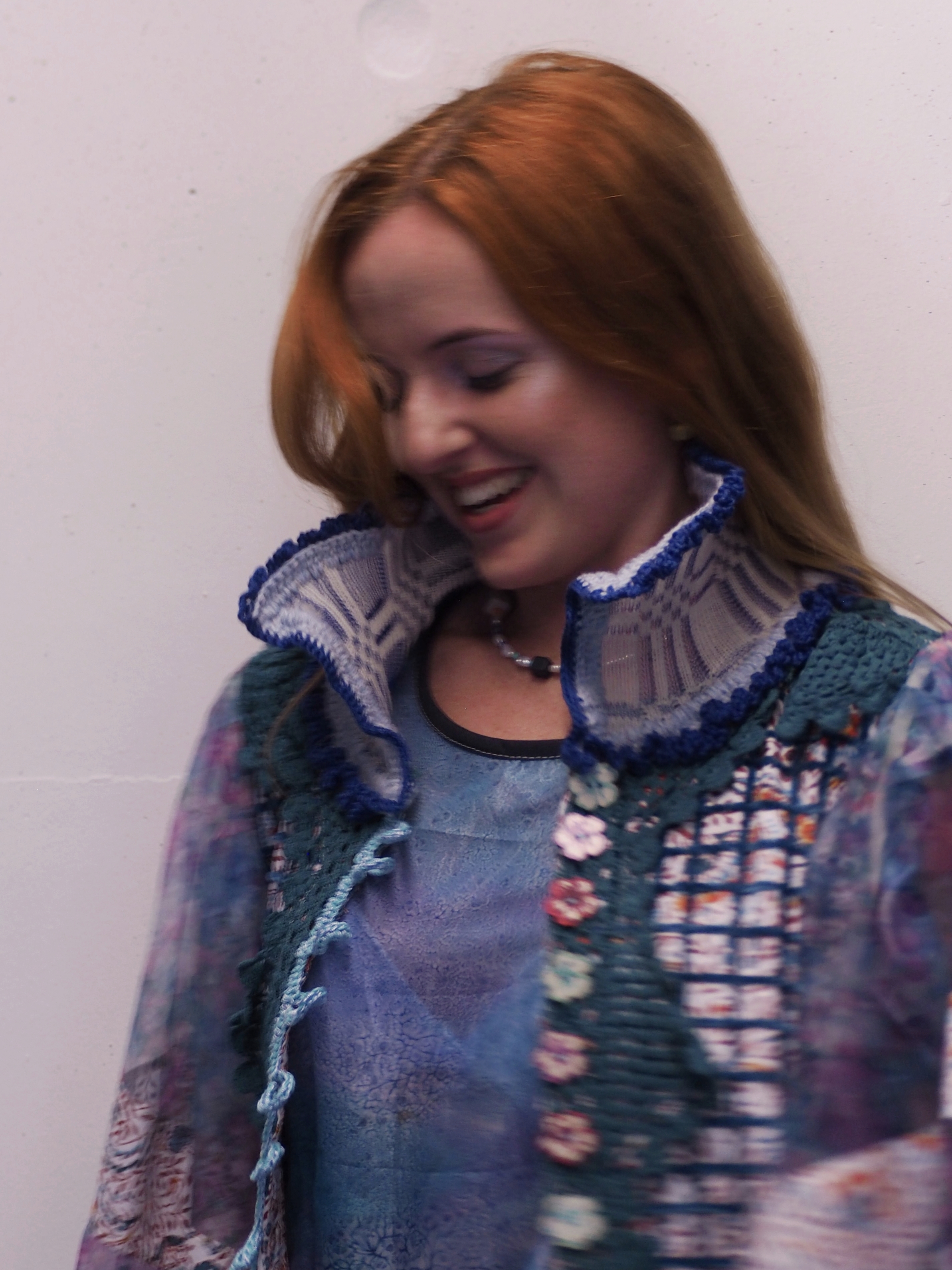
As part of the Slow Fashion Week x Ardelaine program, Tata Christiane hosted a Crochet Custom on Knitwear workshop, introducing participants to simple techniques for extending the life of existing garments.
These workshops reflected one of the event’s strongest values: empowering people to become active participants in fashion rather than passive consumers.
Repair, customization and creative reuse become practical tools for reducing waste while building stronger personal relationships with clothing.
In this sense, Slow Fashion Week Marseille functions not only as a cultural event but also as a laboratory for alternative fashion practices.
Media Coverage and Growing Visibility
The second edition of Slow Fashion Week Marseille generated significant media attention.
Mixte Magazine highlighted the event as one of the most important gatherings dedicated to responsible fashion in France.
Made in Marseille documented the collective fashion show at FRAC Sud and the designers involved.
FashionUnited and AFP coverage emphasized Marseille’s role in developing new models of accessible and sustainable fashion.
The event was also featured through official cultural channels including the Marseille Tourism Office, helping introduce the initiative to a broader audience.
Fashion Beyond Consumption
Slow Fashion Week Marseille 2026 was more than a series of events.
It demonstrated that another fashion culture is possible. One based on collaboration rather than competition. On care rather than disposability. On imagination rather than uniformity.
For Tata Christiane, returning to Marseille was an opportunity to reconnect with the city where the story began while participating in a growing movement that seeks to redefine the role of fashion in contemporary society.
The week brought together designers, artists, activists and visitors around a shared conviction: clothing can carry memory, create connection and inspire change.
In a world increasingly shaped by speed and excess, Slow Fashion Week Marseille offered a reminder that another rhythm remains possible.
A rhythm where garments are not simply consumed, but lived with.