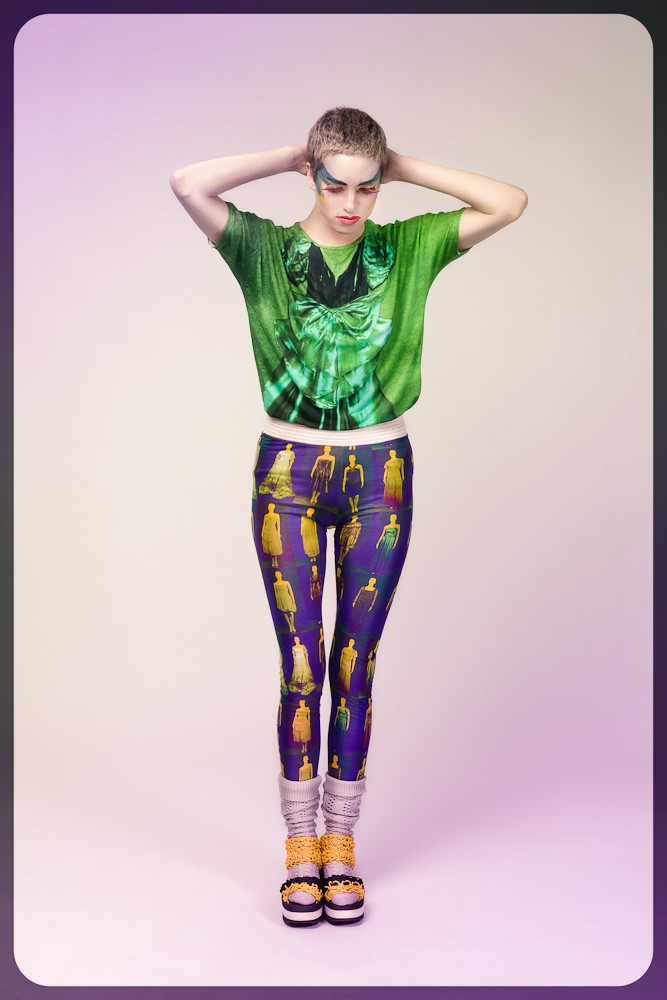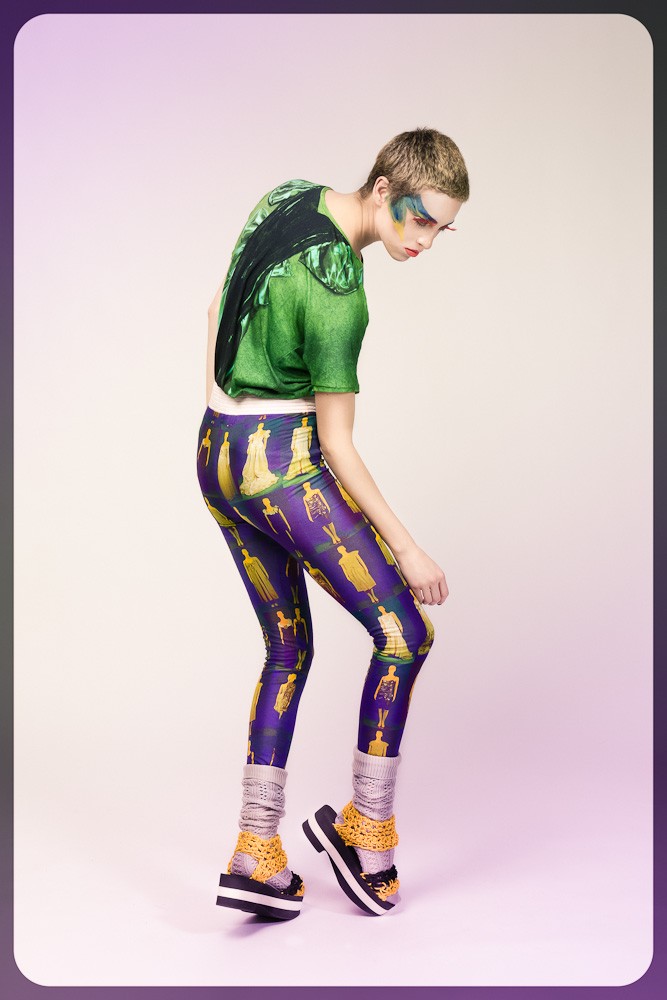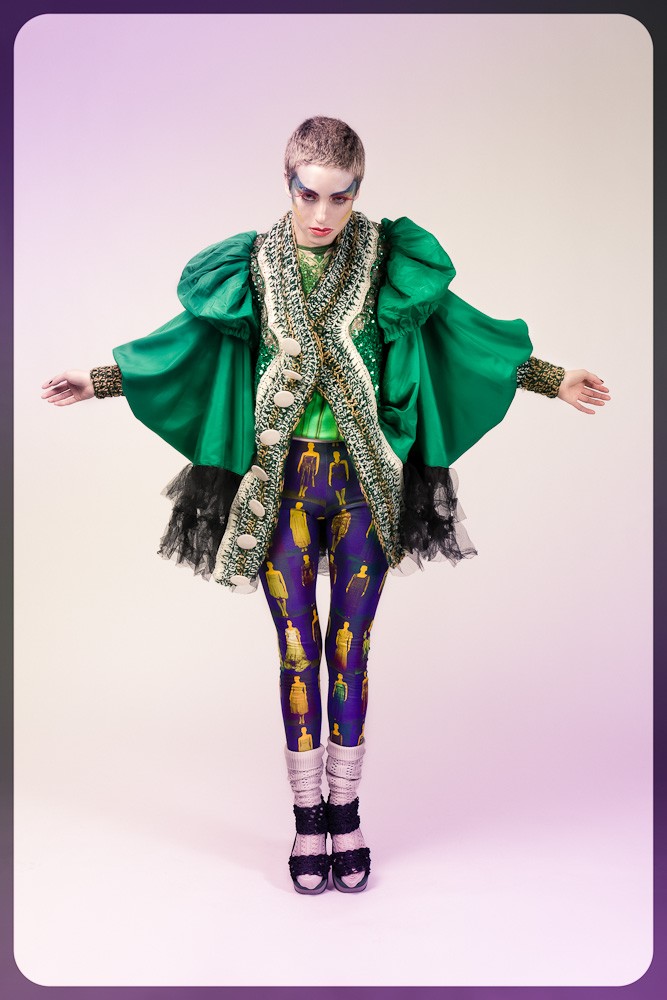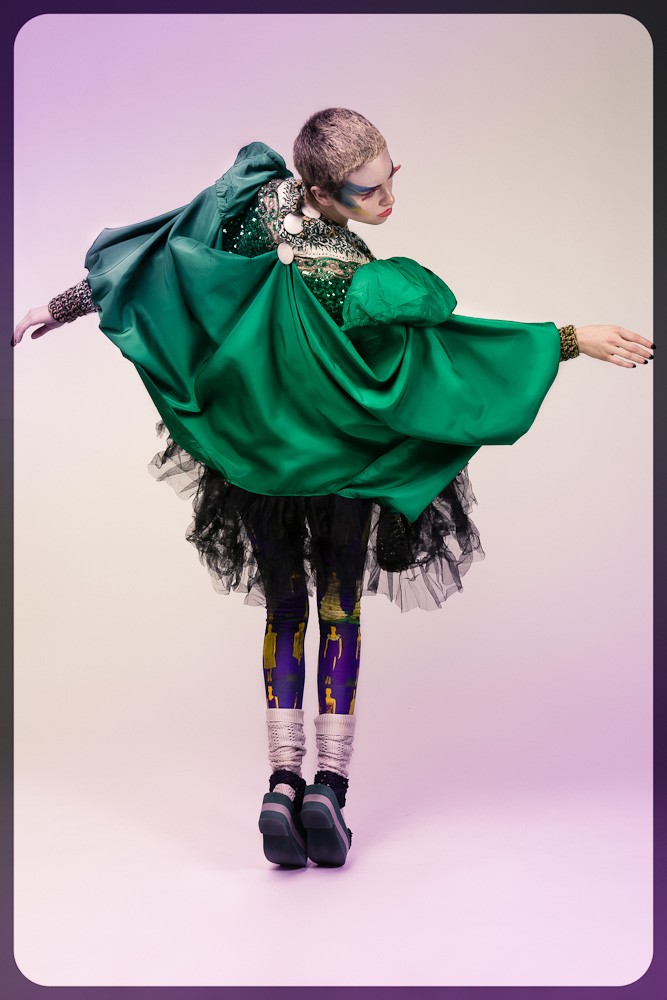
99 Robes de Bal
A collector collection by Tata Christiane in collaboration with guest stylist and designer Raki Fernandez
Some garments do not begin as fabric. They begin as memory.
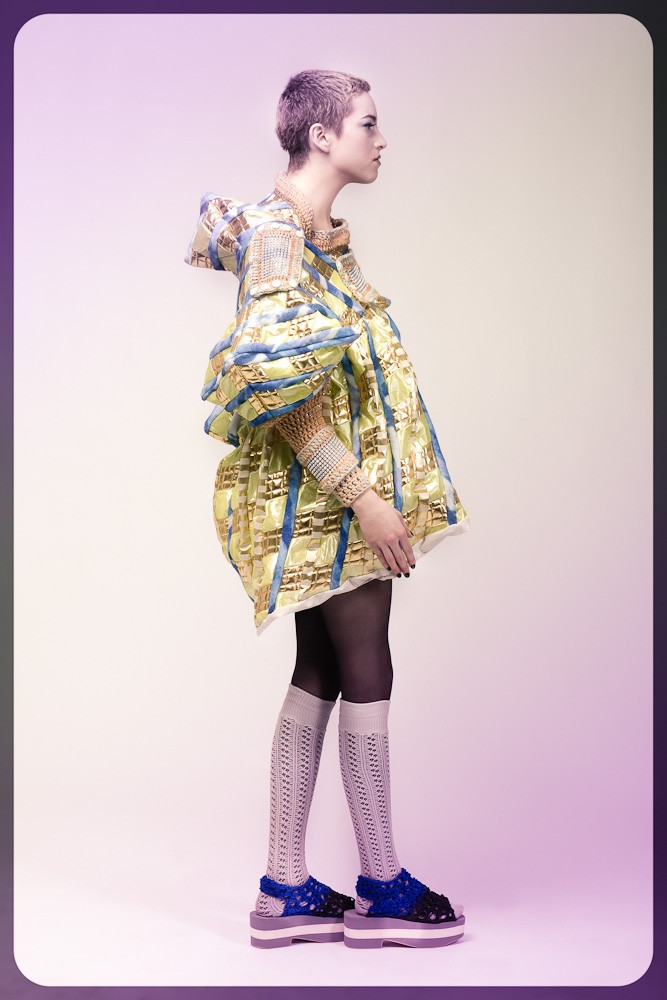
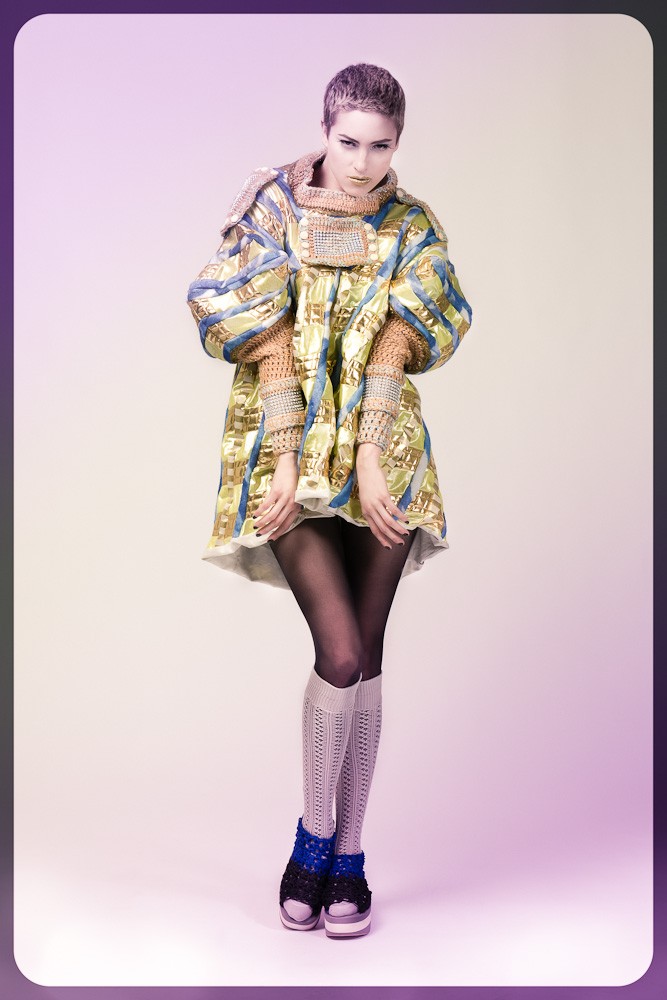
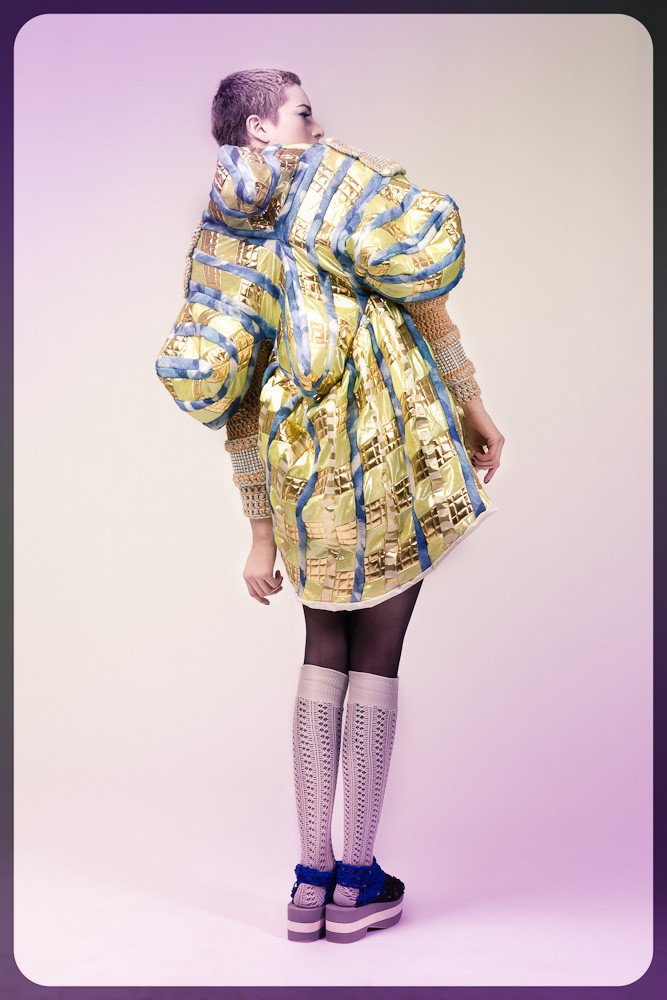
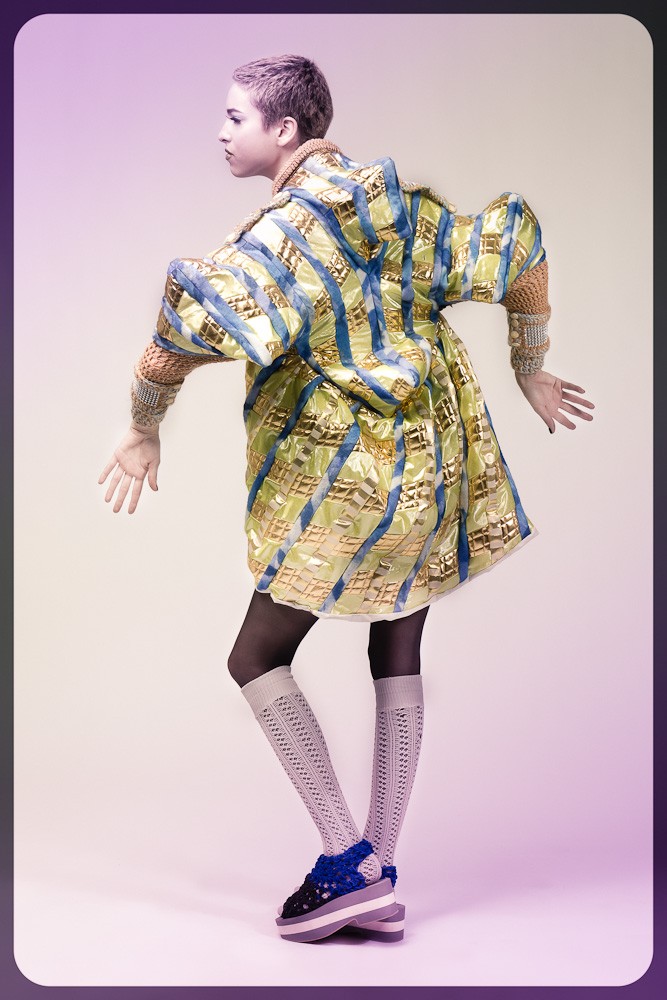
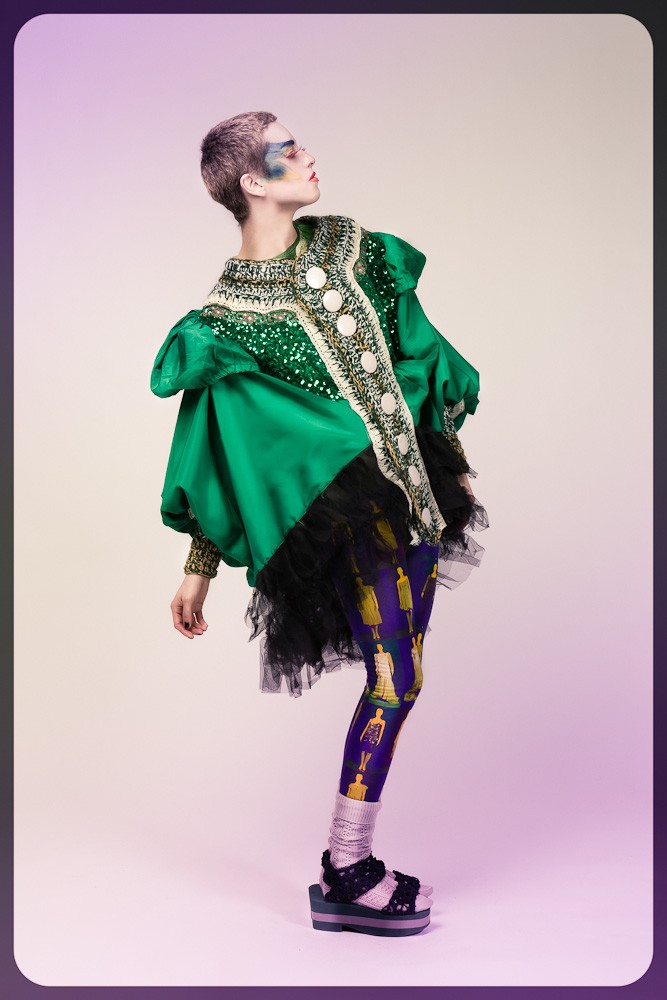
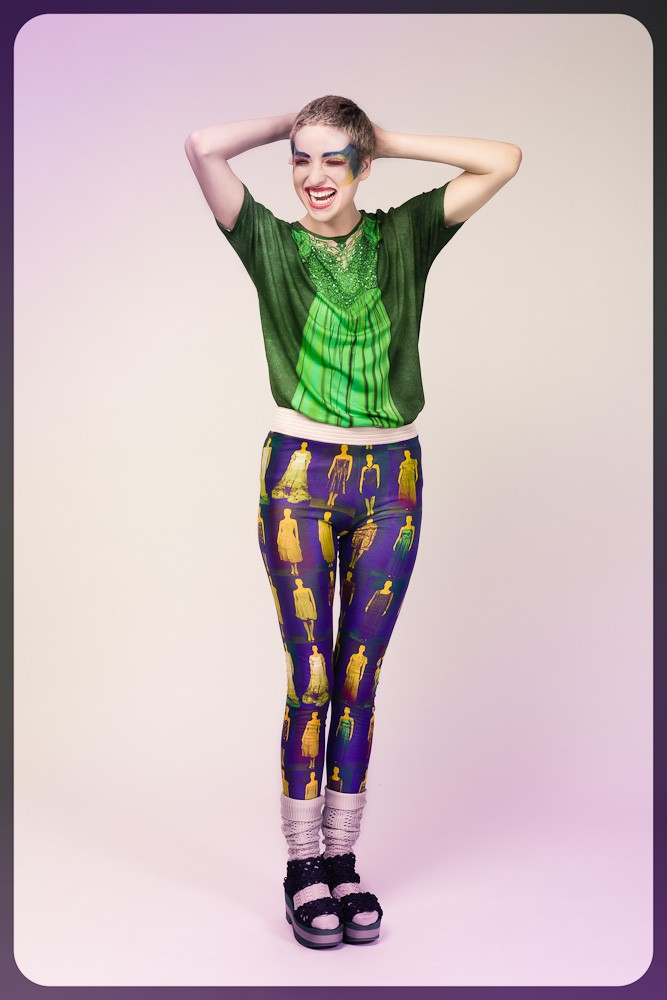
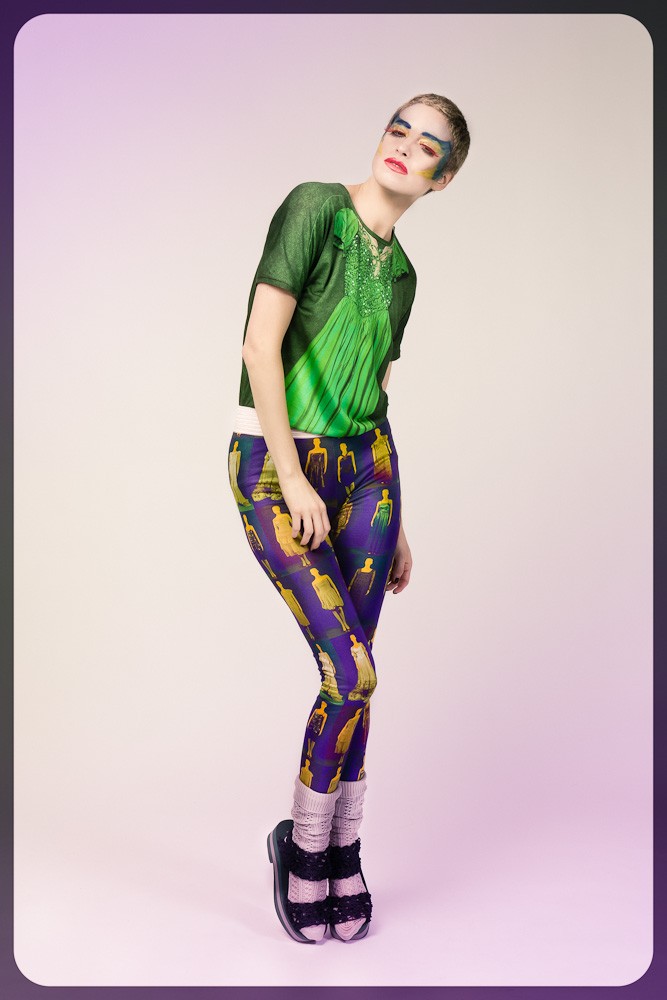
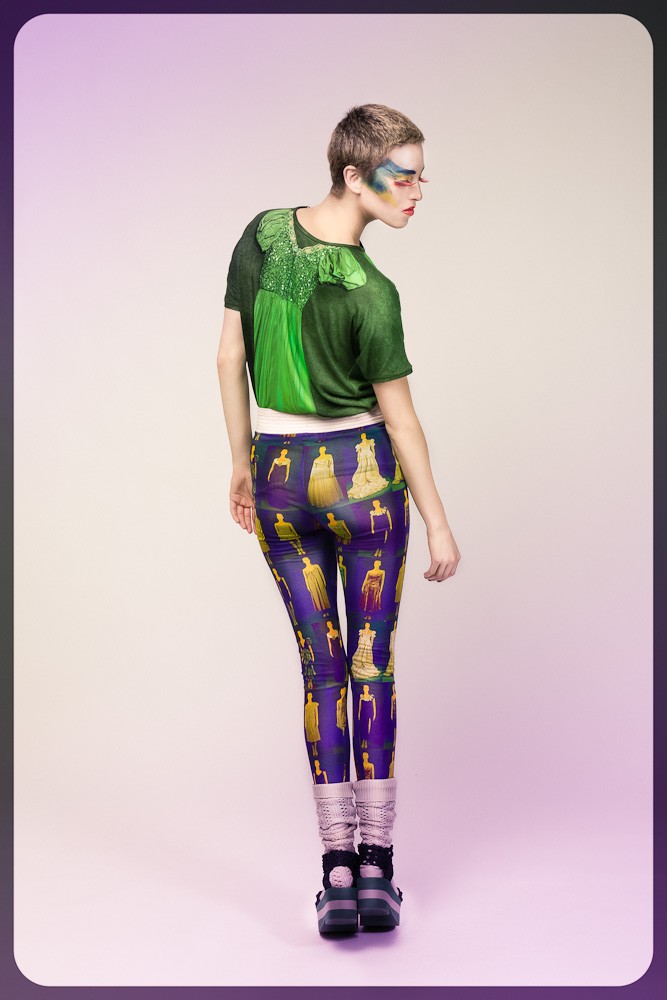
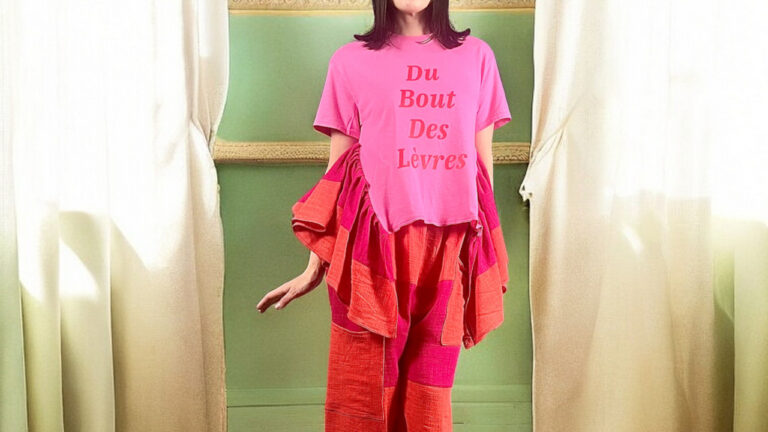
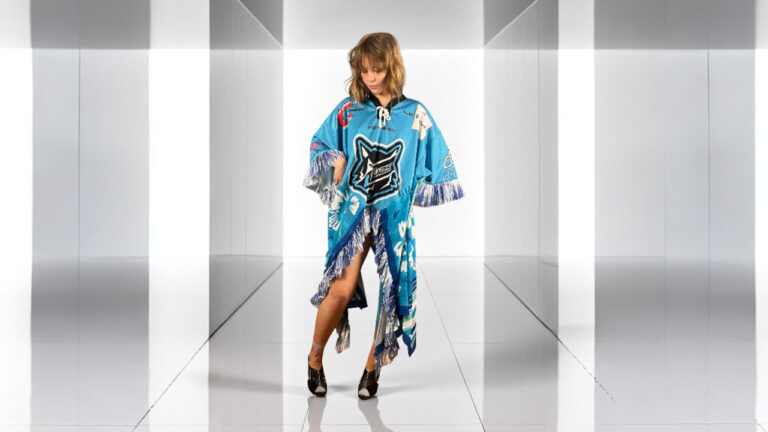
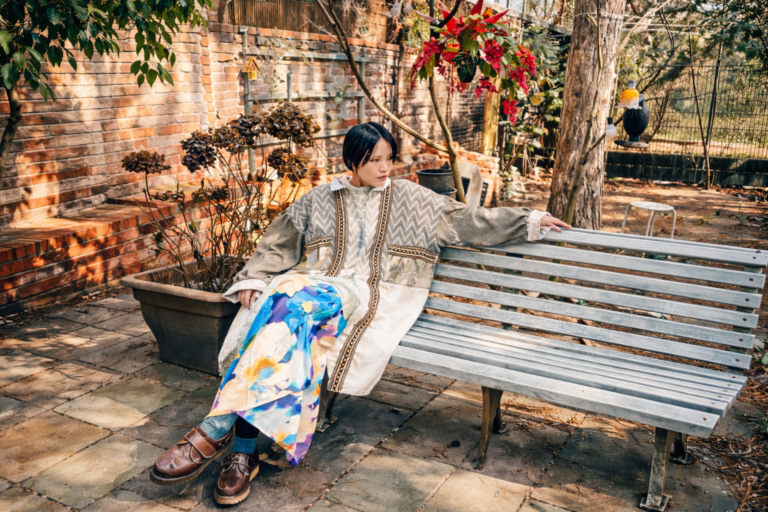
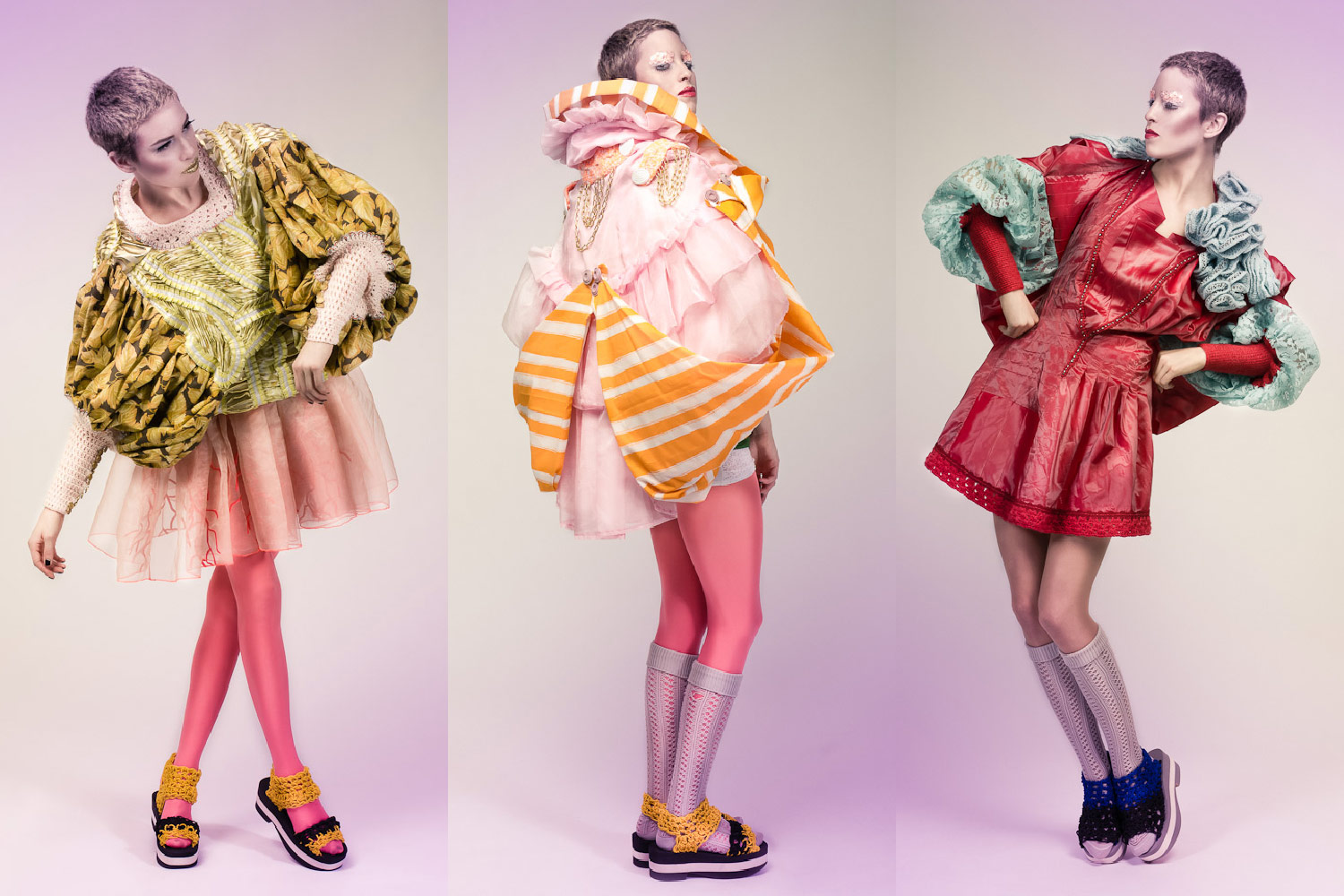
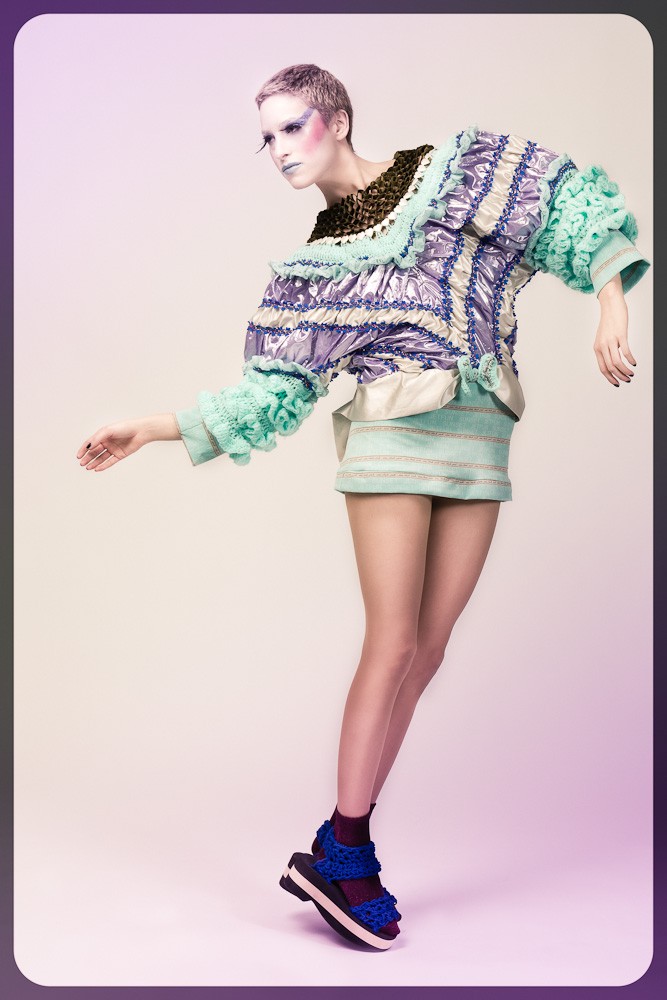
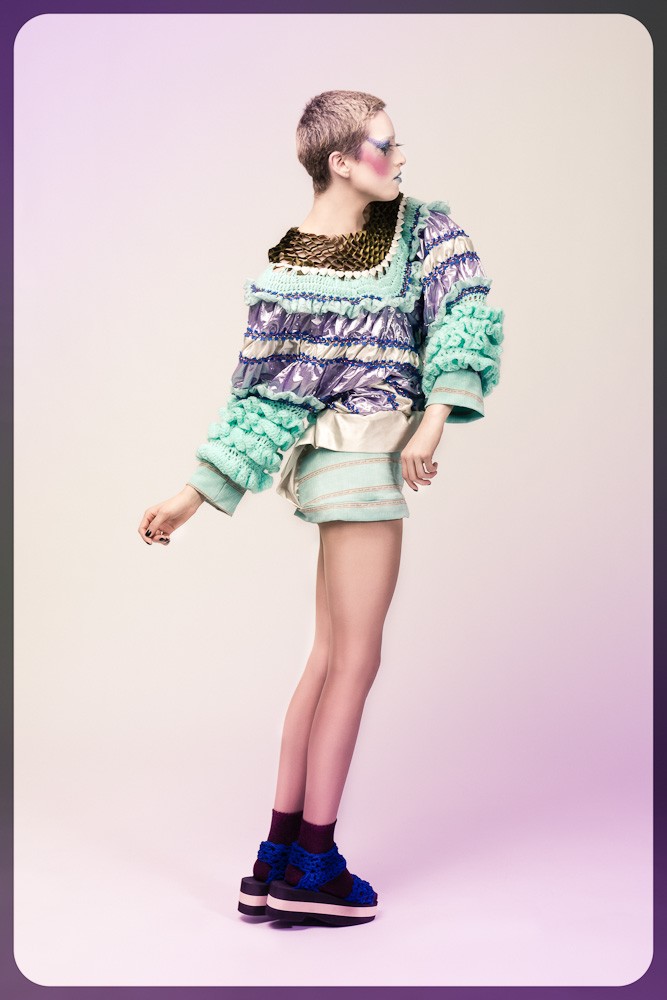
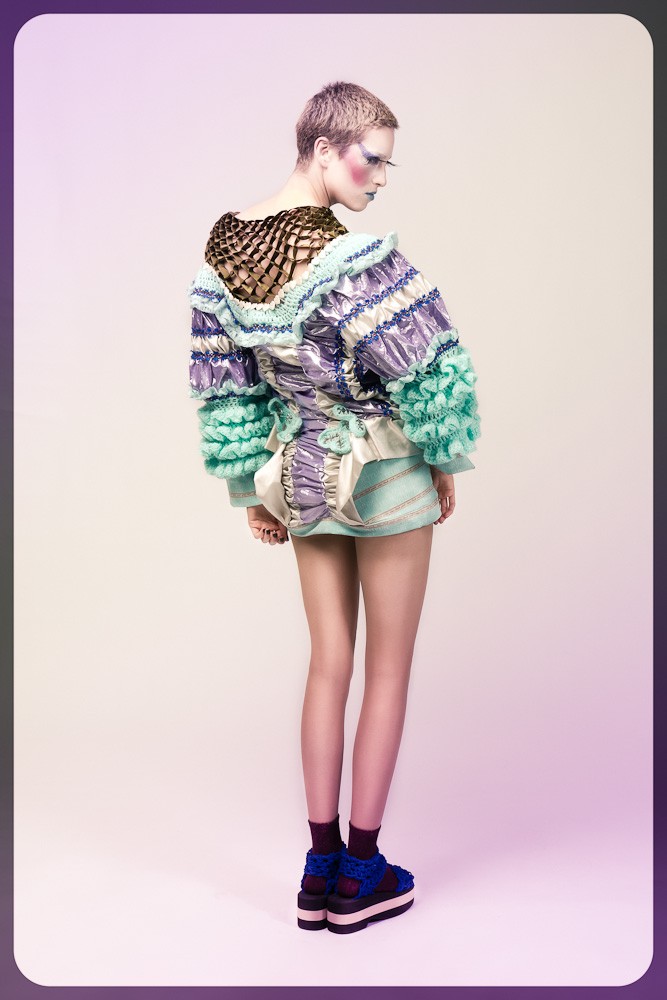
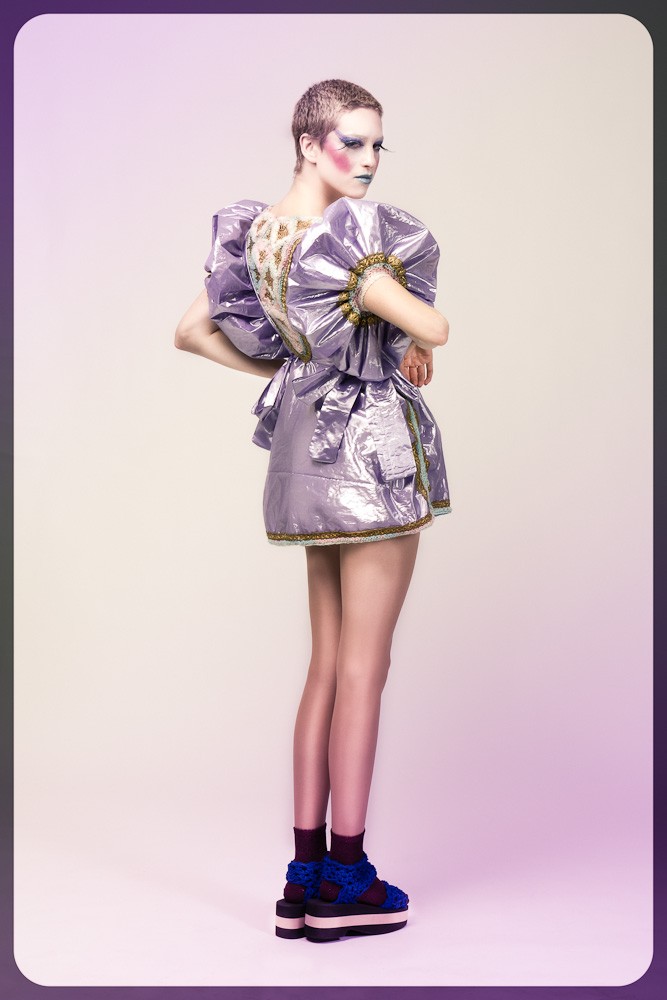
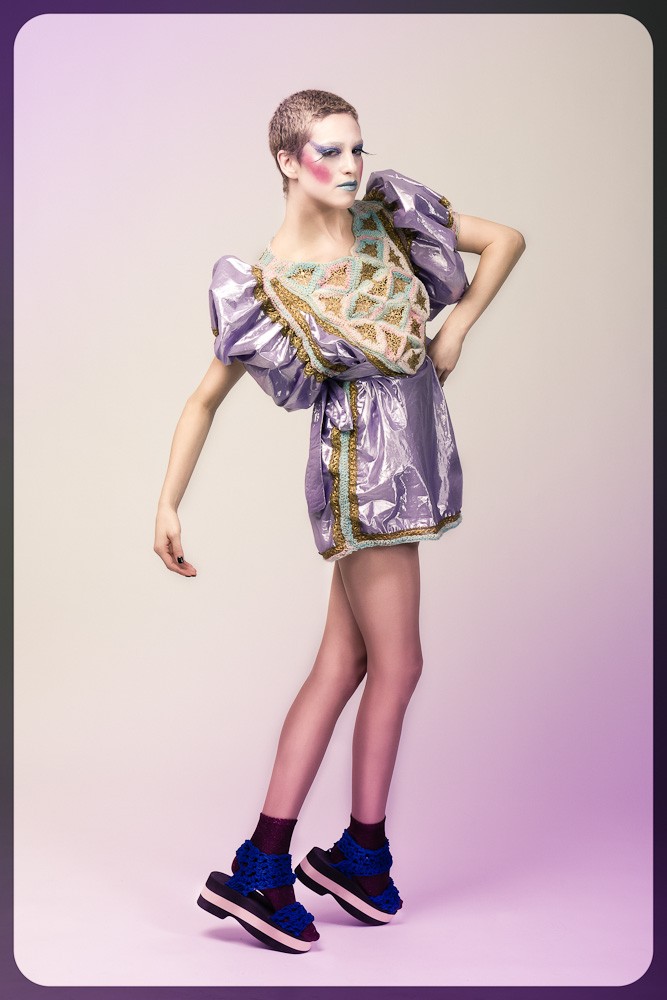
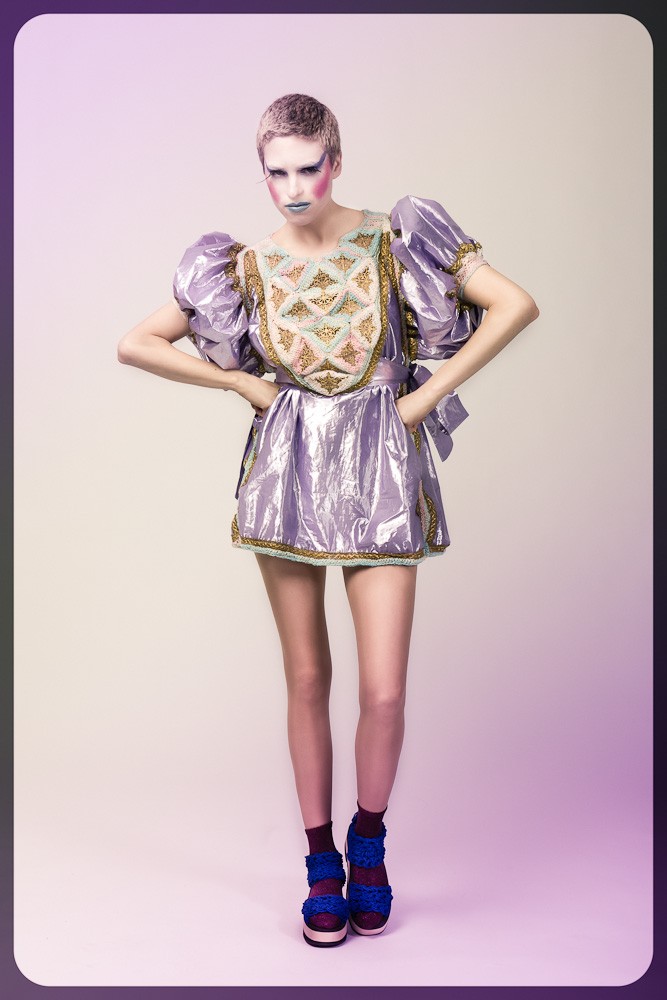
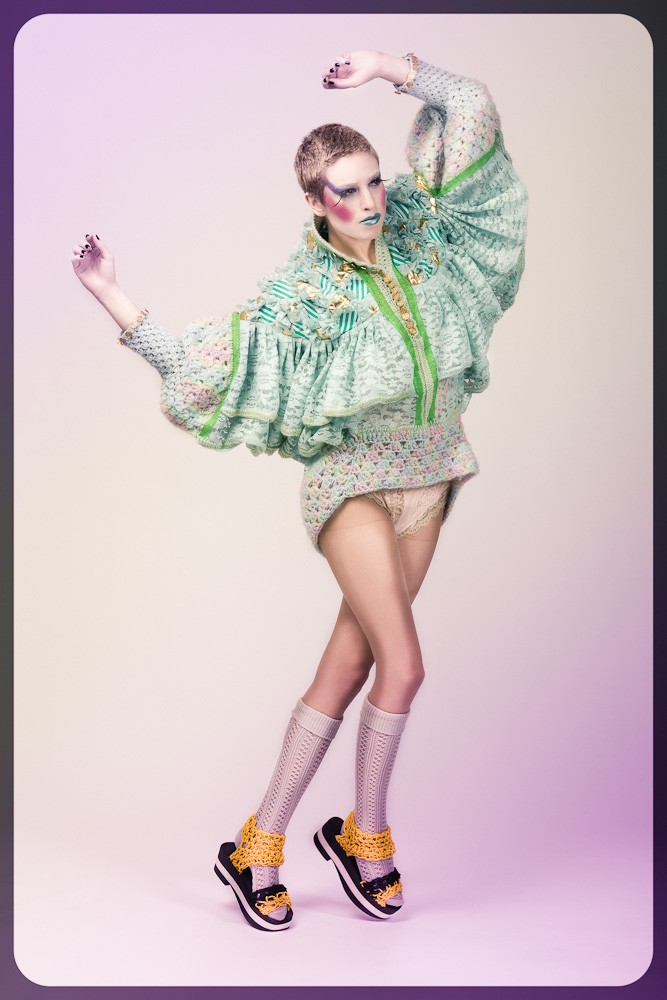
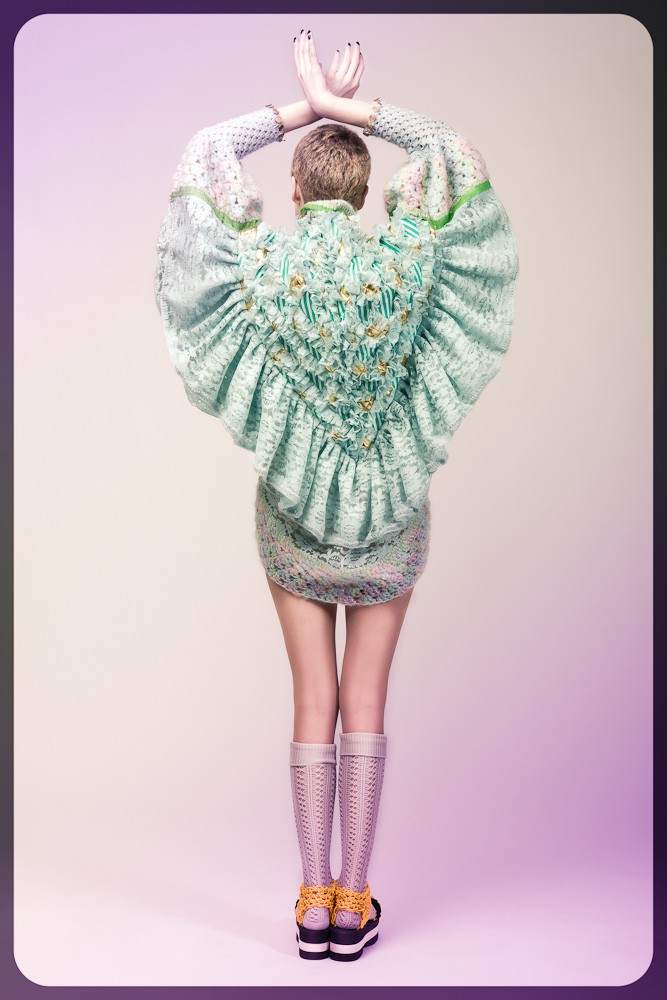
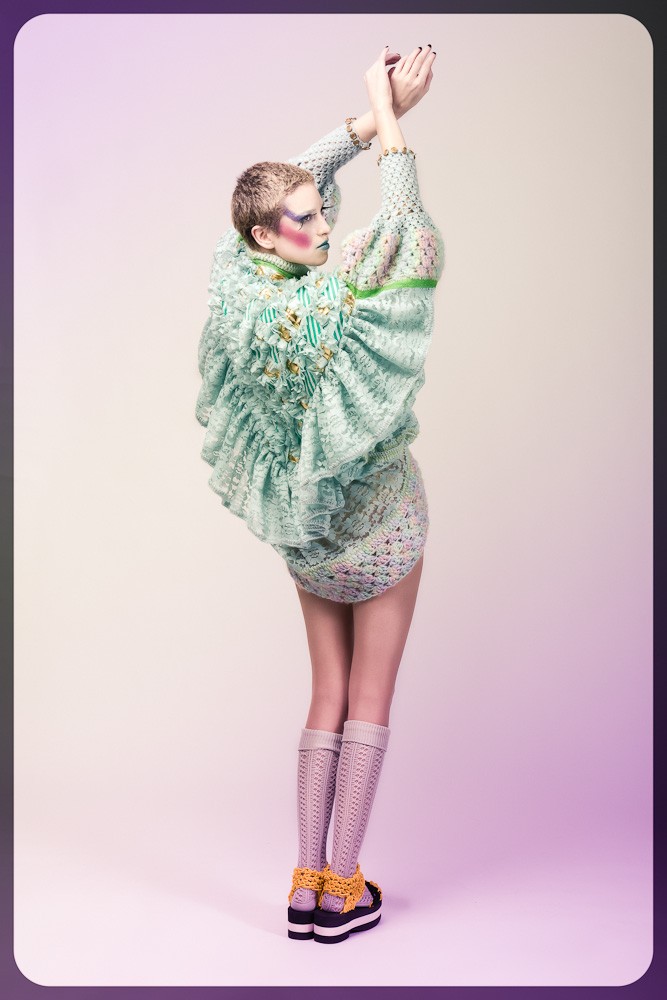
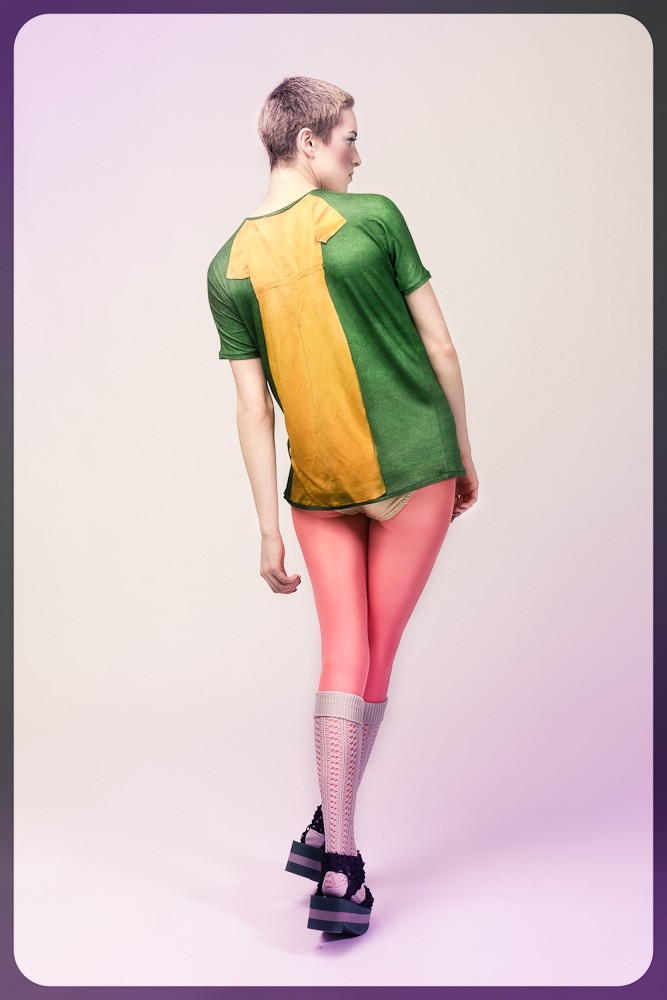
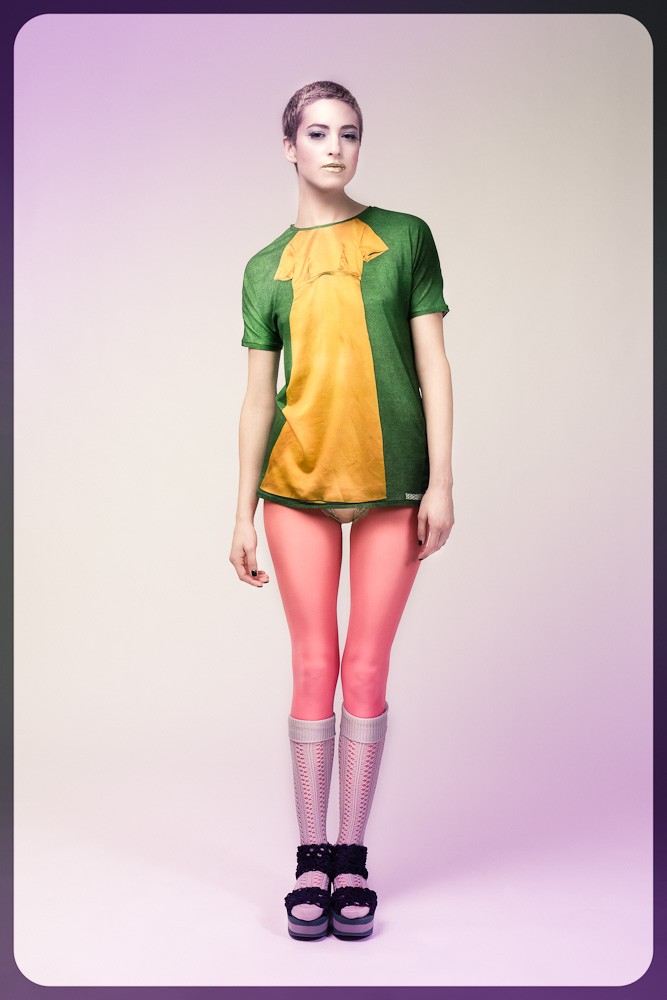
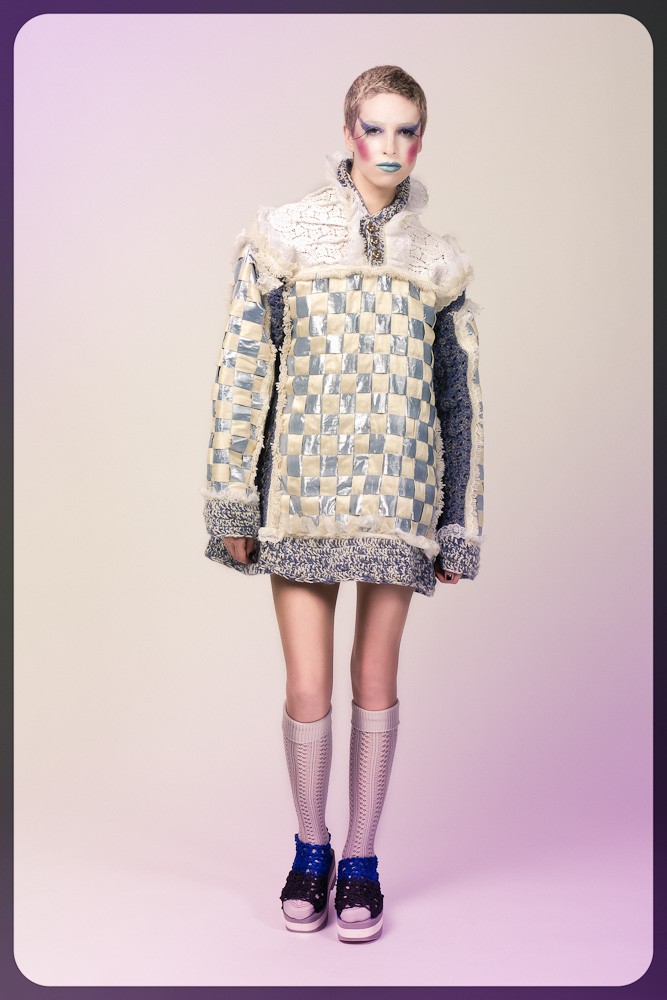
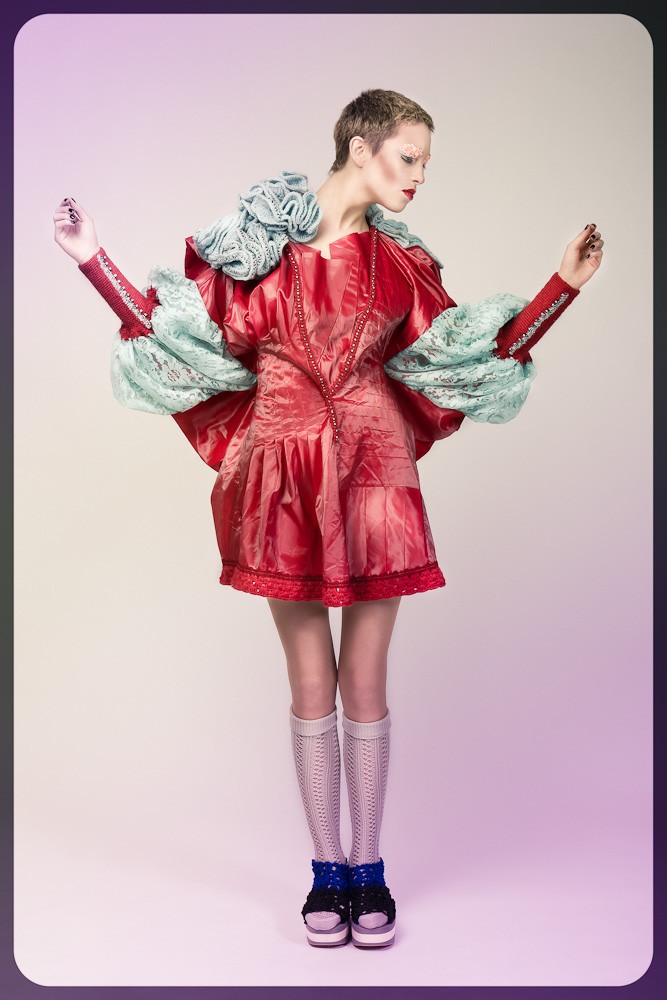
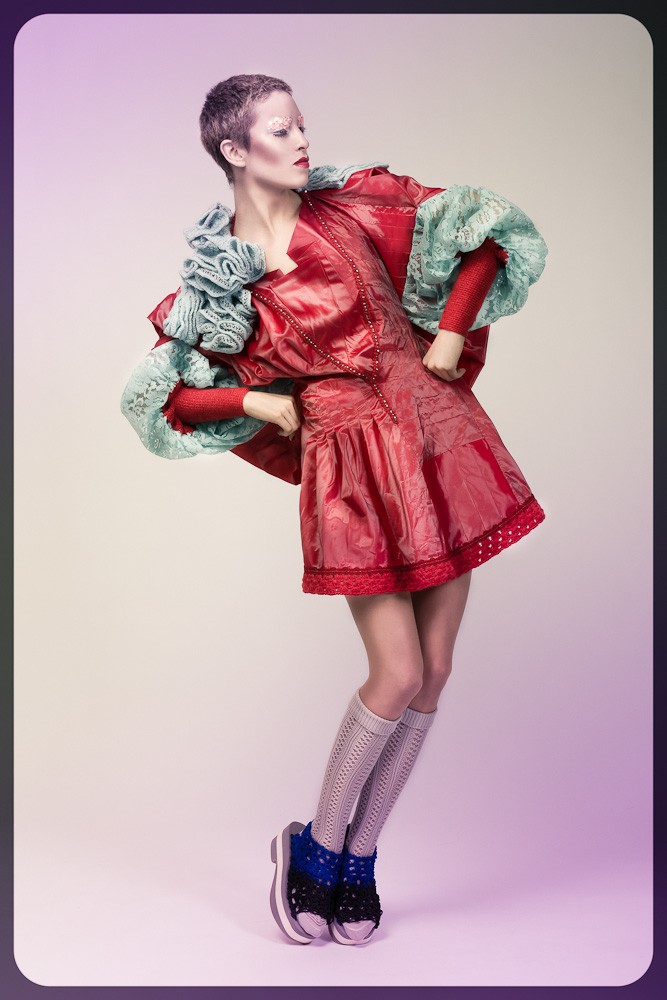
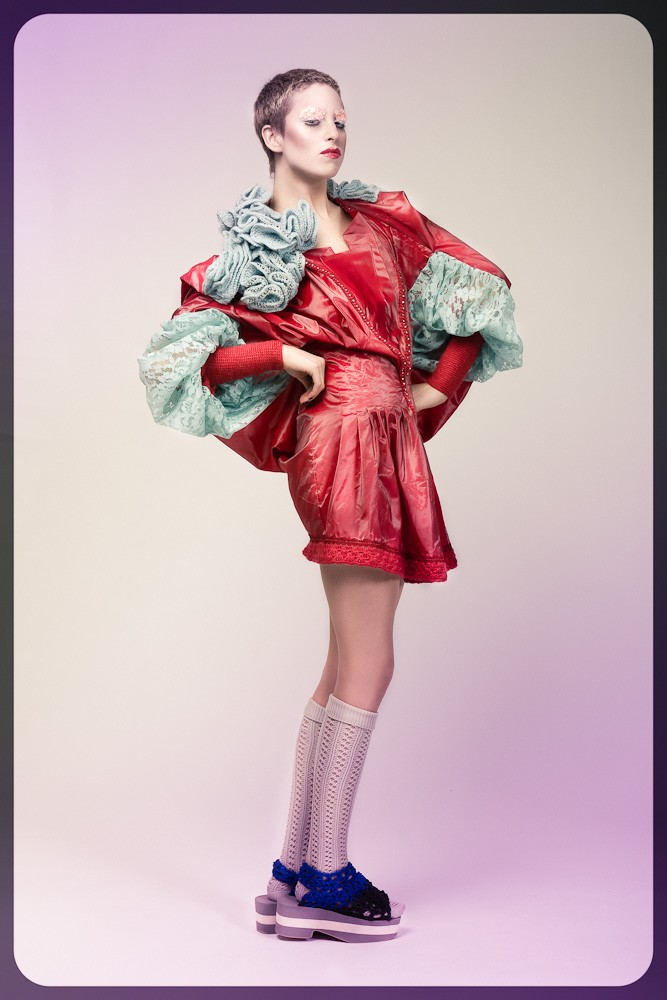
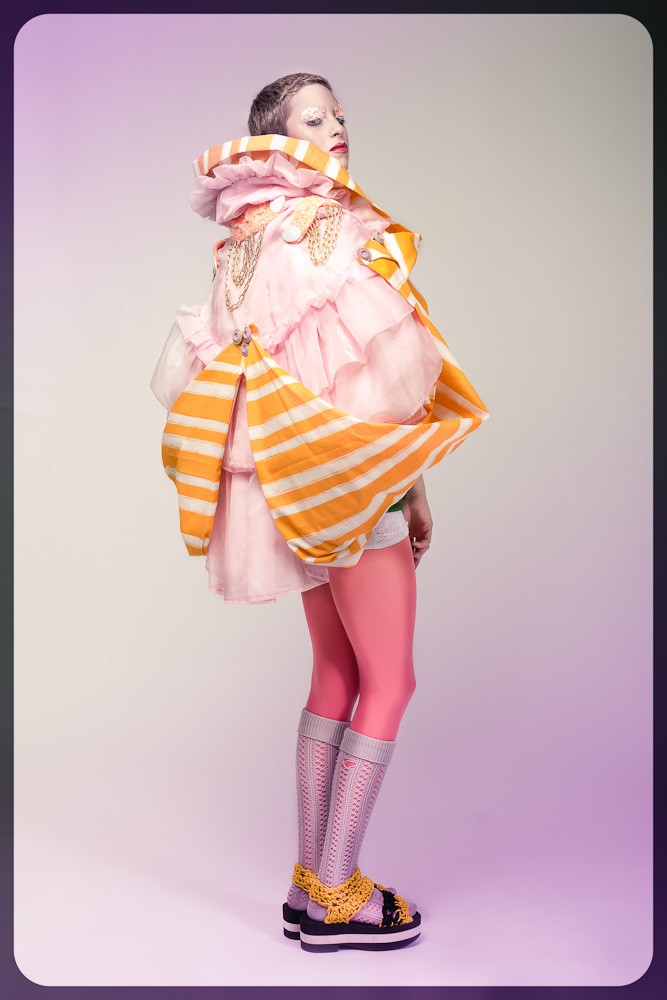
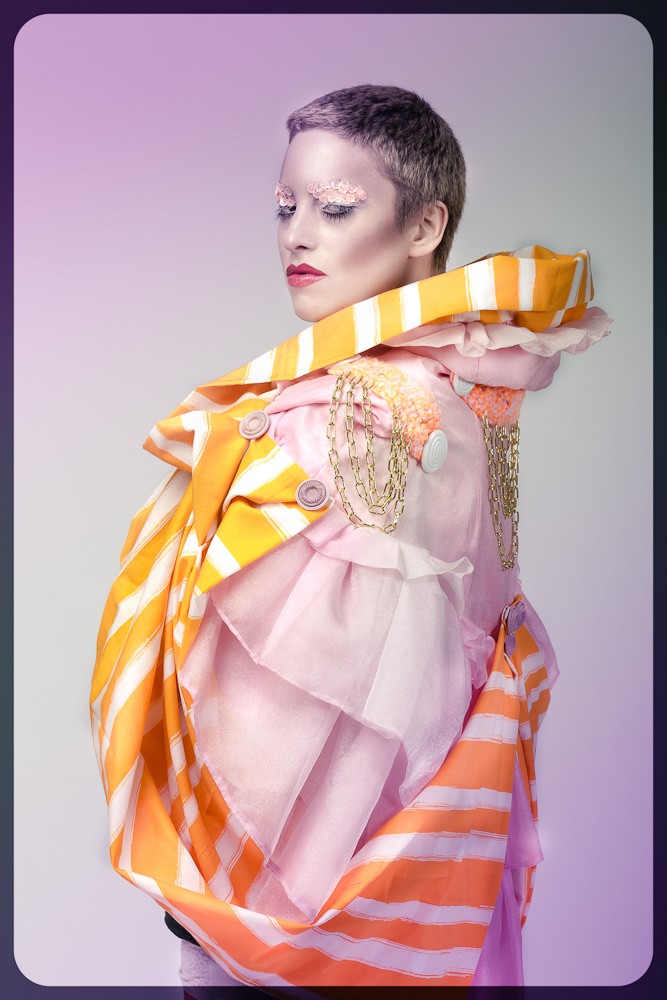
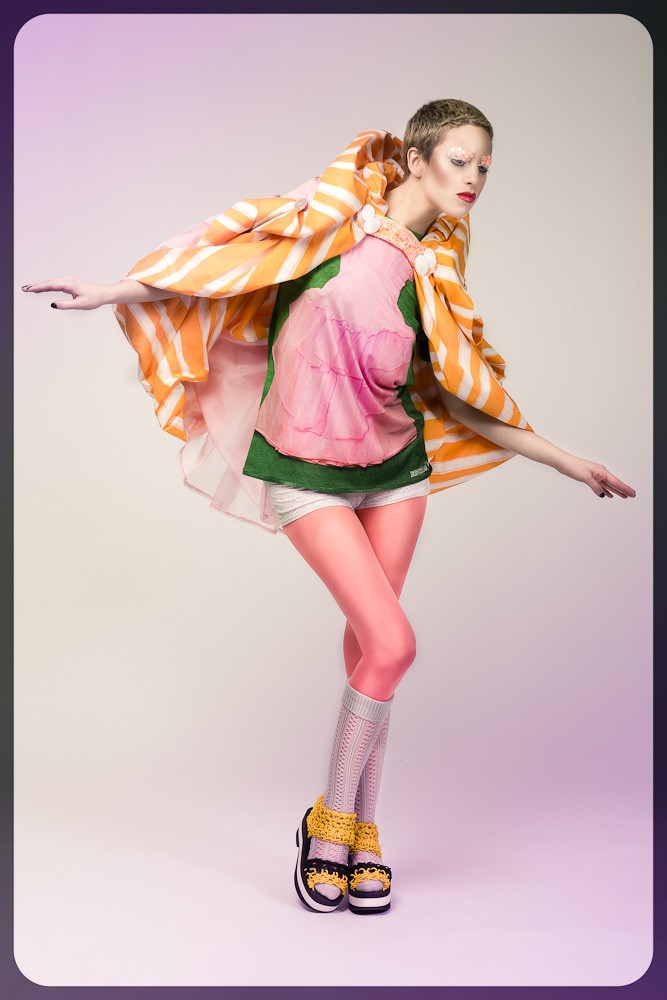
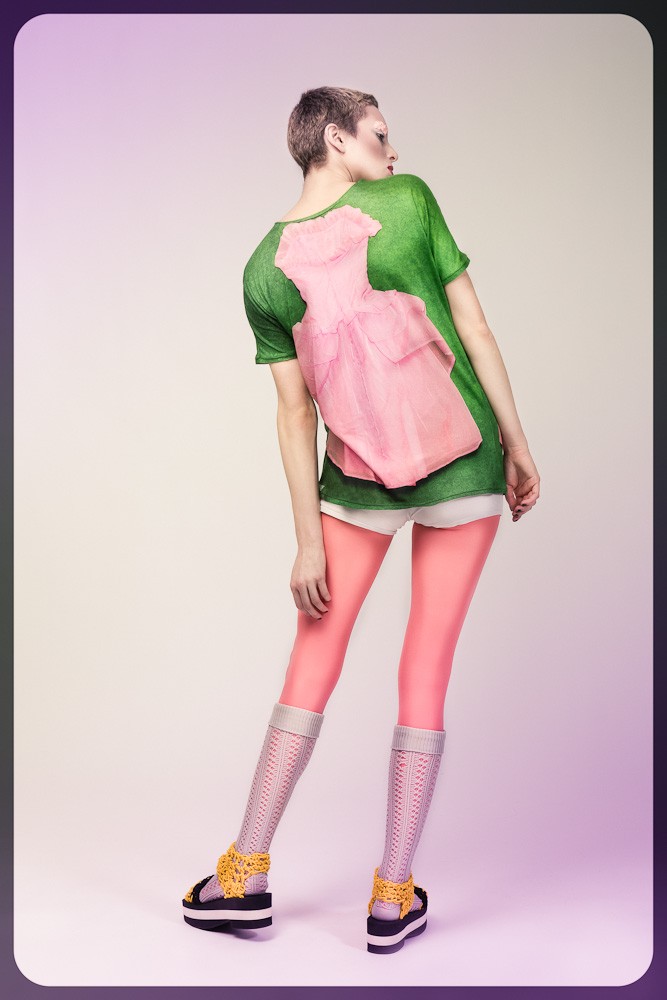
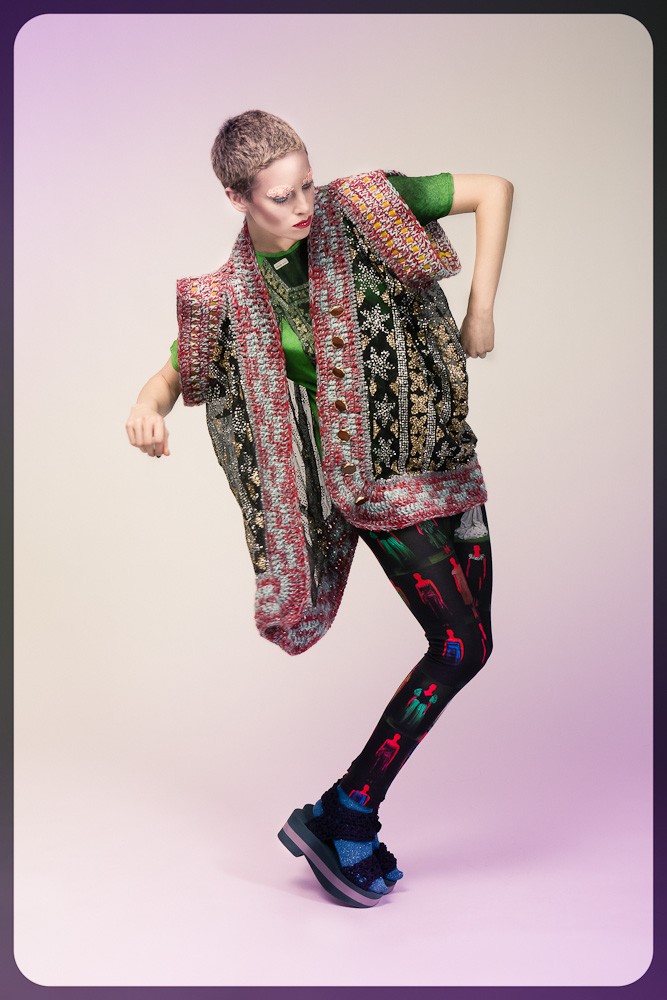
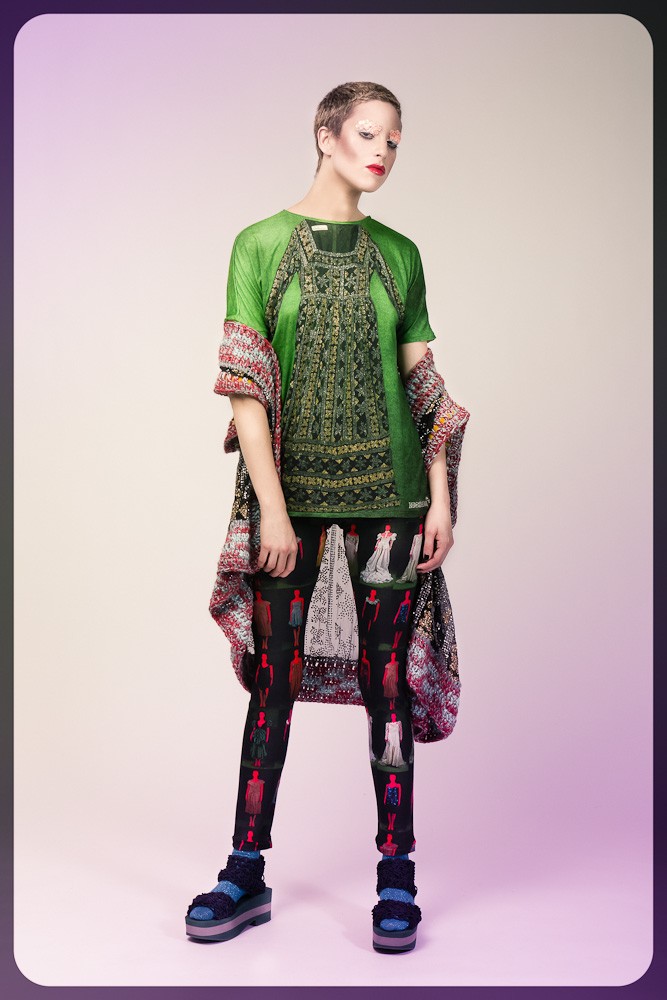
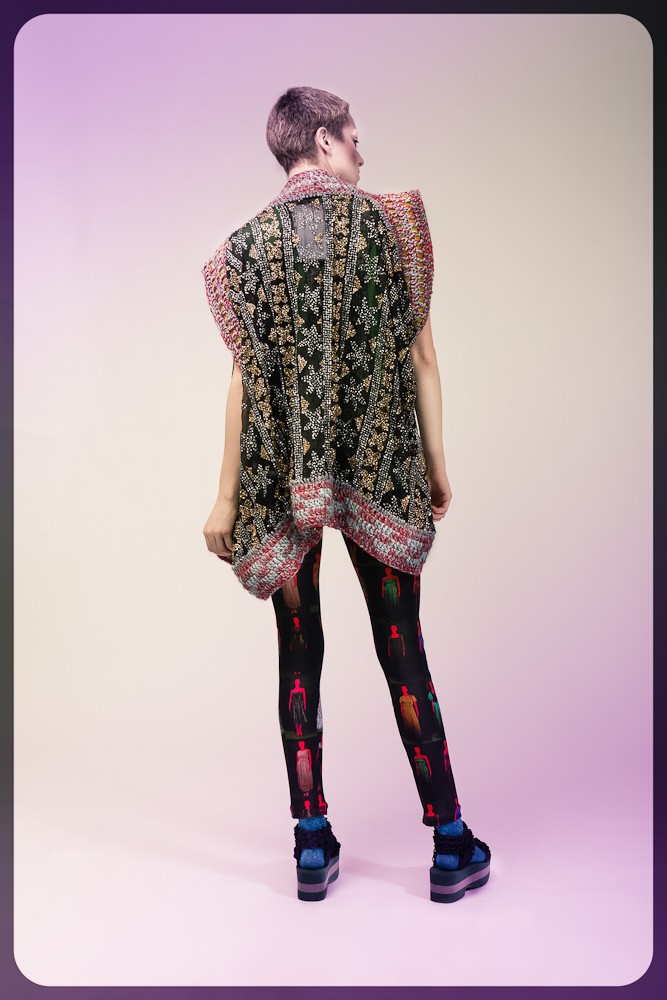
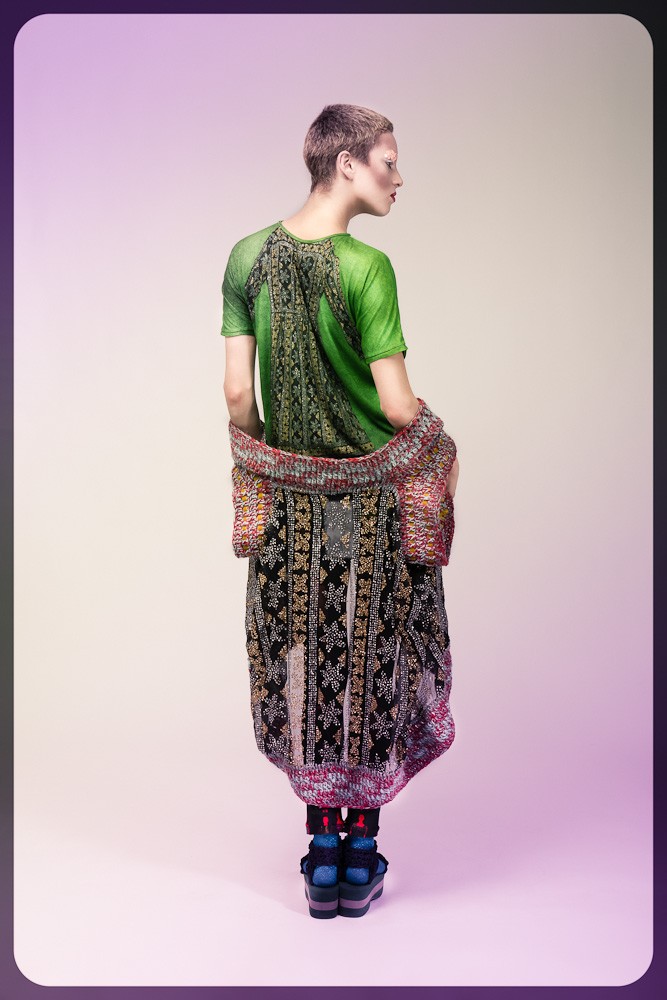
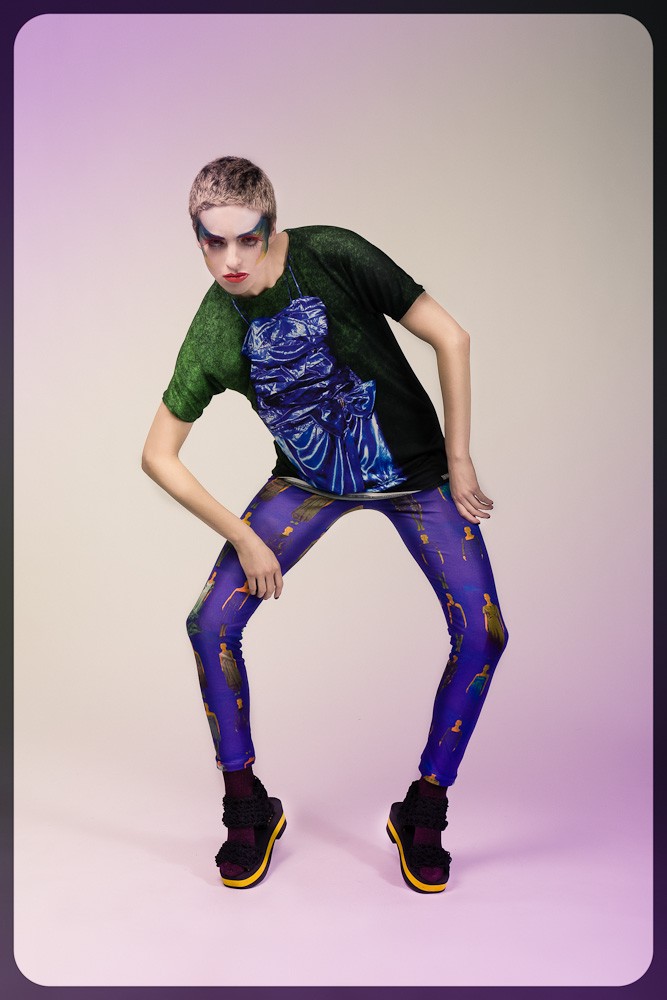
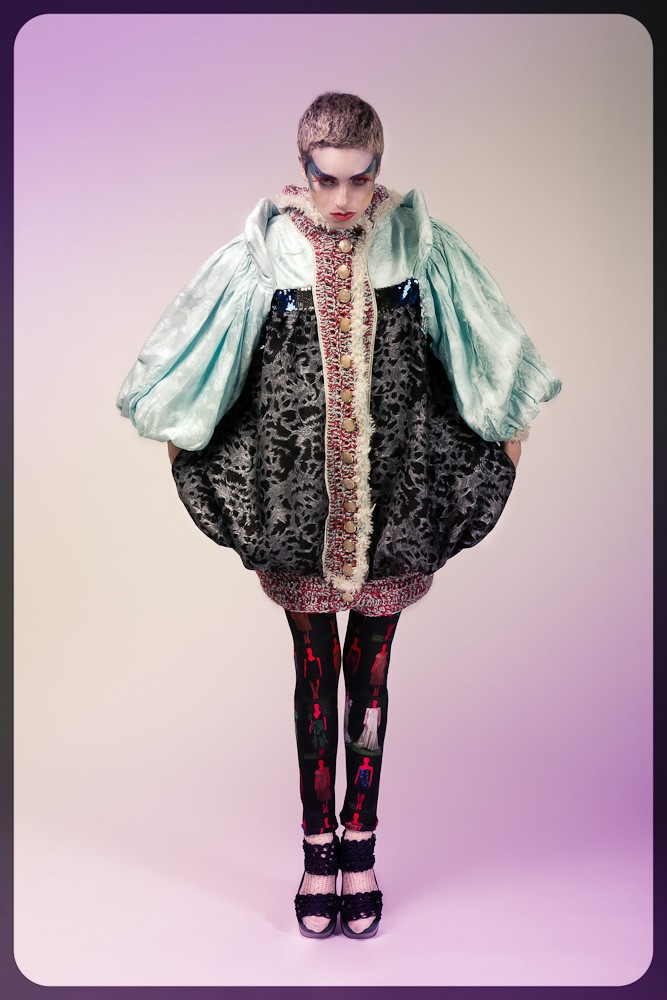
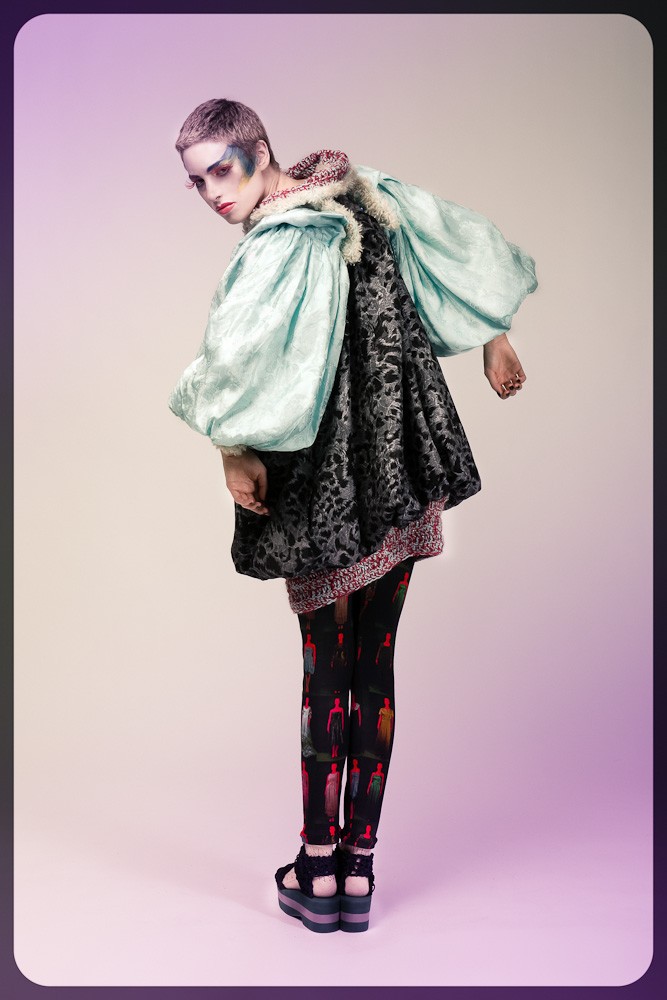
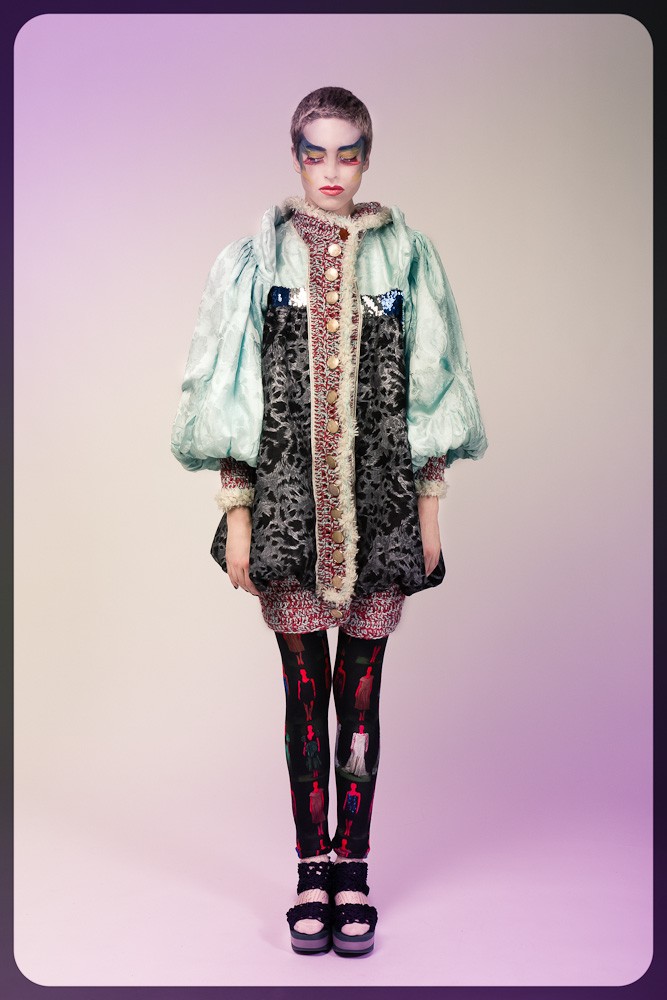
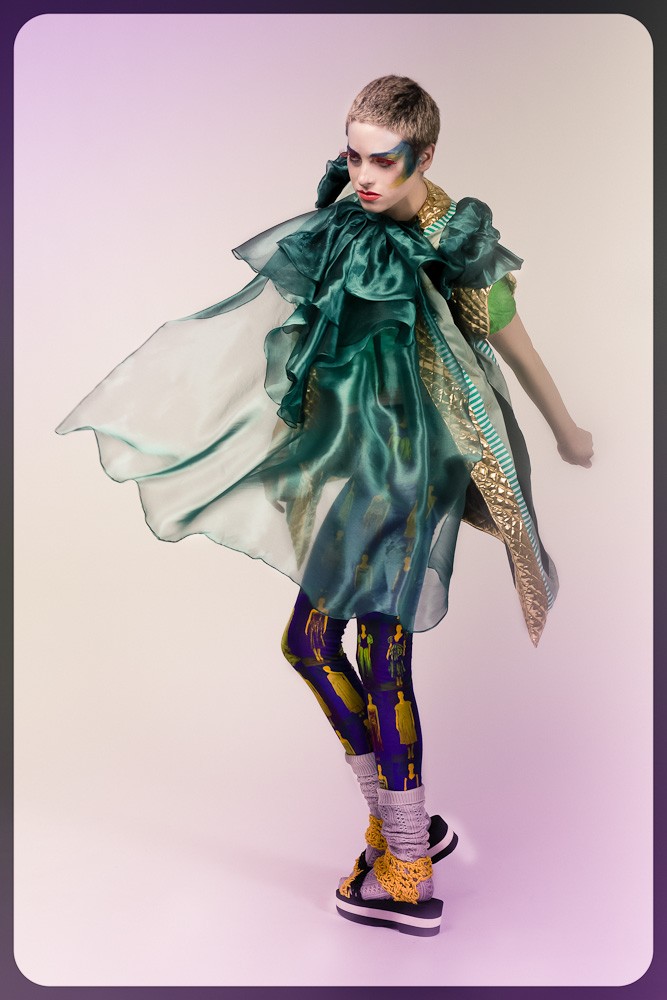
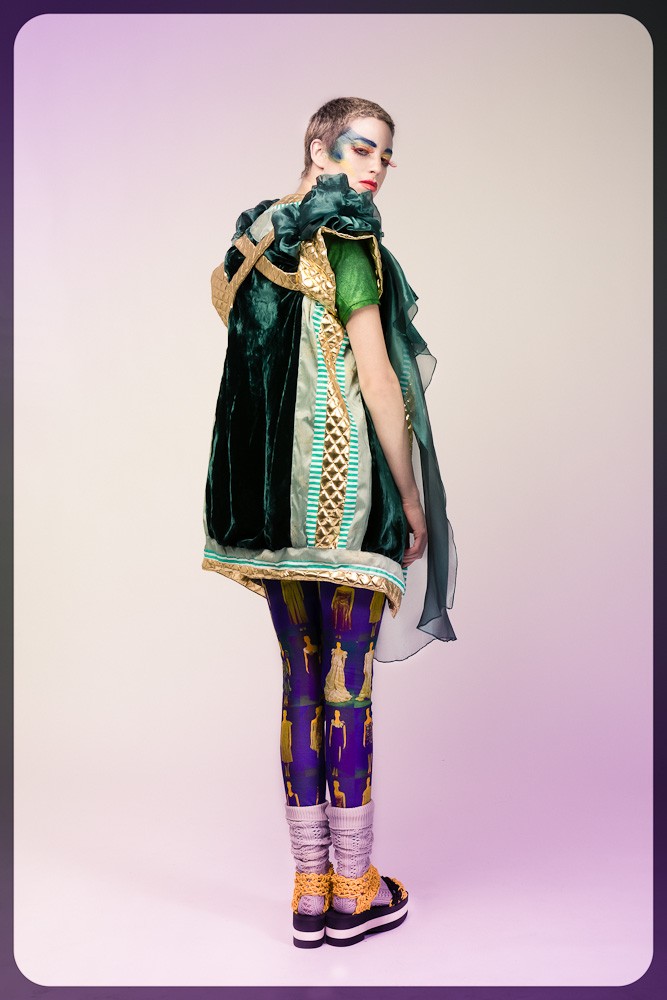
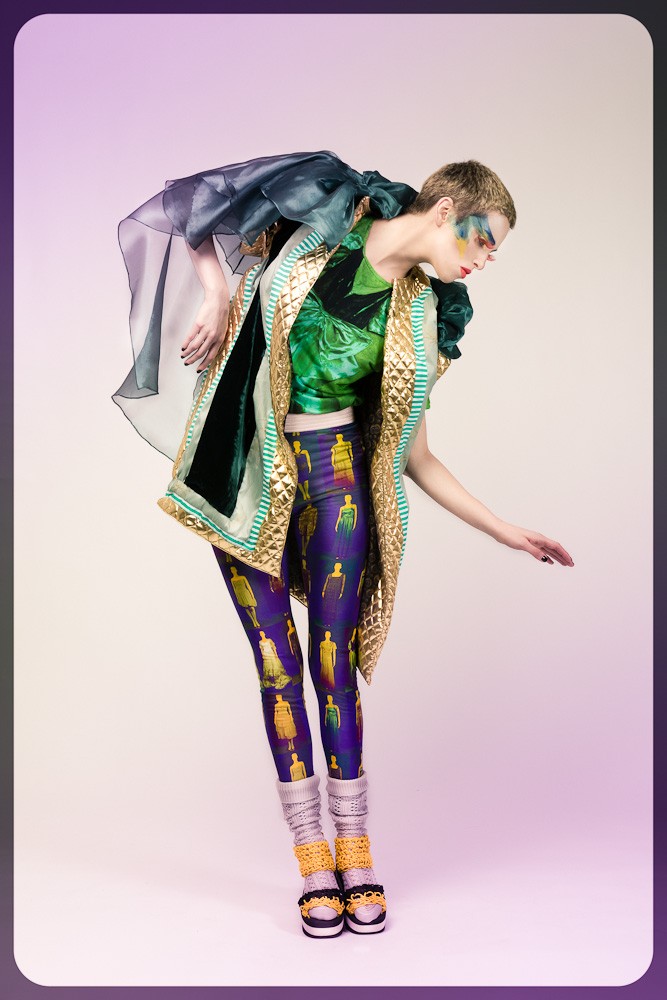
With 99 Robes de Bal, Tata Christiane enters the world of ceremonial clothing through a gesture that is both tender and unruly. Built from a donation of vintage ball gowns, this collector collection transforms dresses once destined for grand entrances, formal dances, and fleeting moments of spectacle into something more unstable, expressive, and emotionally alive.
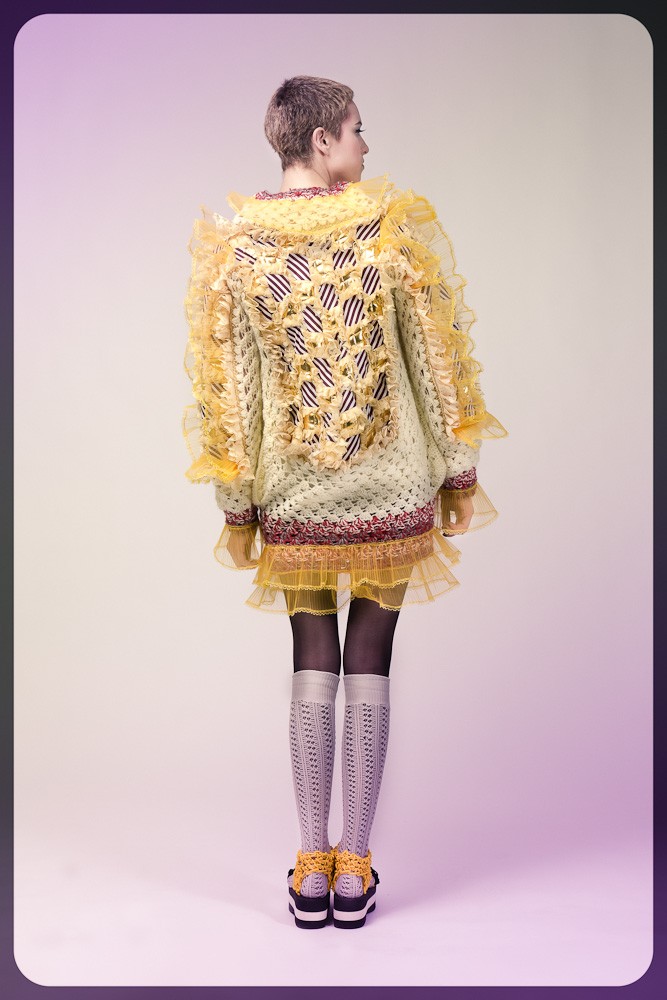
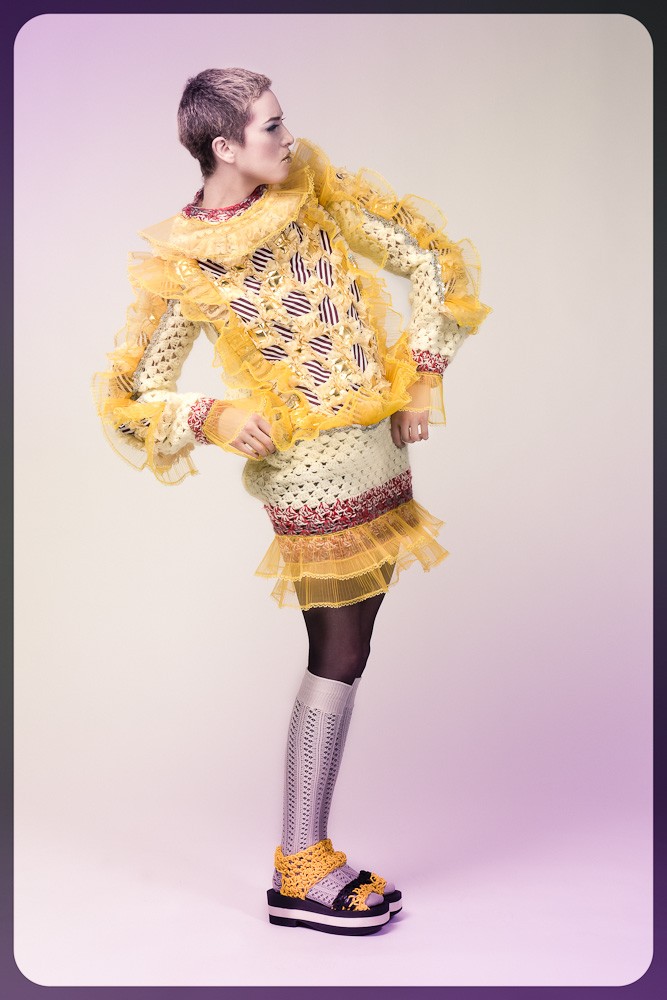
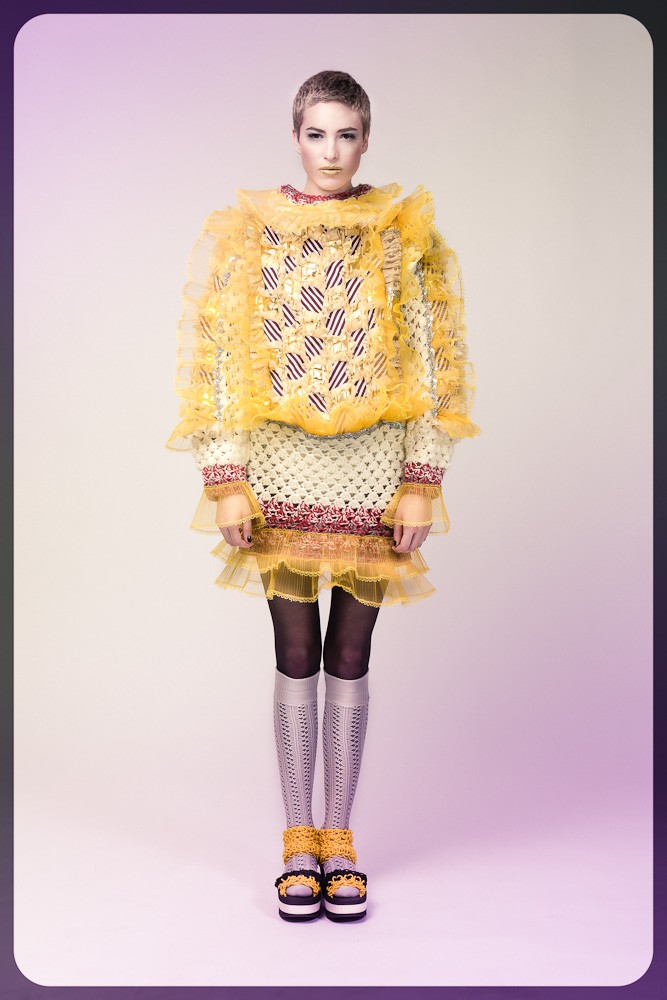
Presented as Collector AW12/13, the collection appears in the Tata Christiane archive with photography by Valquire Veljkovic, make up by Nicole Constance Murek, and model Megg Morales. The archive page itself already carries the atmosphere of the project: an encounter between fashion, memory, and reinvention. You can discover the collection here: 99 Robes de Bal archive page.
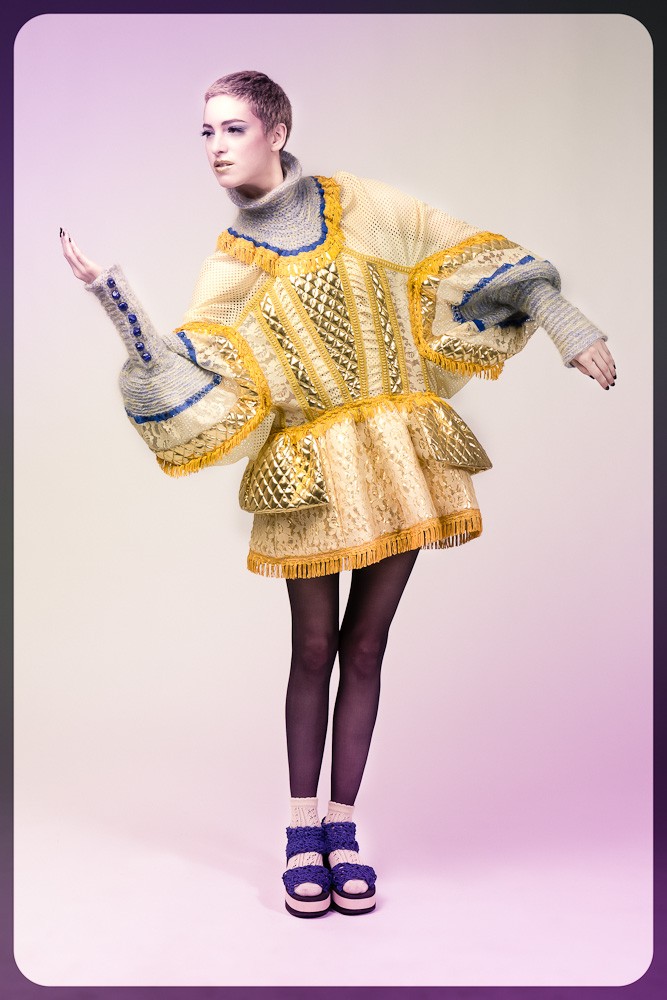
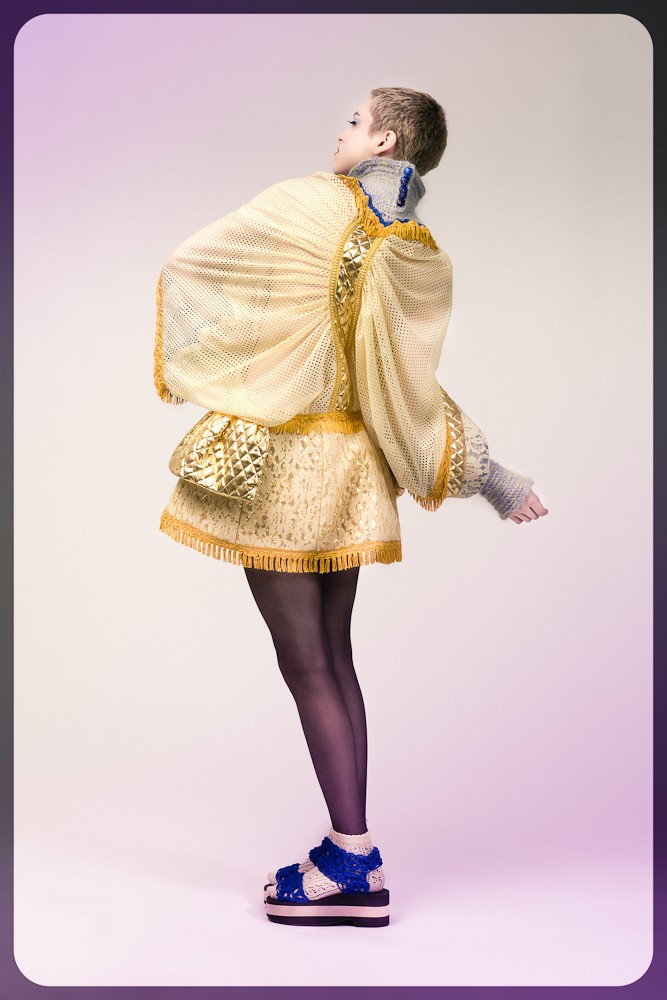
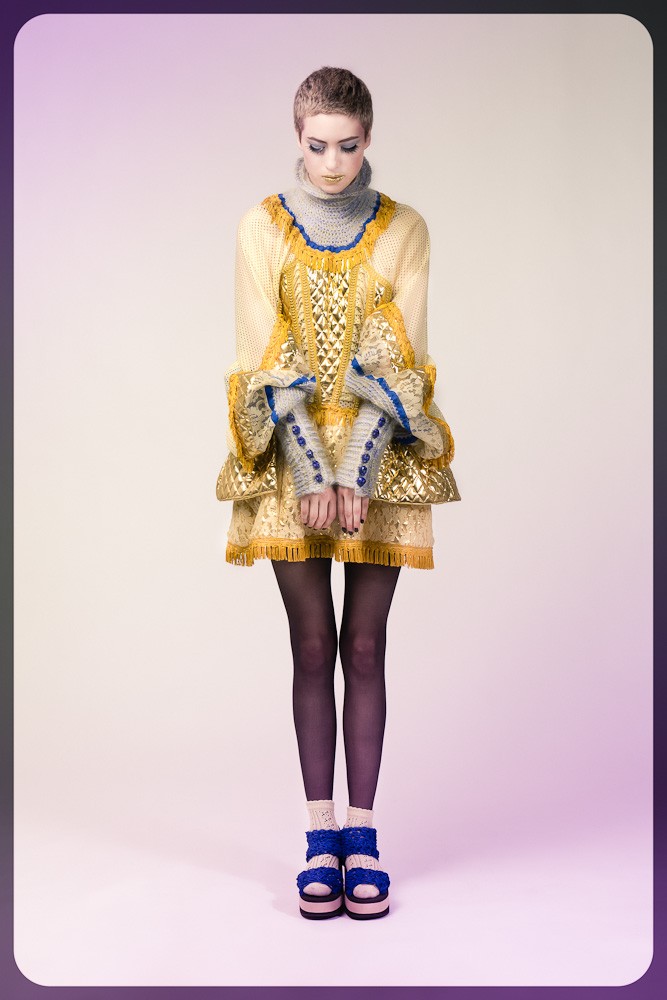
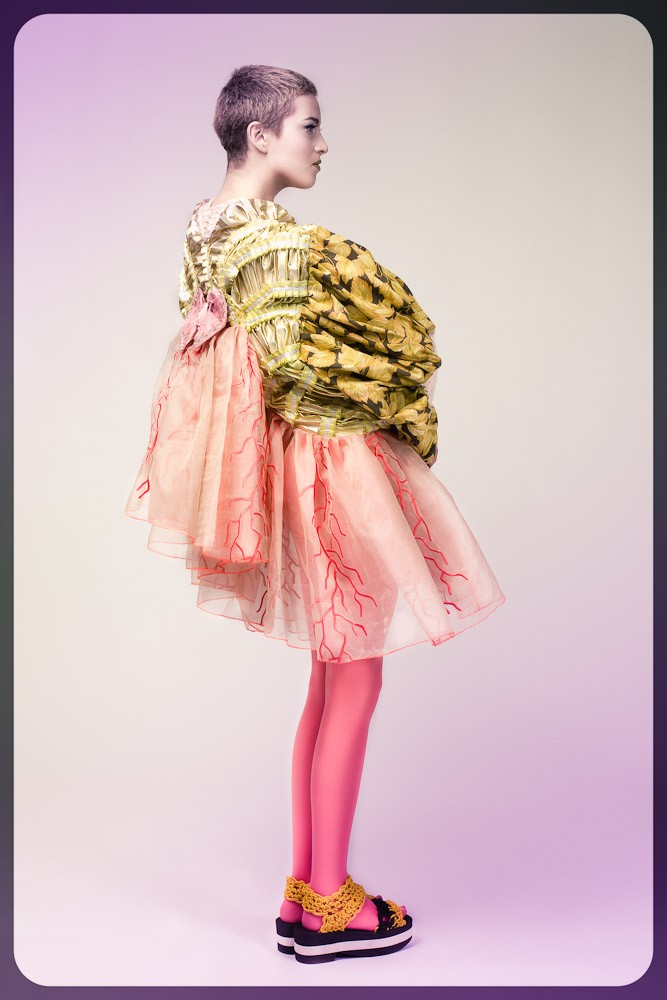
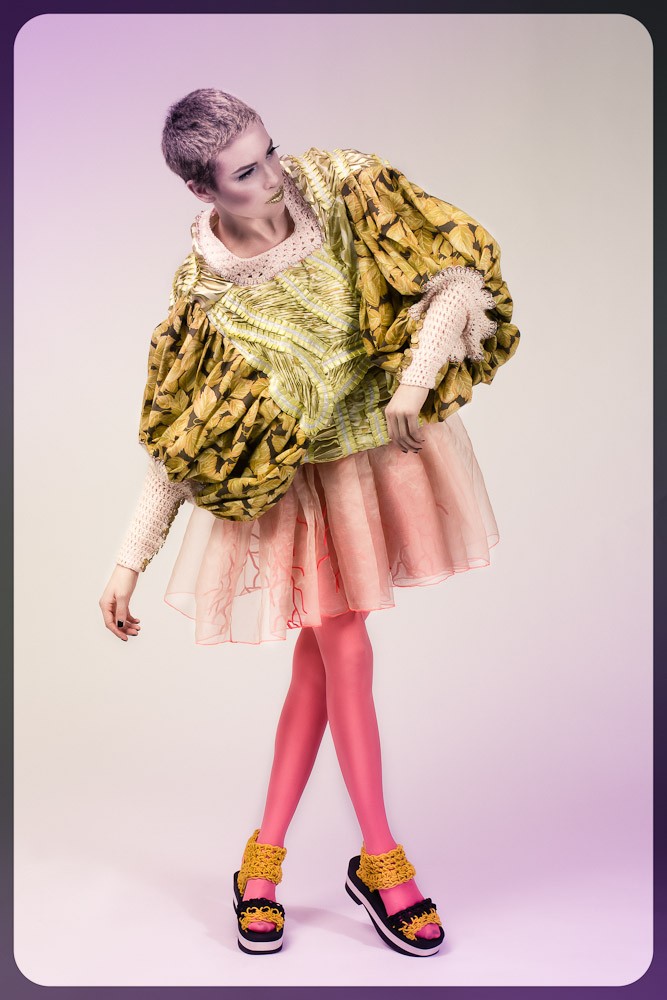
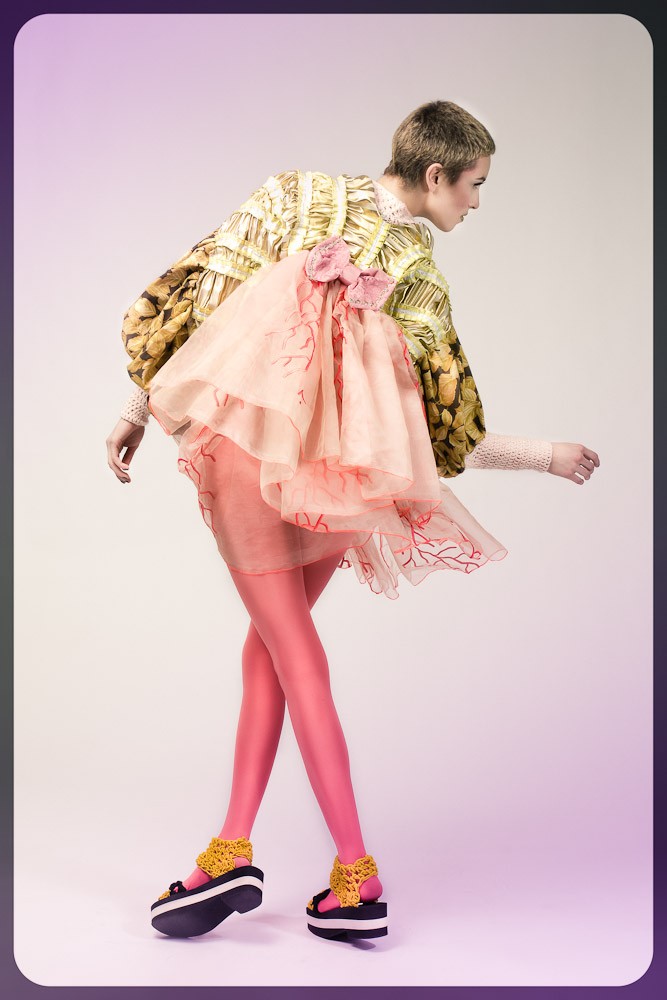
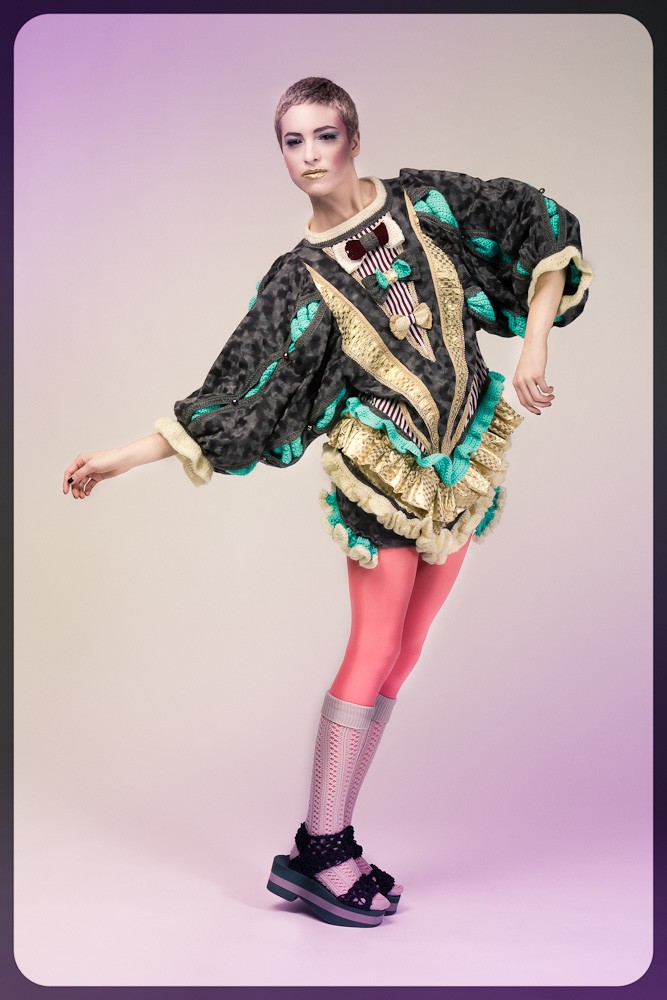
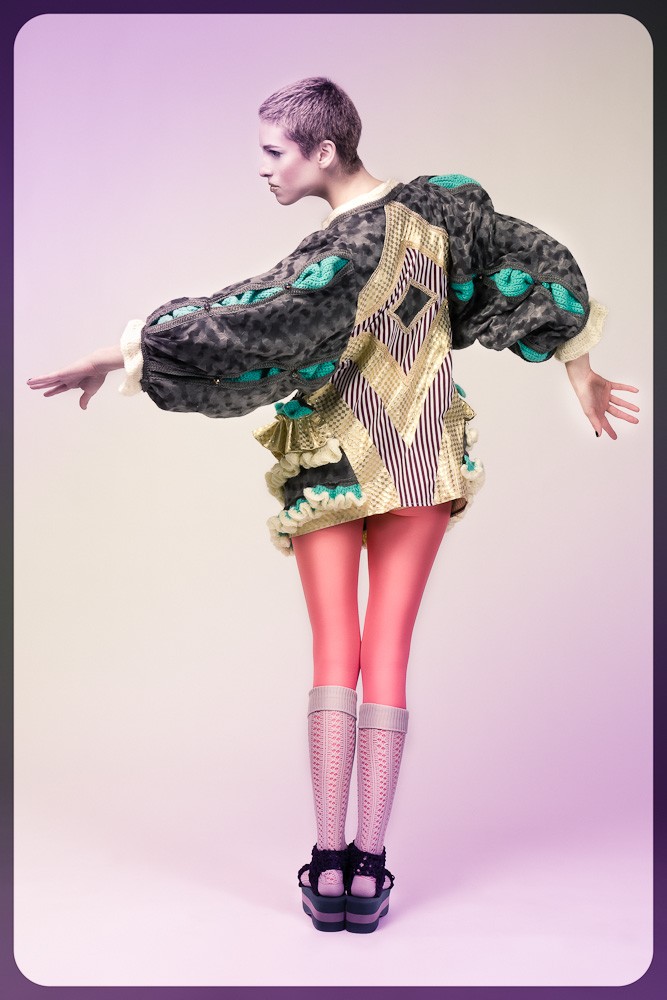
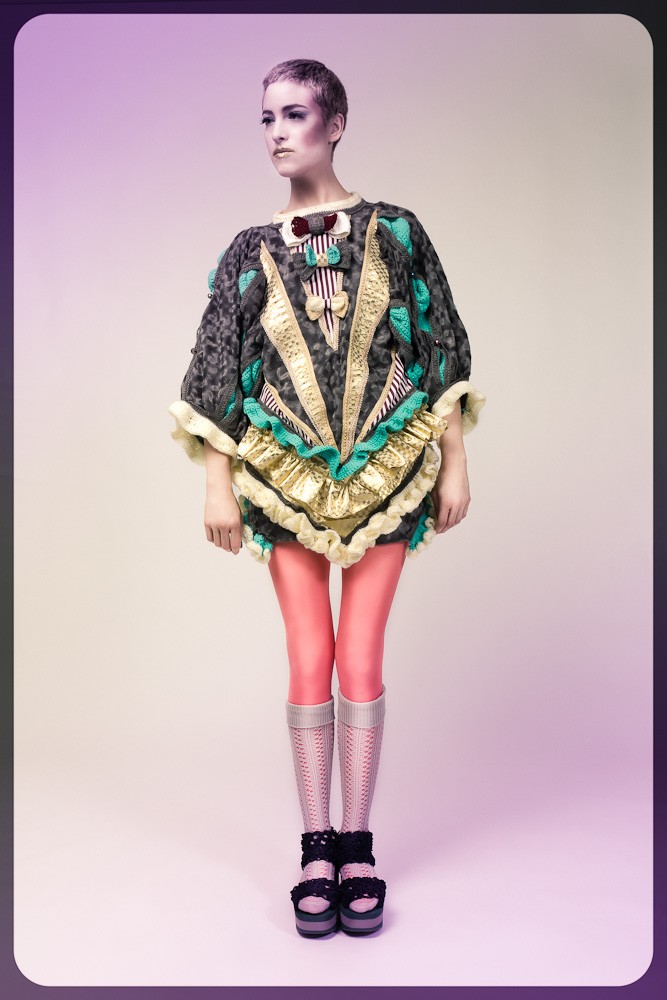
A Dialogue Between Fashion and Image
This collection was created in collaboration with guest stylist and designer Raki Fernandez, whose practice moves fluidly between styling, design, costume, and visual narration. That wider language of image making gives 99 Robes de Bal a very particular energy. The dresses do not appear as simple archive garments or nostalgic references. They become characters. They seem to have already lived, and yet to be just arriving.
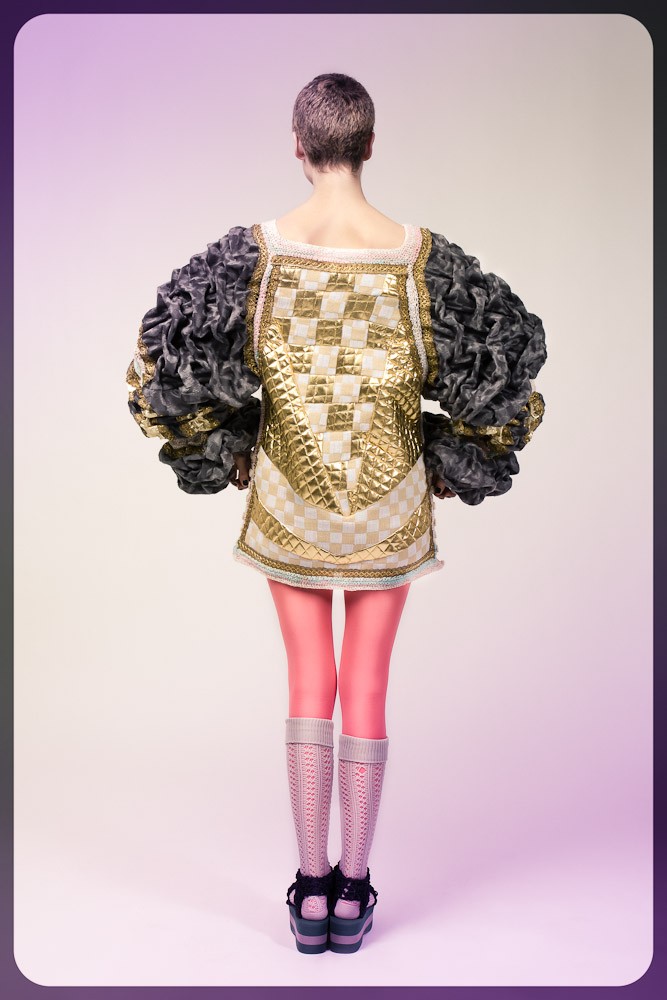
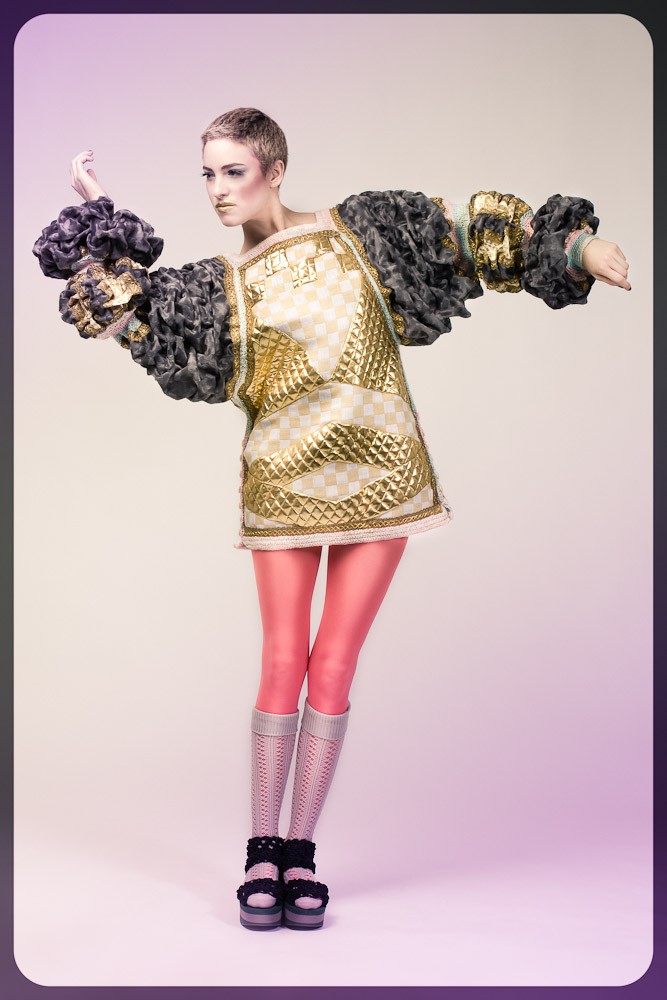
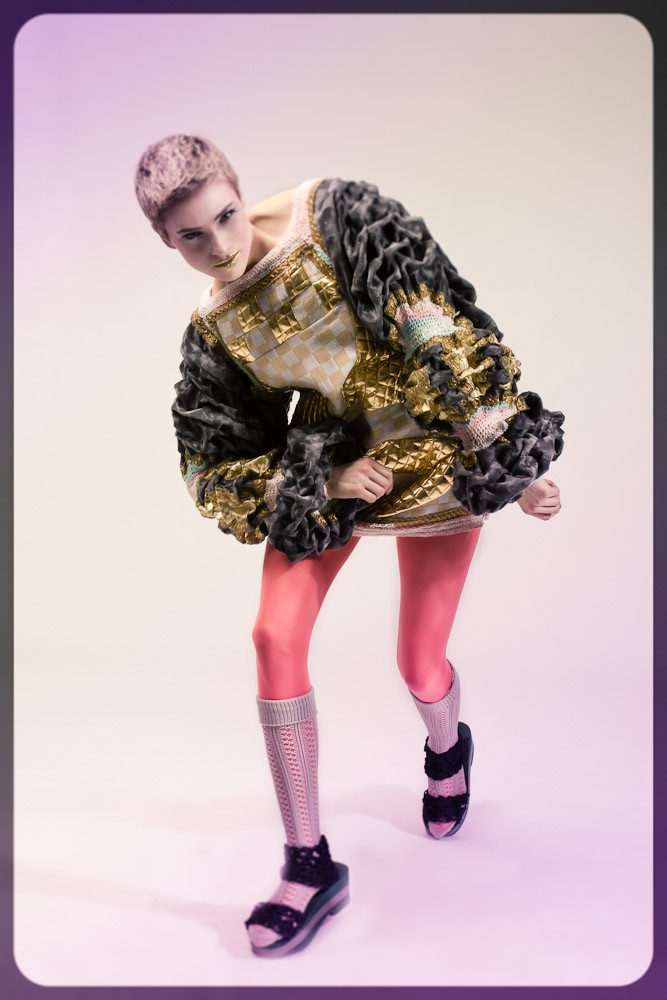
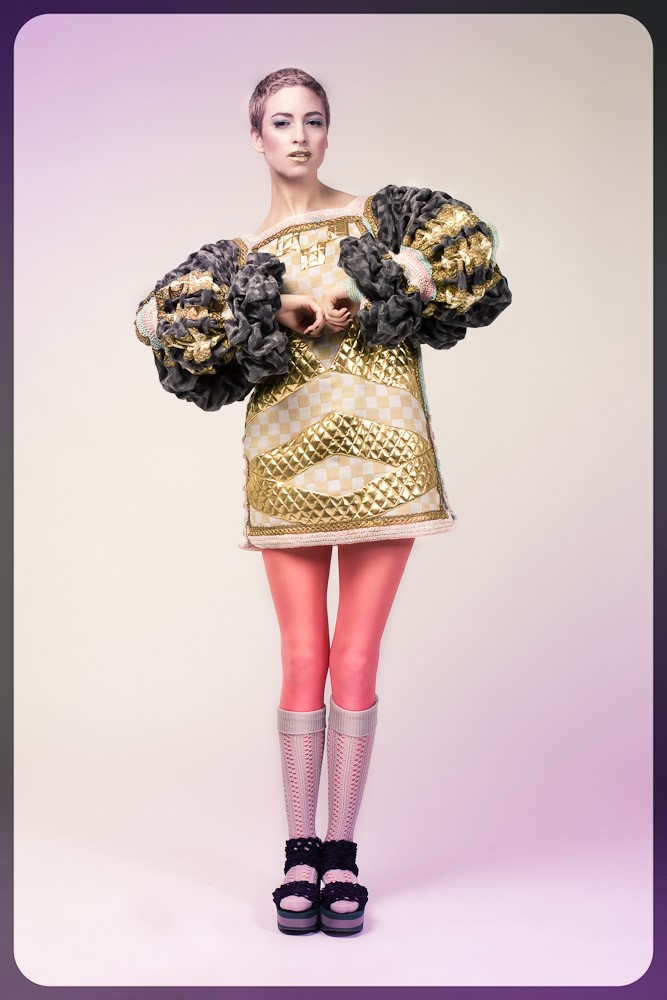
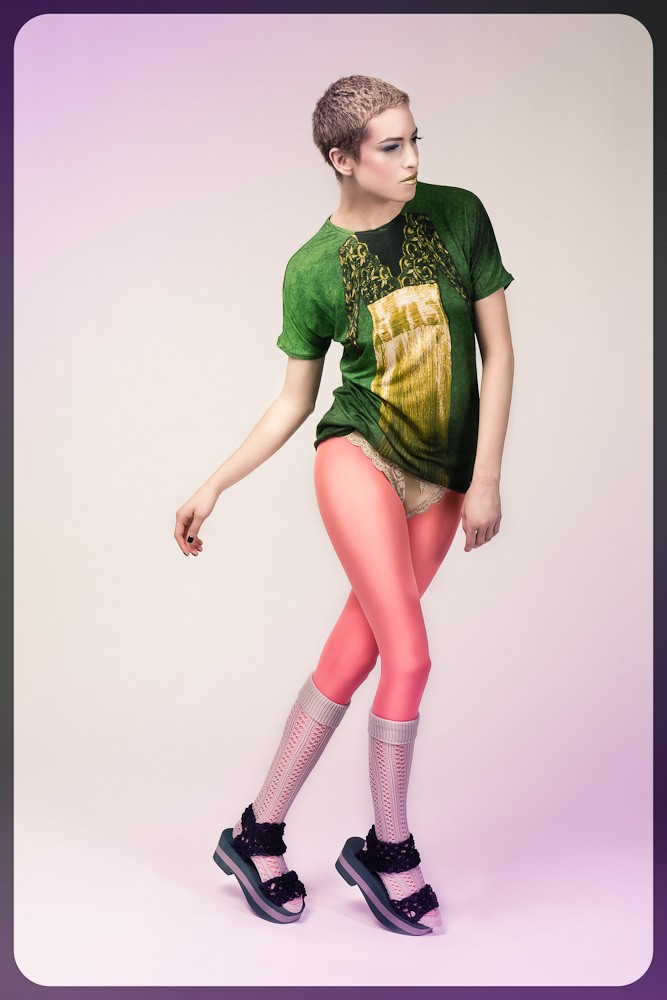
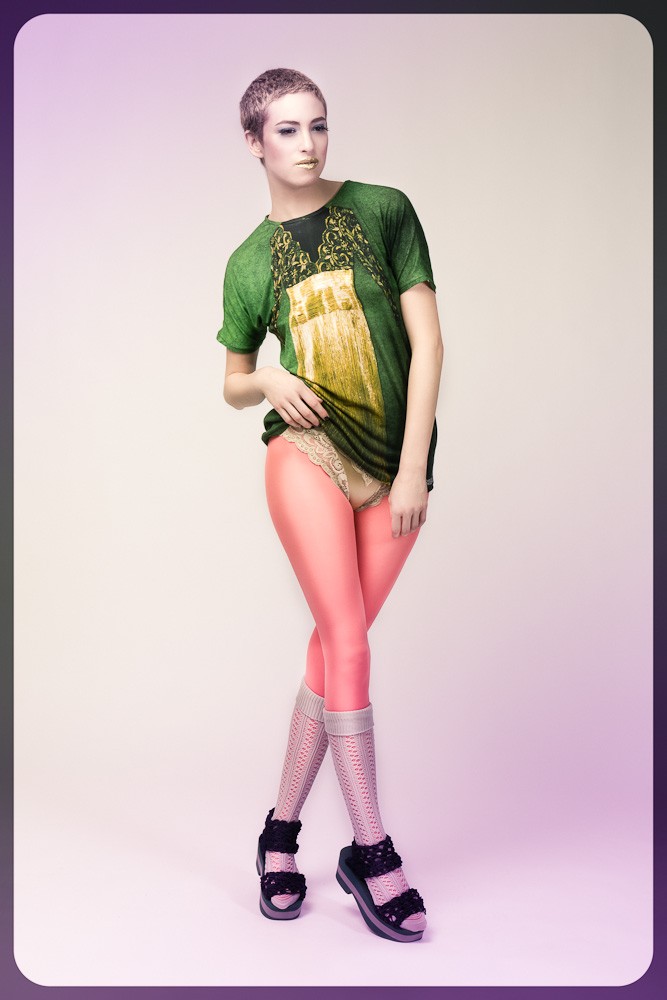
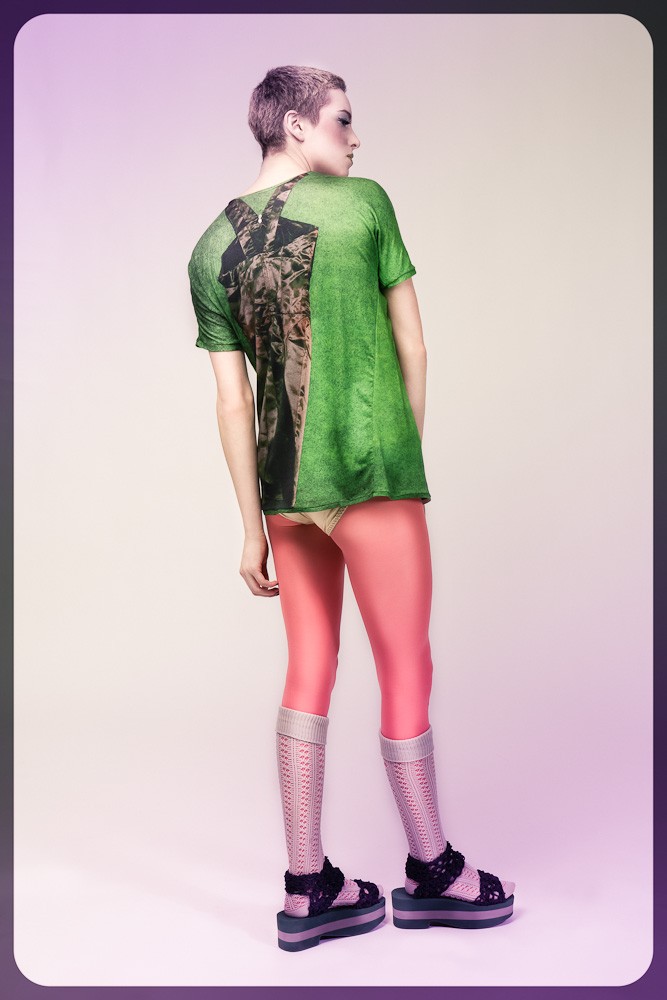
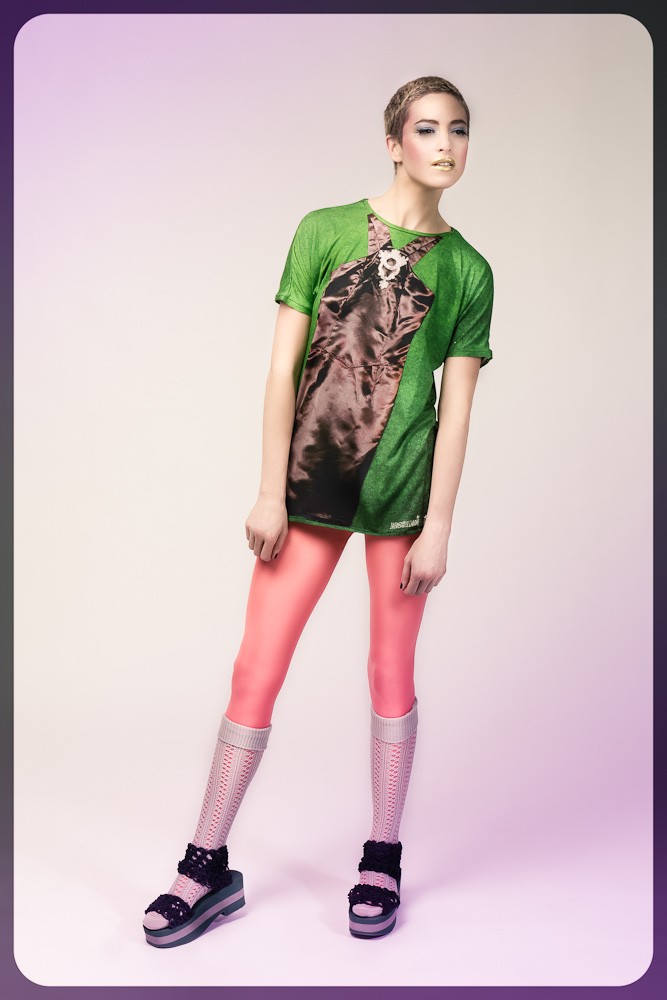
The presence of Raki Fernandez within the project opens the collection toward a more cinematic reading. There is something about these silhouettes that feels suspended between dressing room, backstage, ceremony, and dream. You can explore more of that visual universe through Raki Fernandez.
When the Ball Gown Leaves the Ballroom
The title itself, 99 Robes de Bal, carries a kind of beautiful excess. It suggests multiplicity, repetition, archive, obsession. Not one dress, but many. Not one fantasy, but a whole crowd of them.
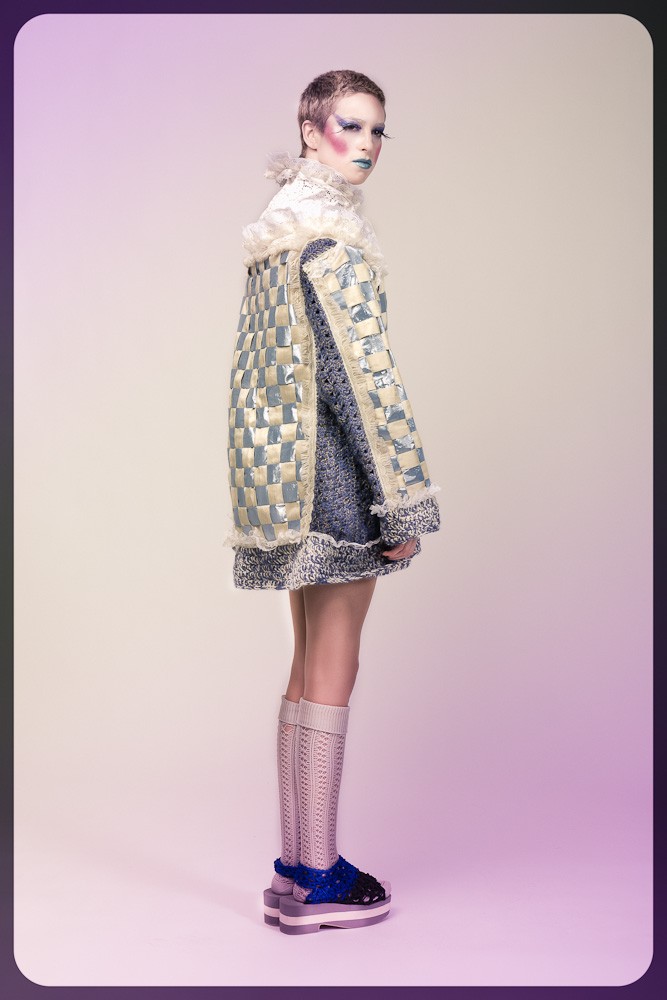
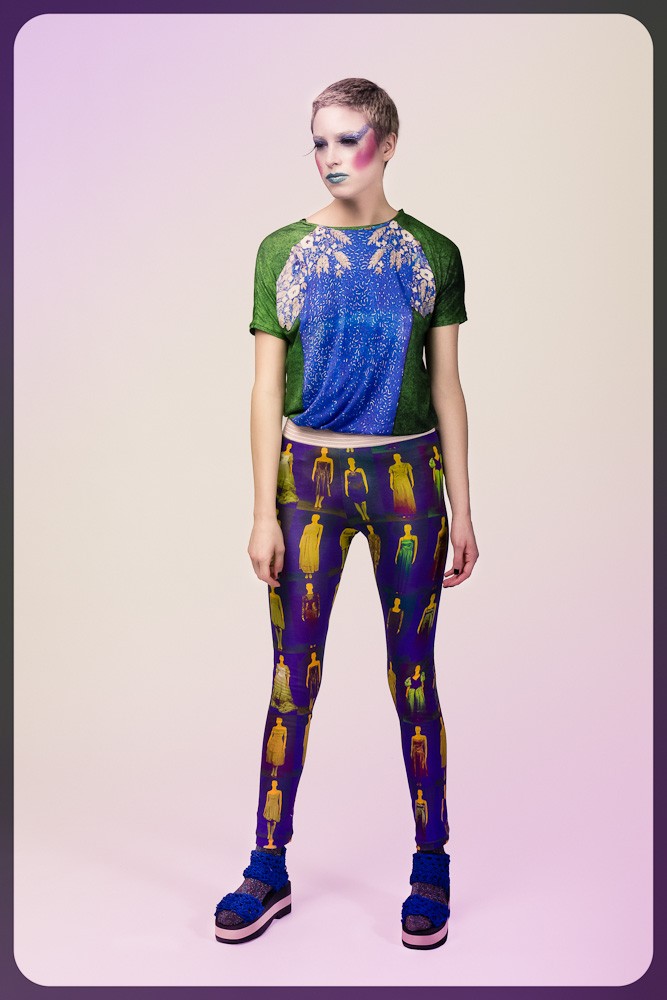
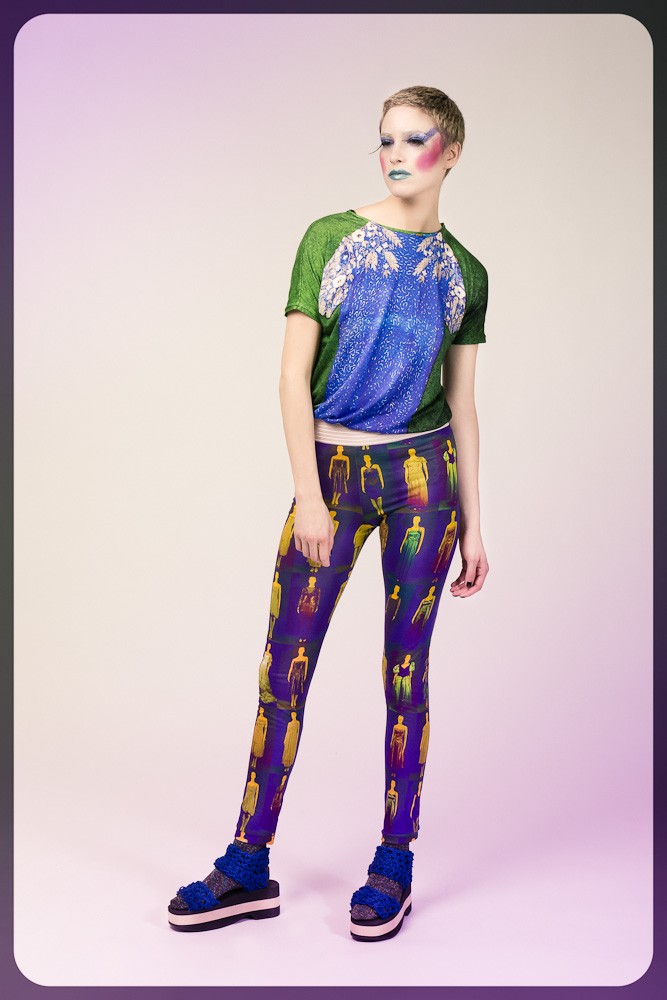
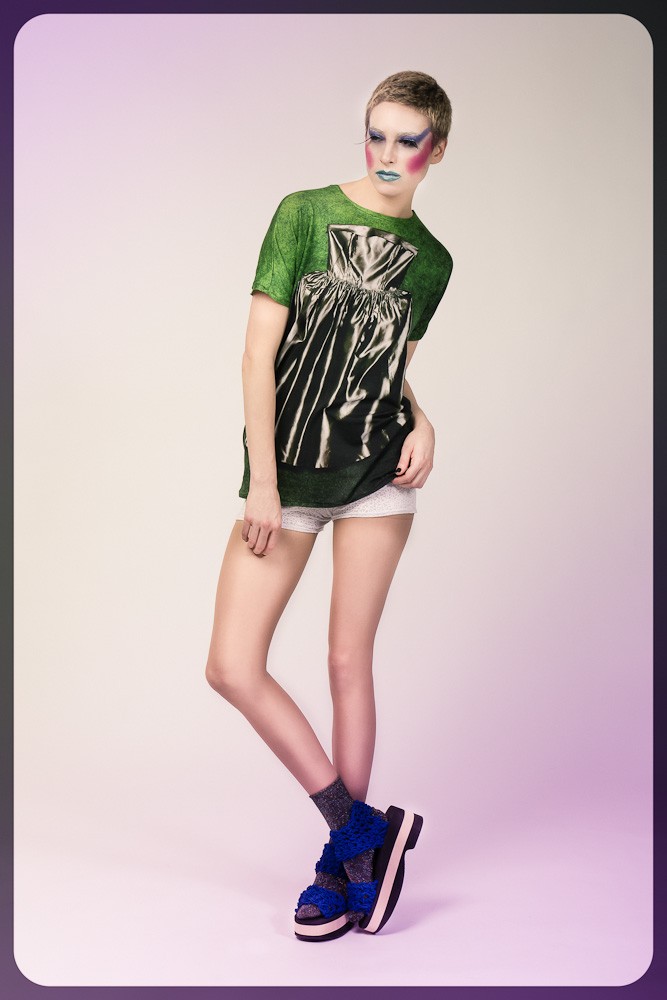
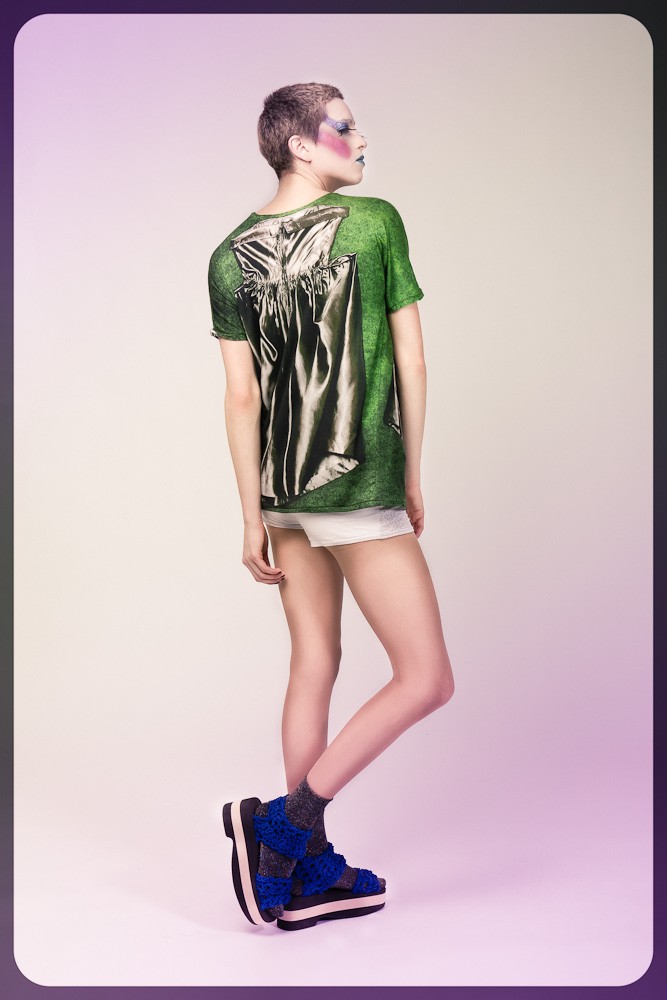
The ball gown has long belonged to a world of ritual, performance, and coded elegance. Historically, such garments were designed not only to clothe the body, but to stage it. They shaped posture, silhouette, and social presence. They belonged to evenings of visibility, to entrances, to carefully composed appearances. In that sense, a formal dress is never just a dress. It is also a role, a projection, a memory in advance.
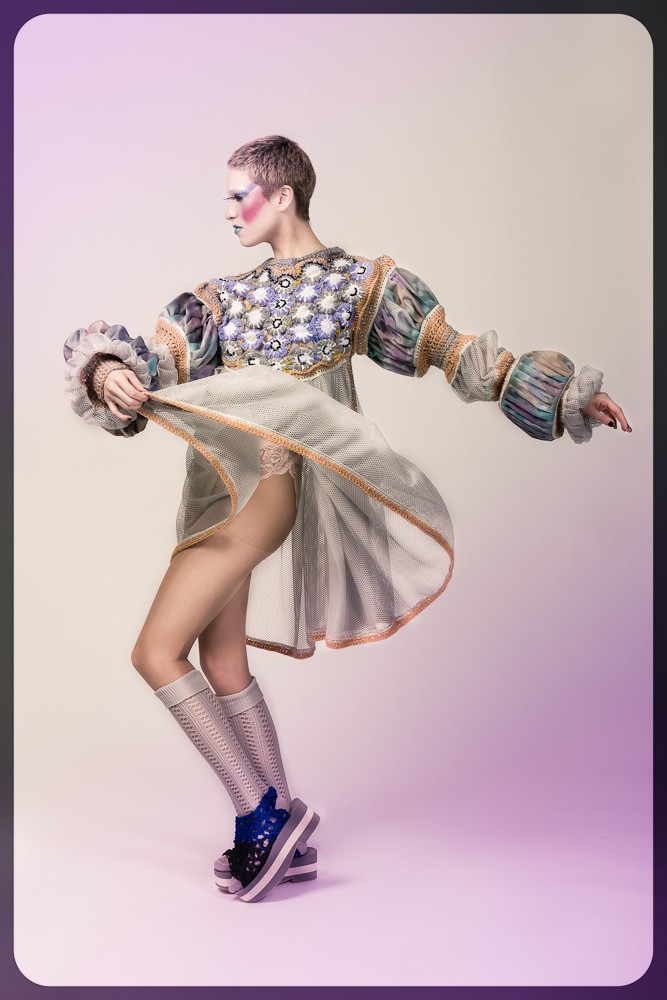
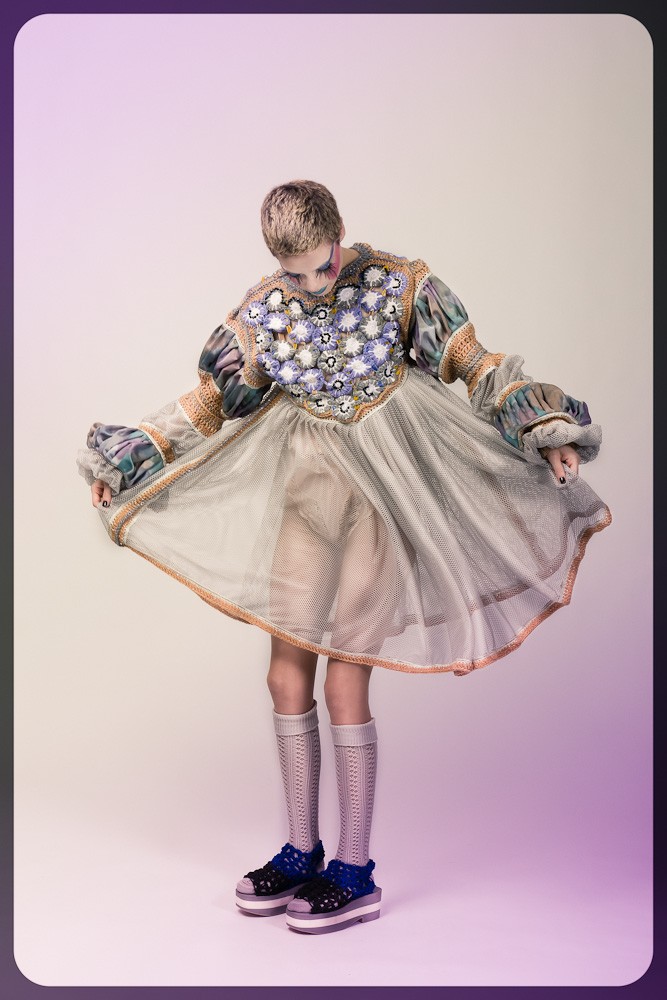
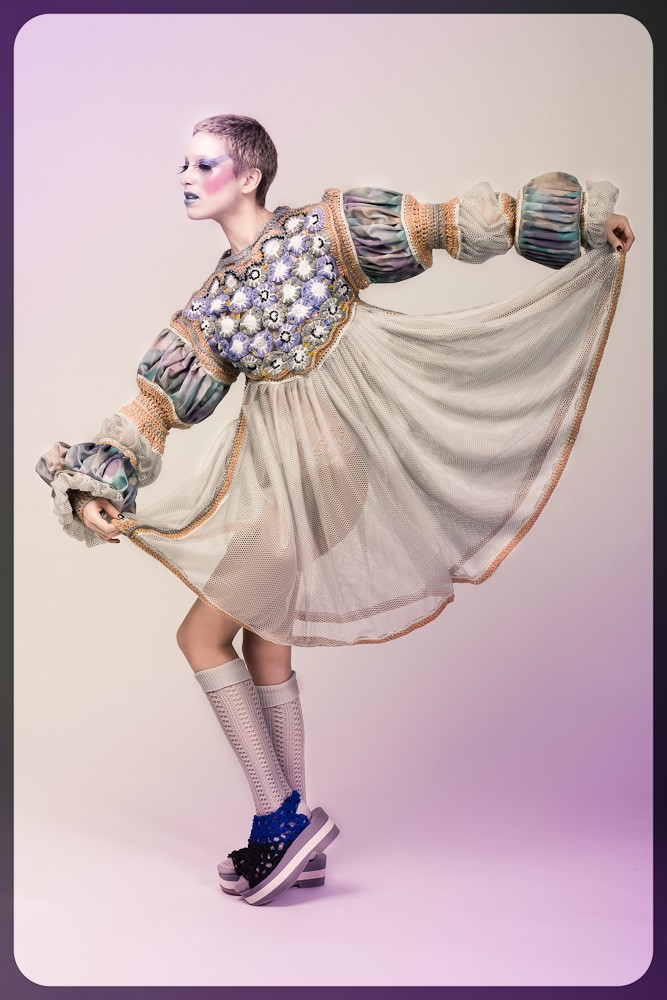
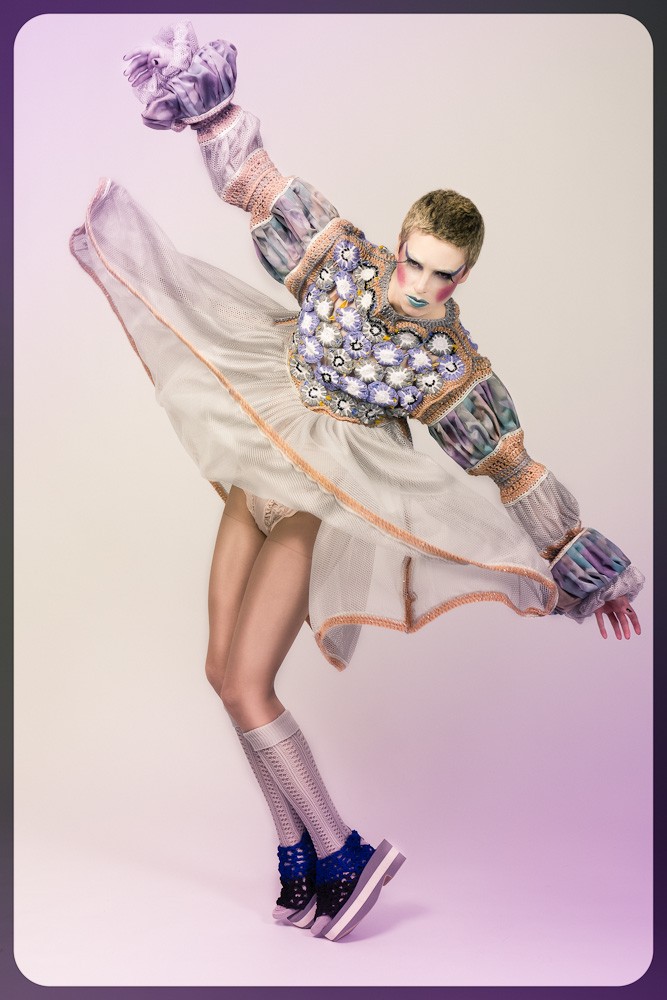
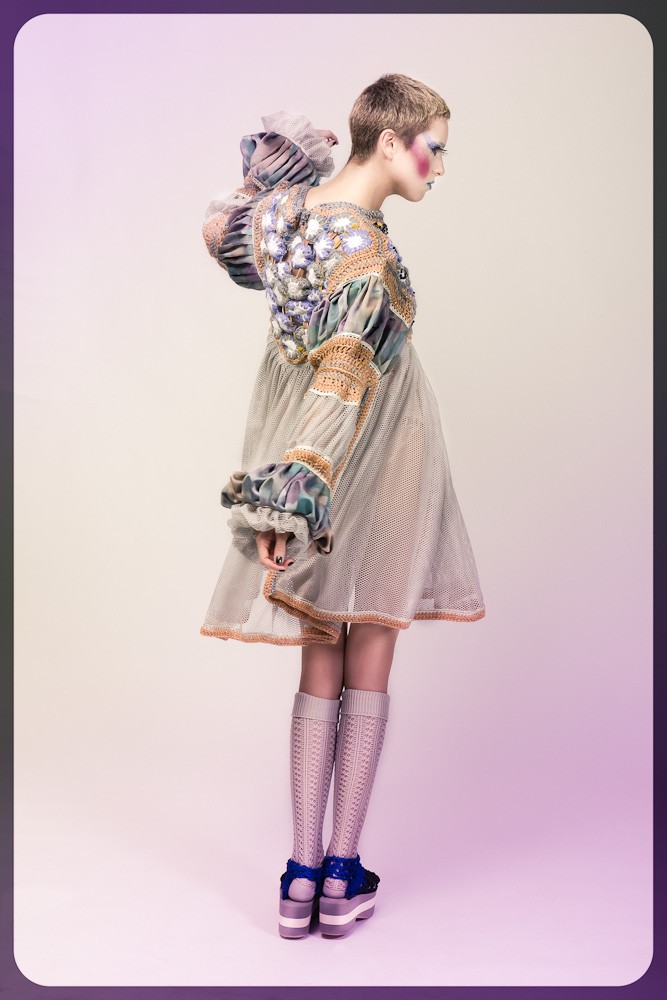
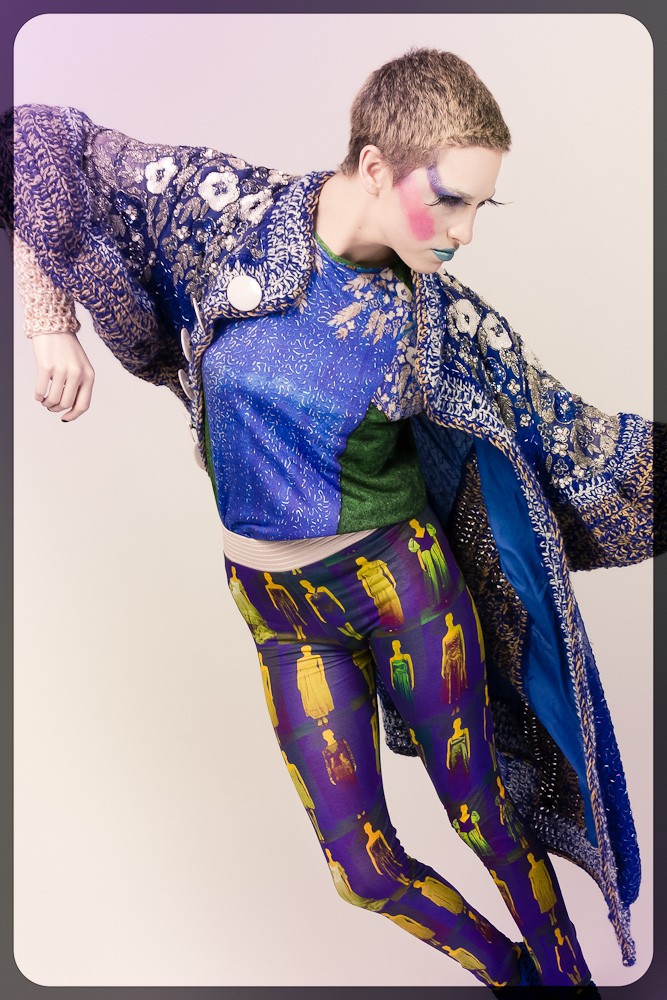
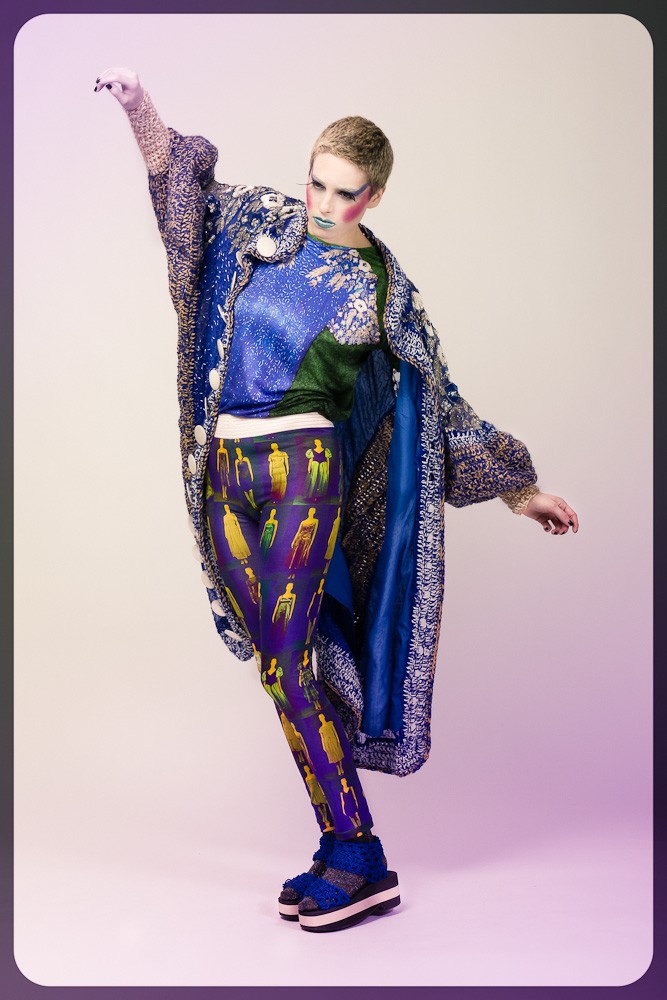
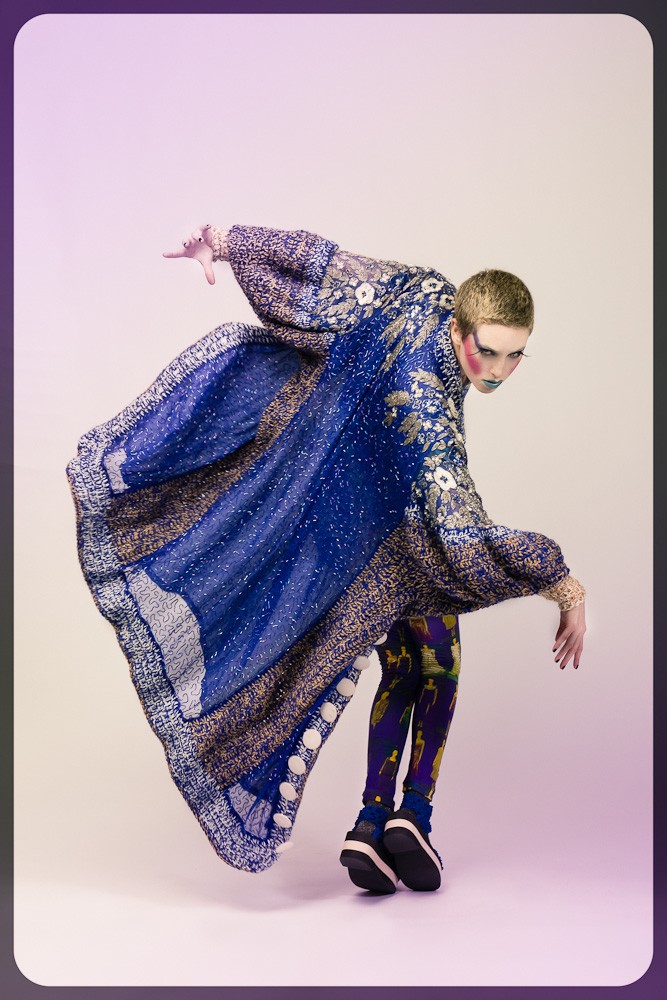
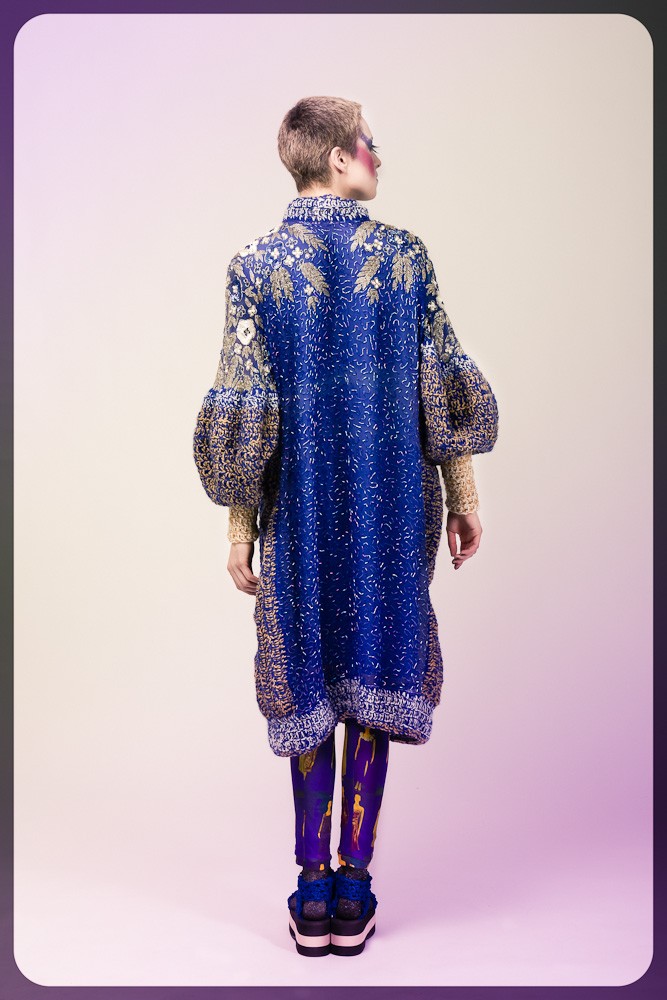
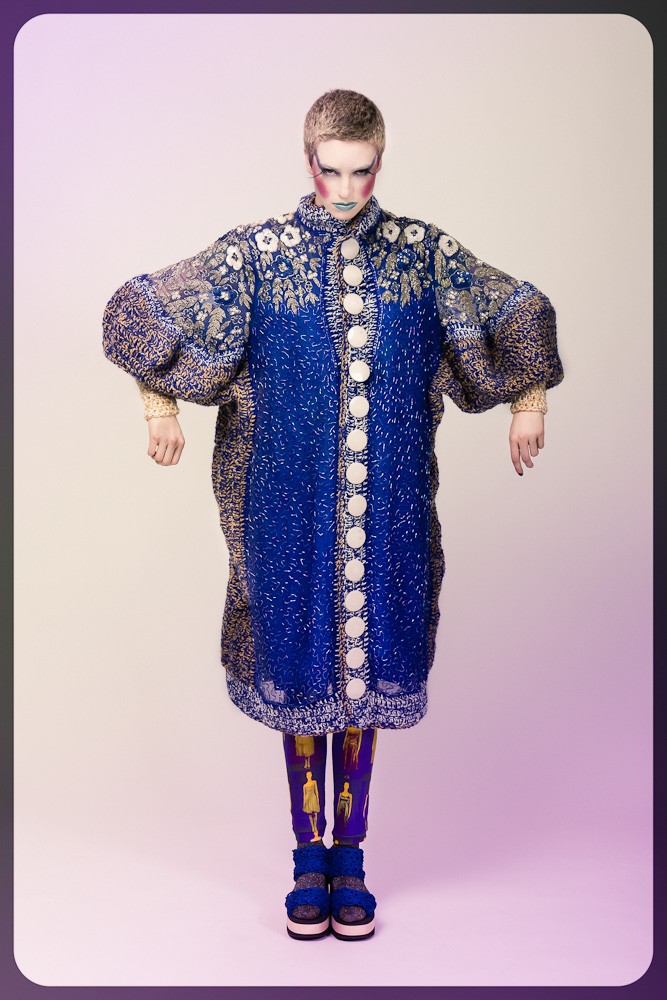
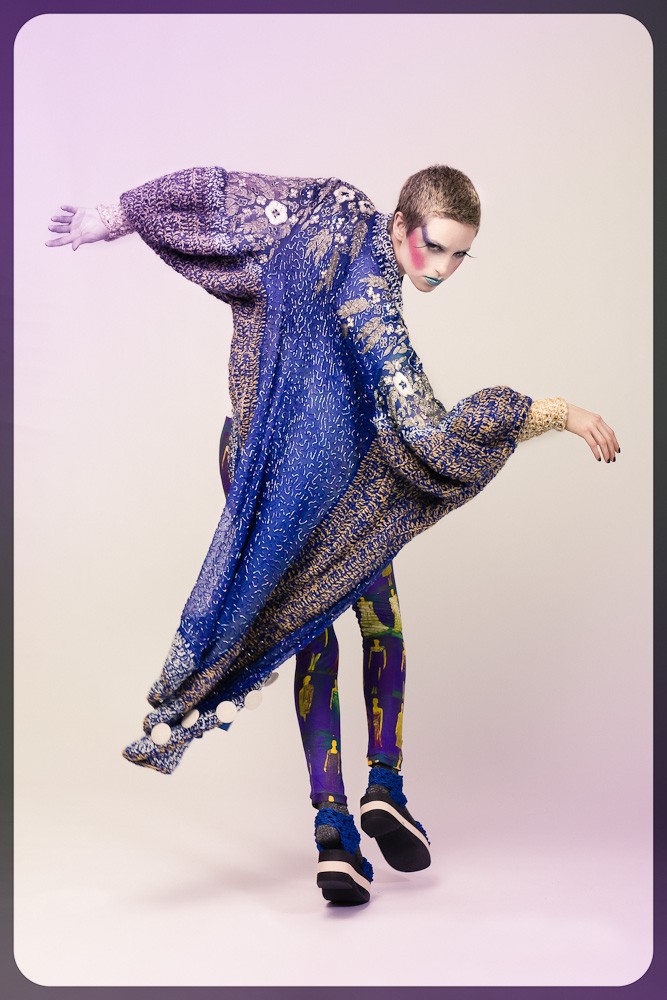
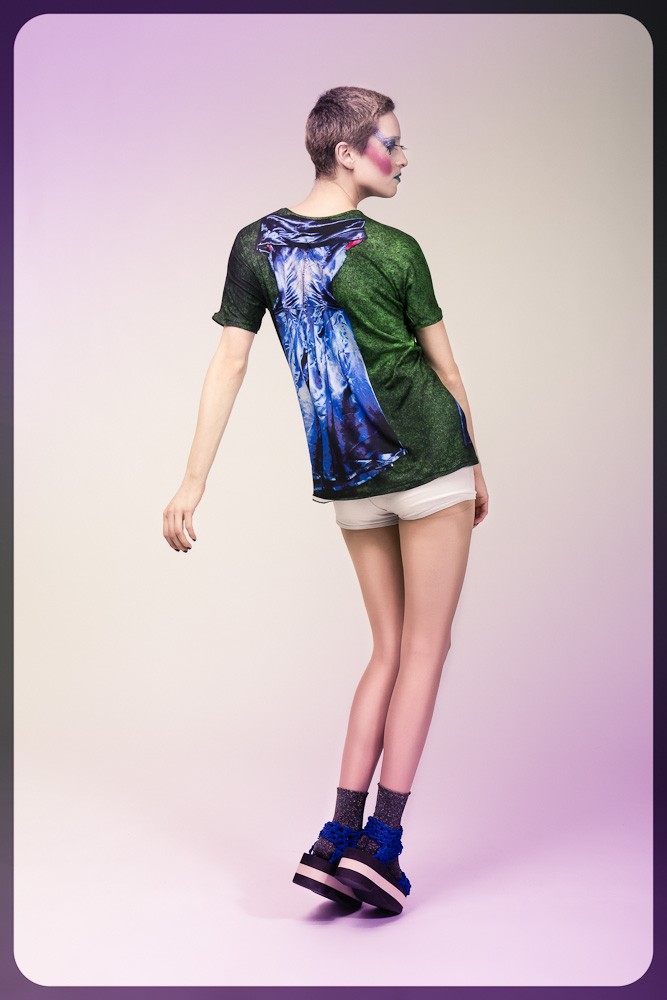
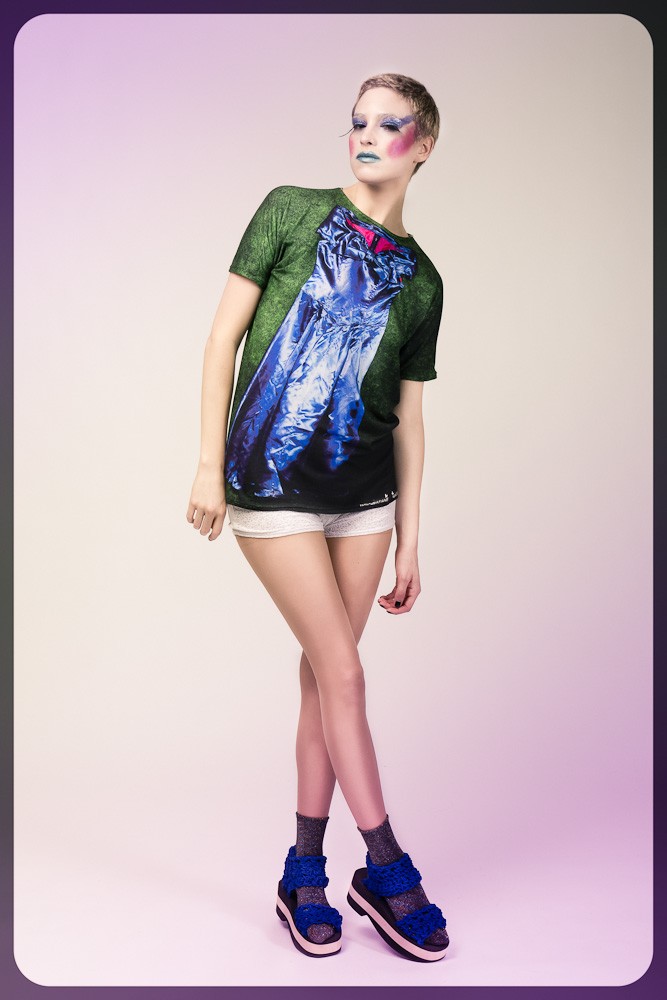
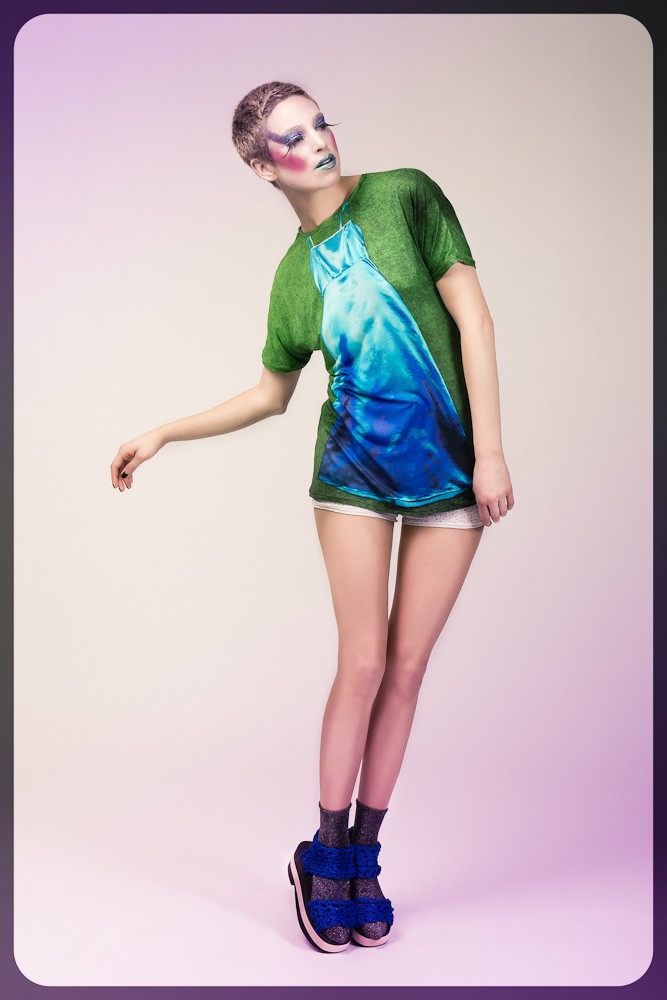

That is what makes 99 Robes de Bal so moving. Instead of preserving the ball gown in its traditional function, Tata Christiane shifts it into another emotional territory. The dress leaves the ballroom. It passes through the hands of upcycling and emerges elsewhere: stranger, freer, less obedient. It keeps some trace of its former glamour, but that glamour becomes porous, unruly, and human.
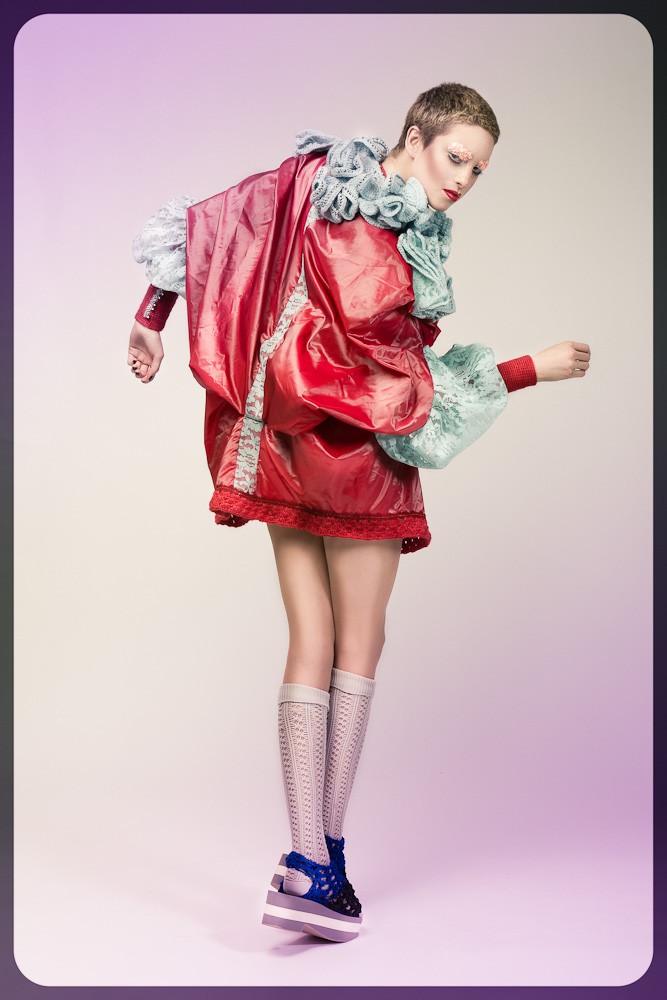
Dresses as Carriers of Character
This transformation feels especially resonant when one thinks about the way garments carry biography. The Victoria and Albert Museum’s text Dresses of Character reflects beautifully on the idea that dresses are not only objects of style, but bearers of personality, projection, and social meaning.
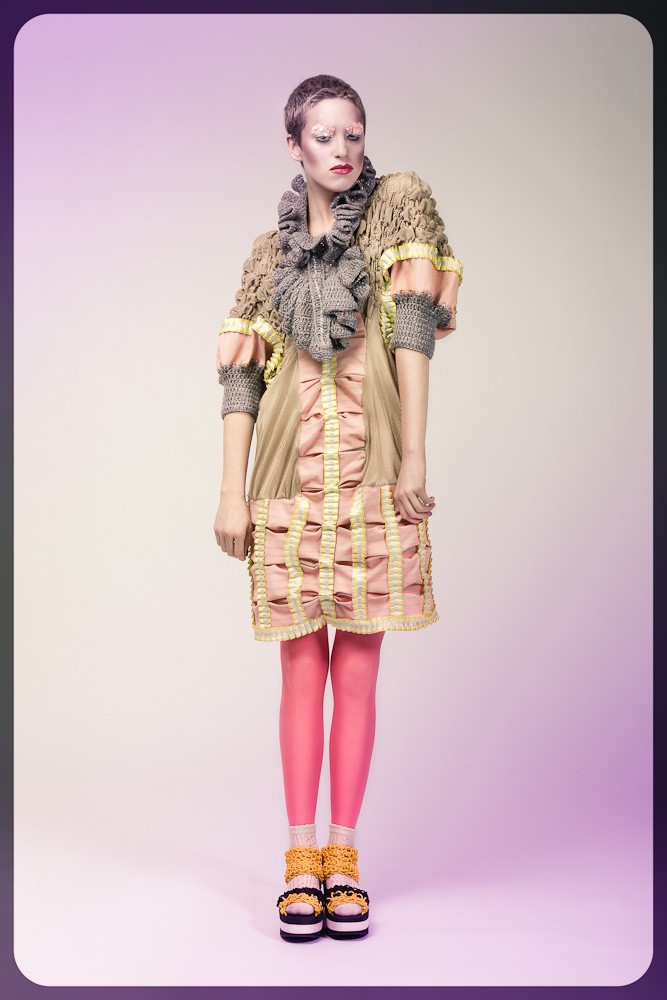
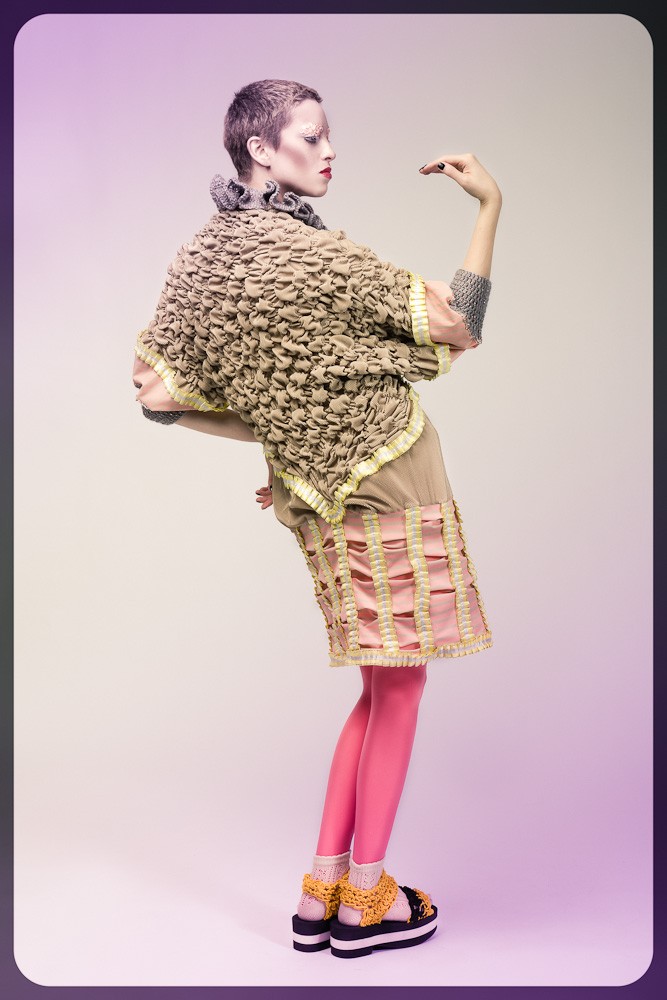
That thought could almost stand beside 99 Robes de Bal as a quiet companion. These vintage dresses arrive already loaded with emotion. They contain hours of handwork, careful construction, and the echoes of another life. Perhaps a dance floor, perhaps a staircase, perhaps a single evening that mattered deeply to someone once. To work with donated ball gowns is not simply to reuse fabric. It is to receive garments that have already carried longing, display, hesitation, celebration, and disappearance.
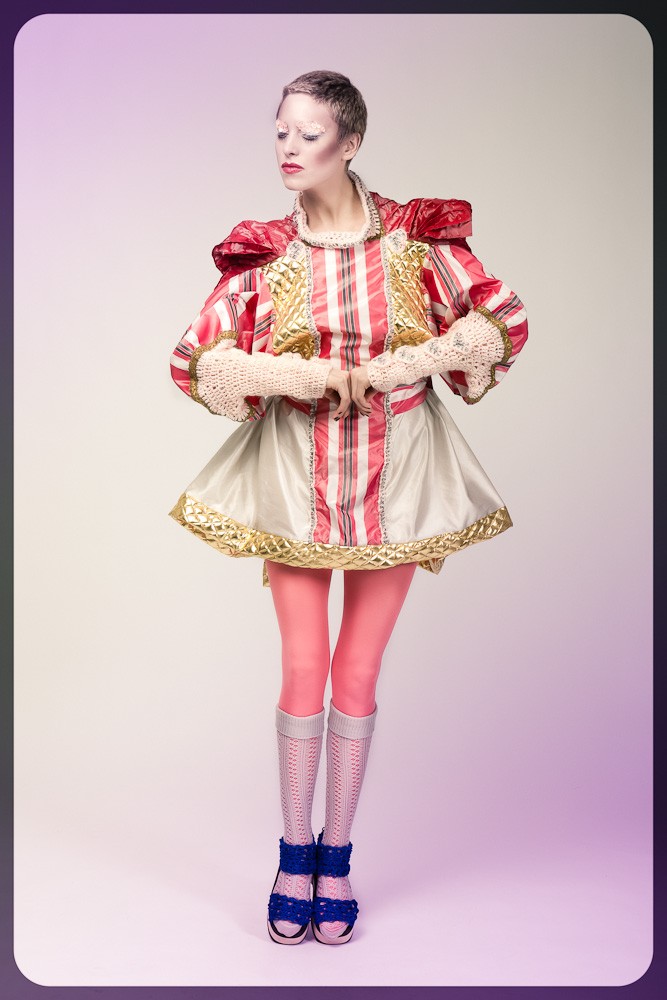
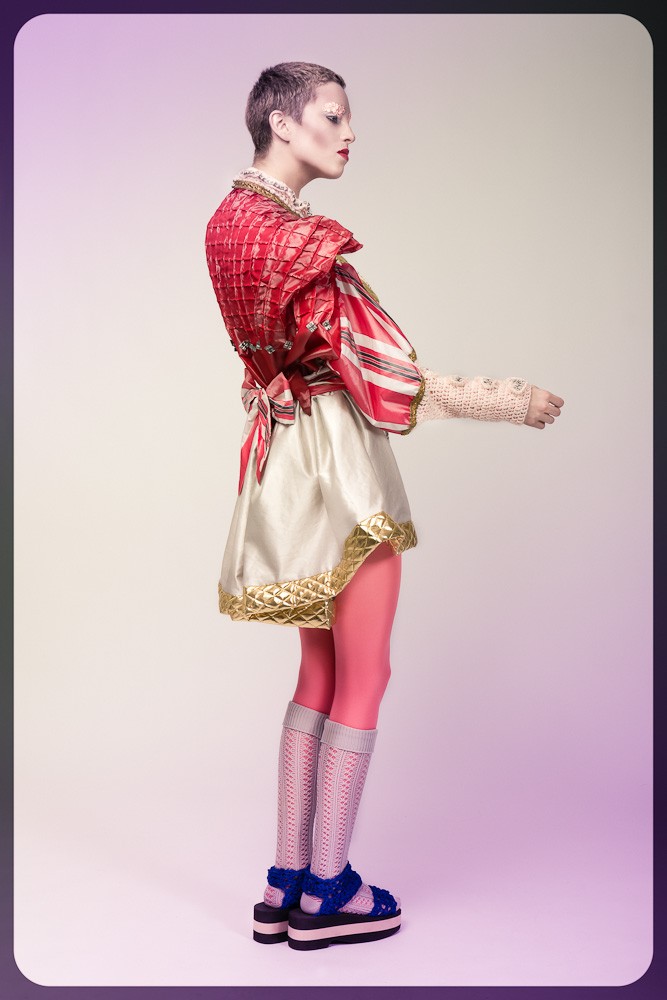
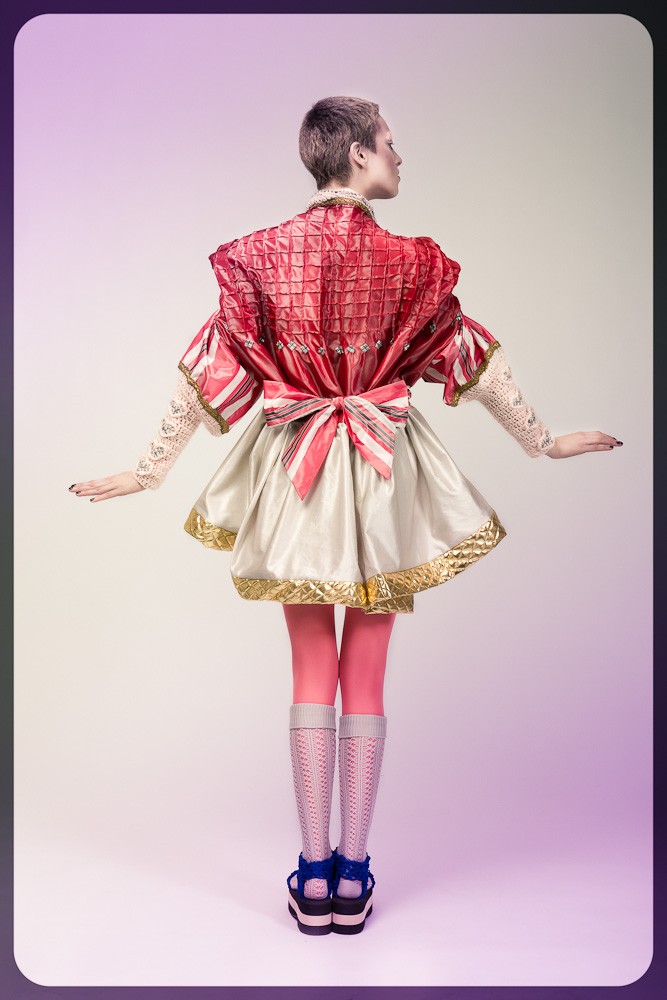
Tata Christiane does not freeze these garments in reverence. She opens them again. She allows them to become something else.
Emotional Upcycling
This is where the collection speaks so directly to the deeper philosophy of the brand. Tata Christiane has always approached clothing as emotional matter. Not fashion as trend, but fashion as expression, collision, and reawakening.
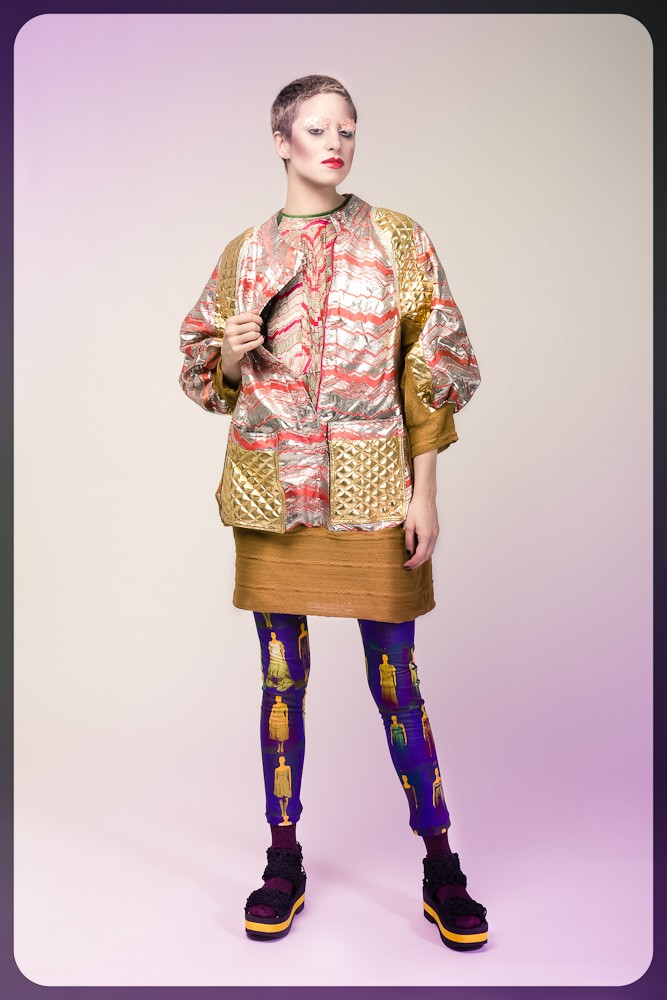
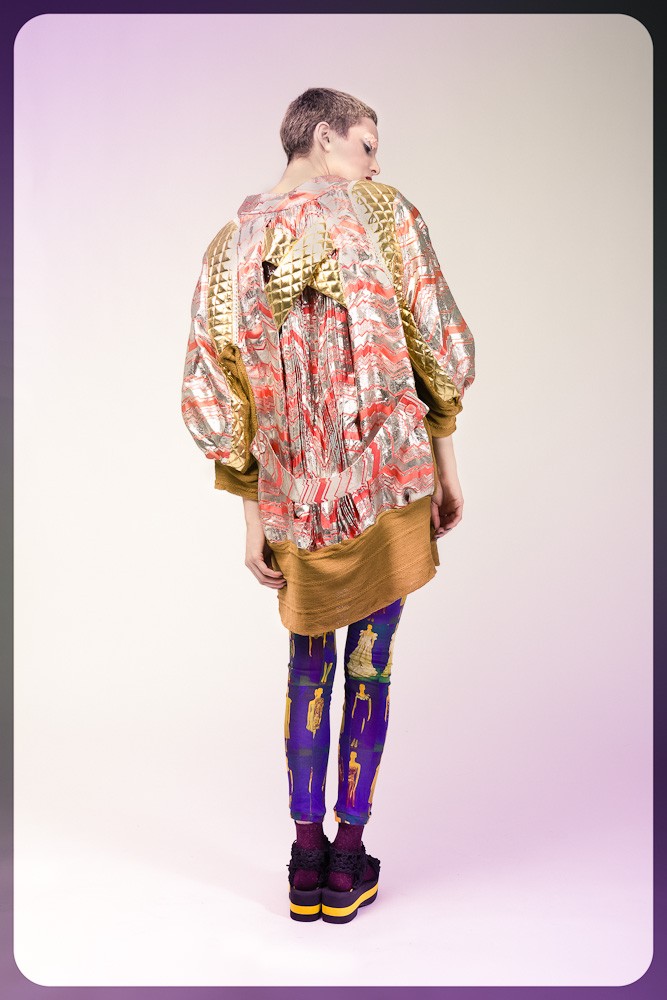
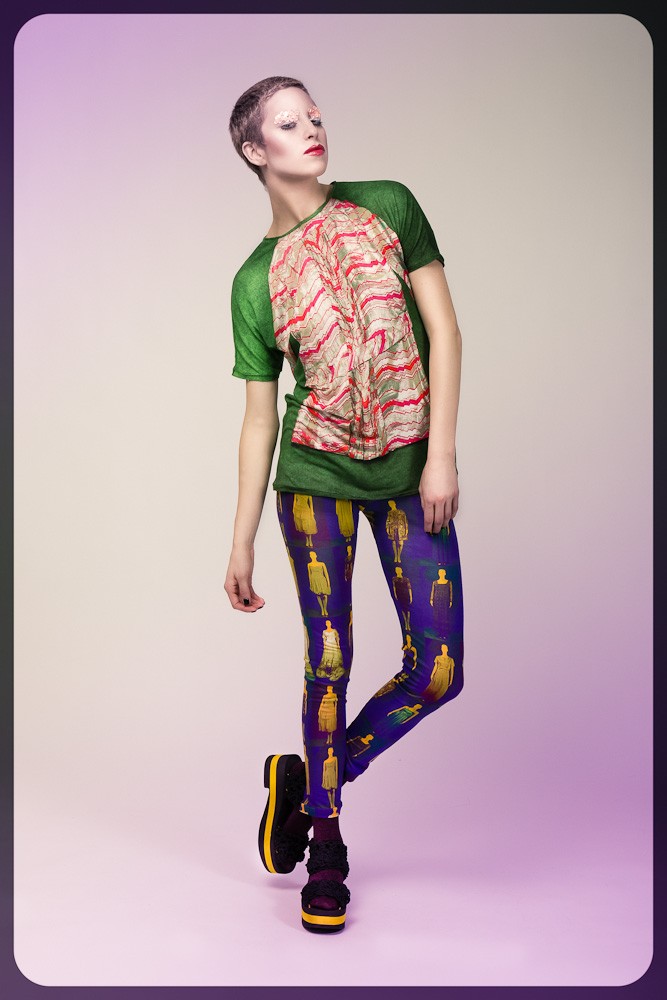
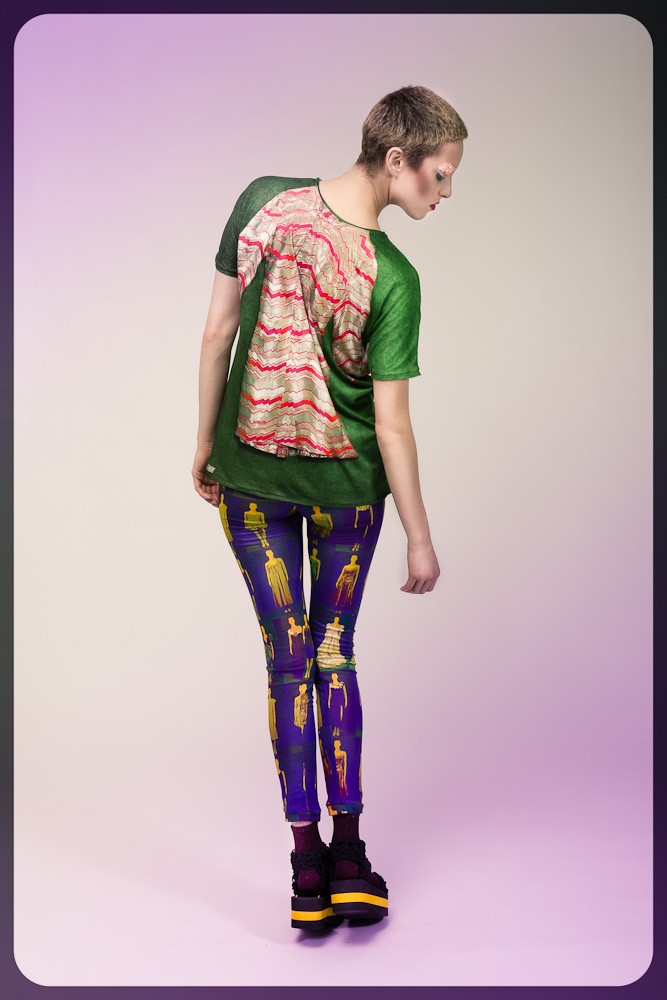
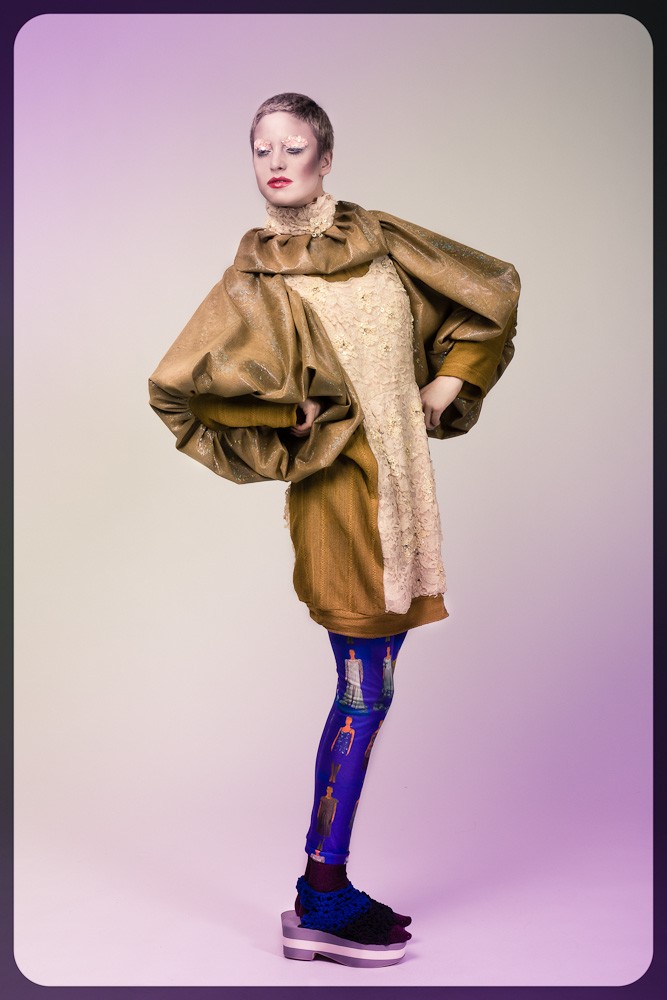
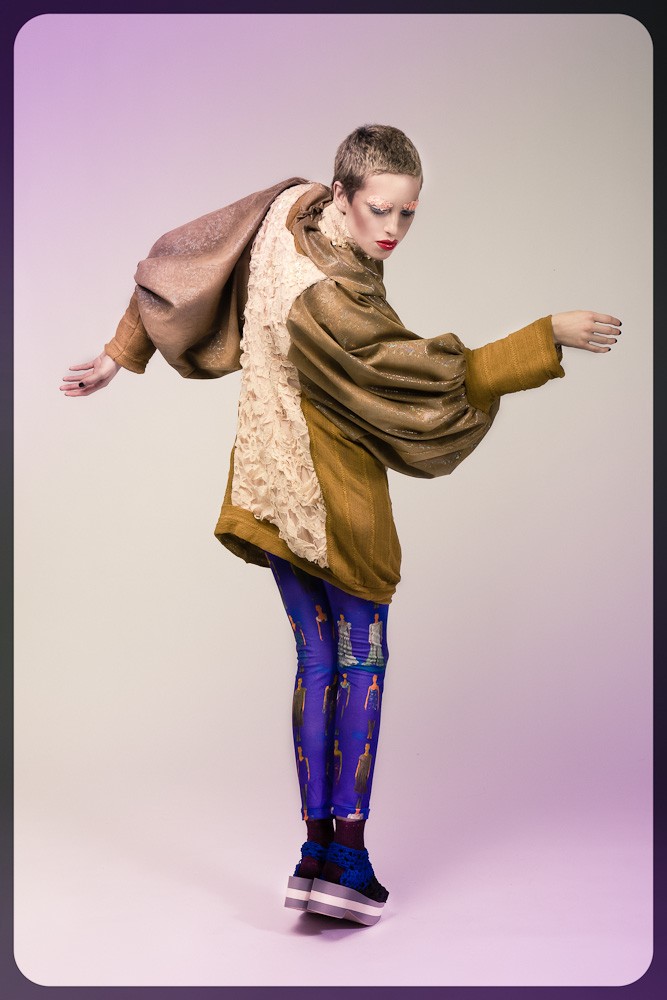
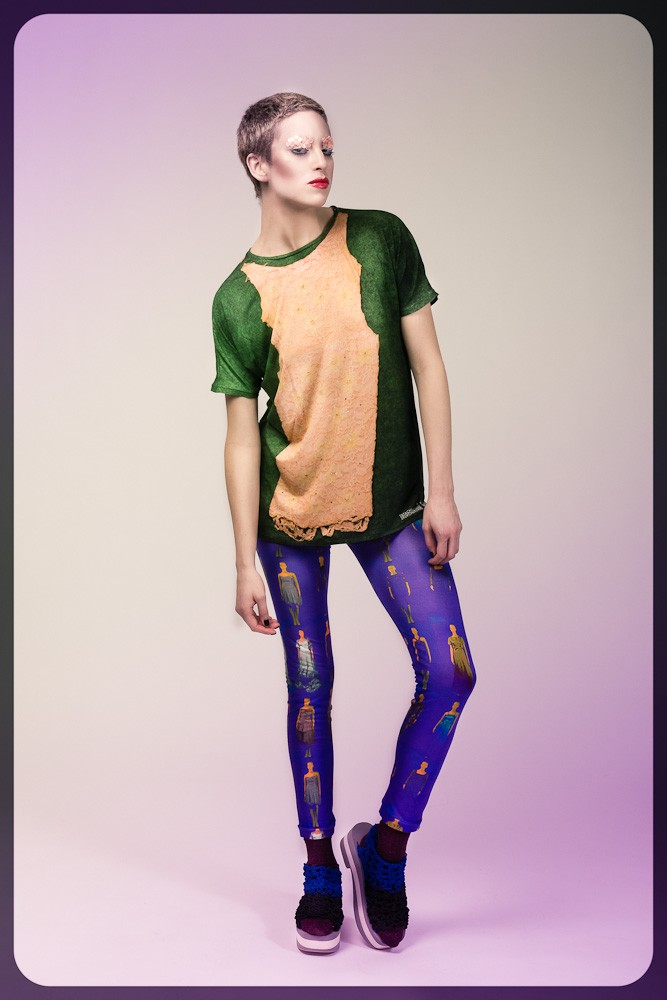
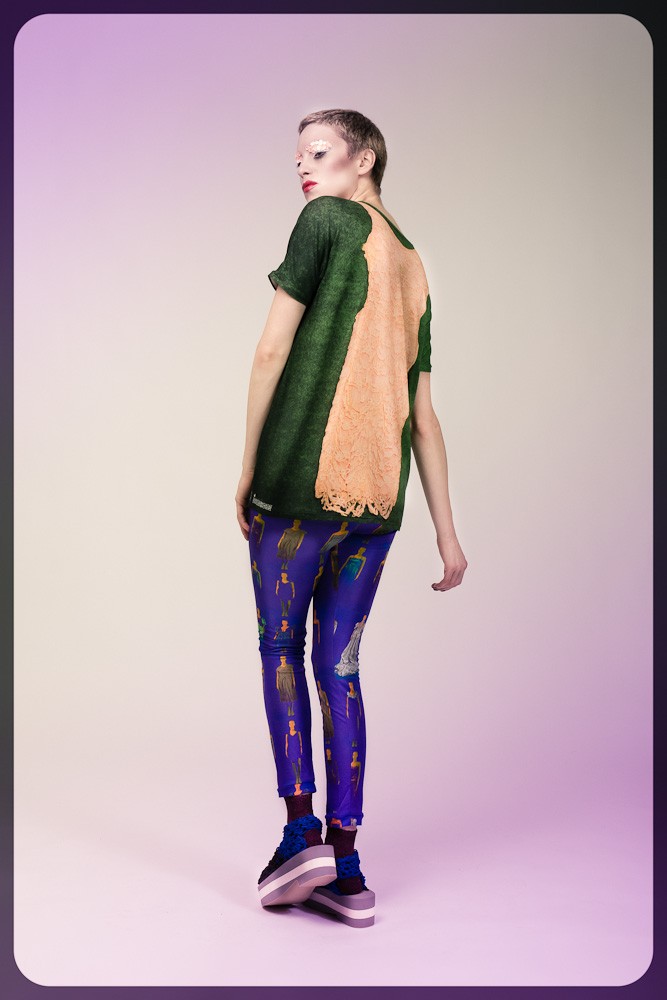
In 99 Robes de Bal, upcycling is not presented as correction or compromise. It is presented as metamorphosis.
Too often, sustainable fashion is imagined through restraint alone. But here, sustainability remains charged with ornament, memory, and theatricality. A dress made for one carefully staged moment is allowed to live again in another form. It is not reduced. It is released.
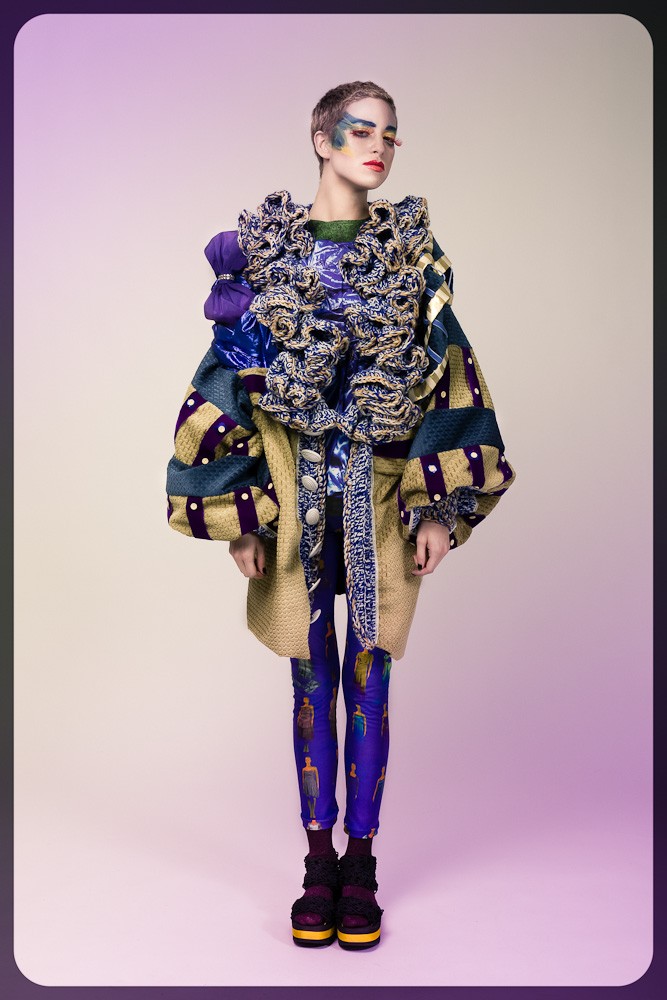
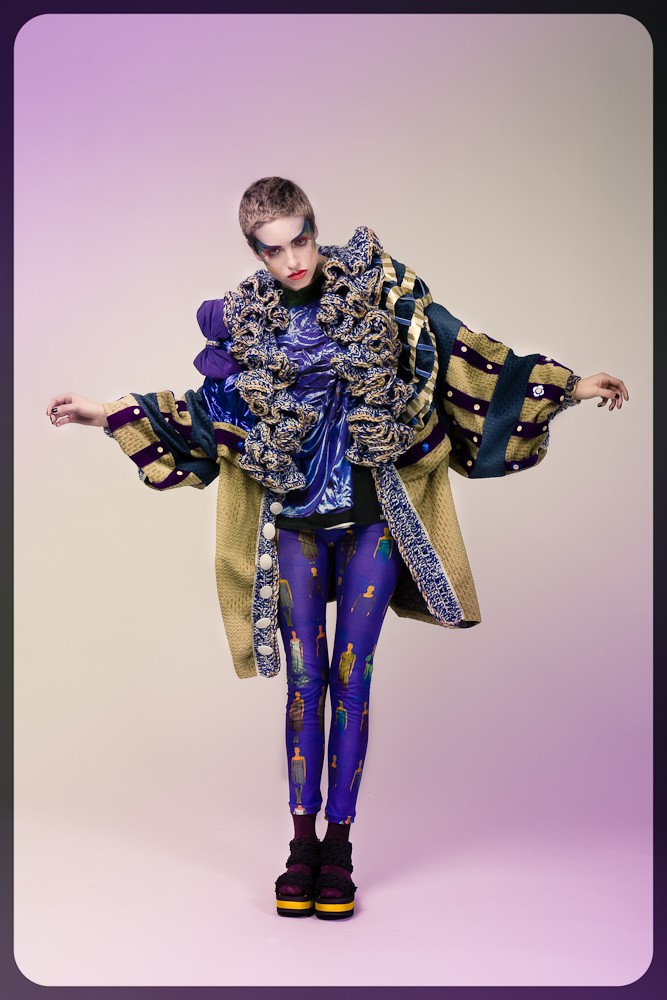
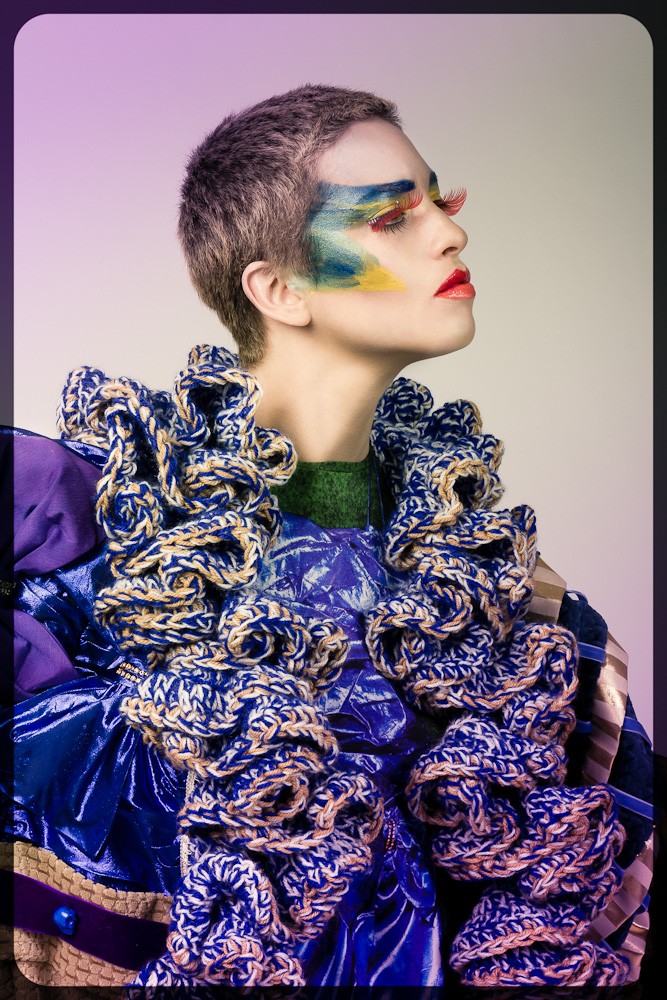
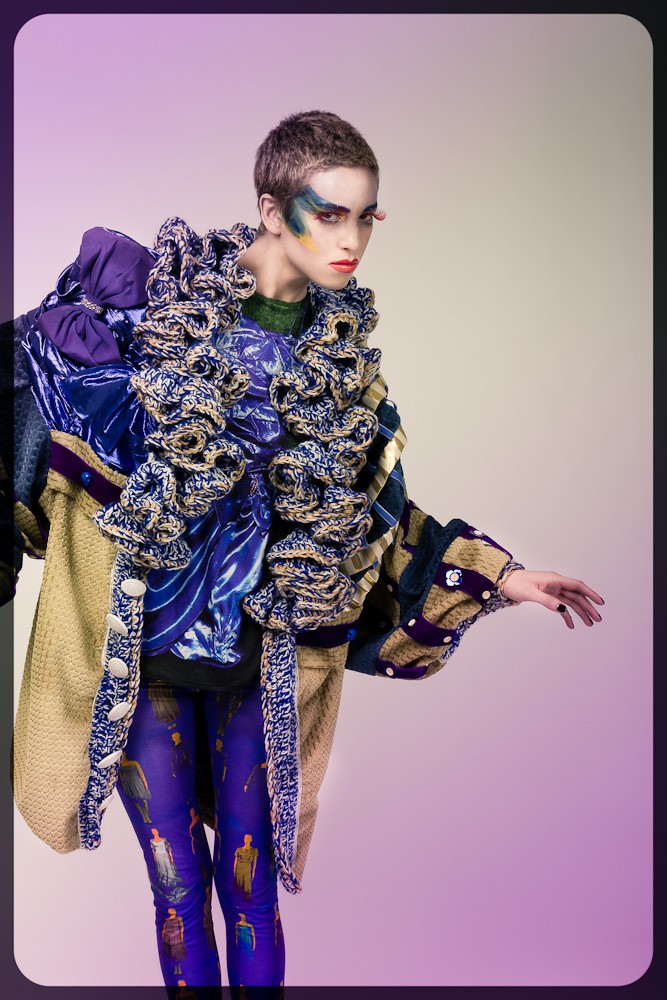
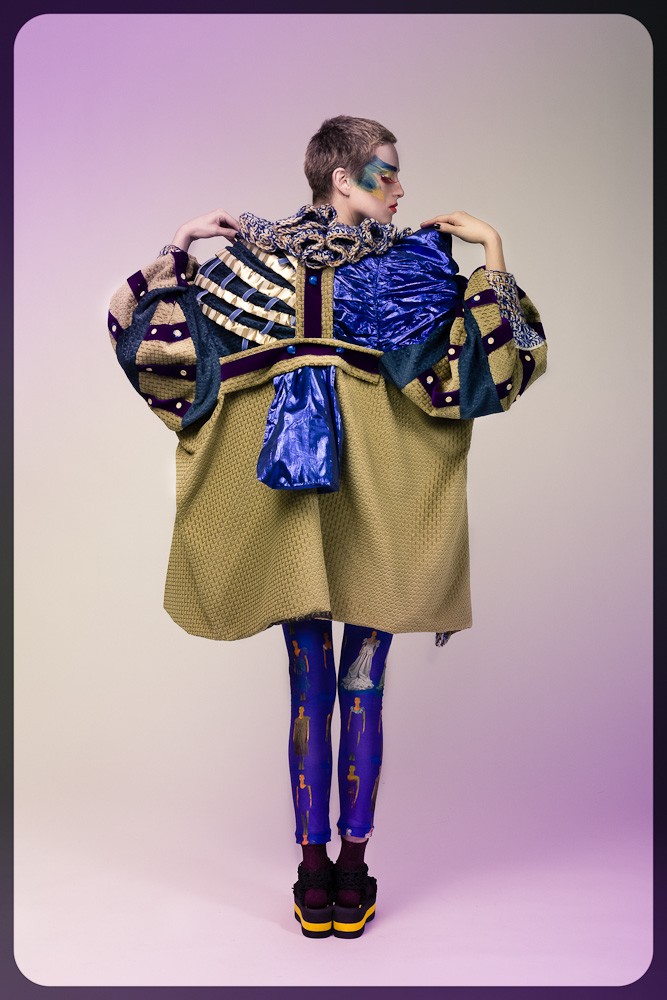
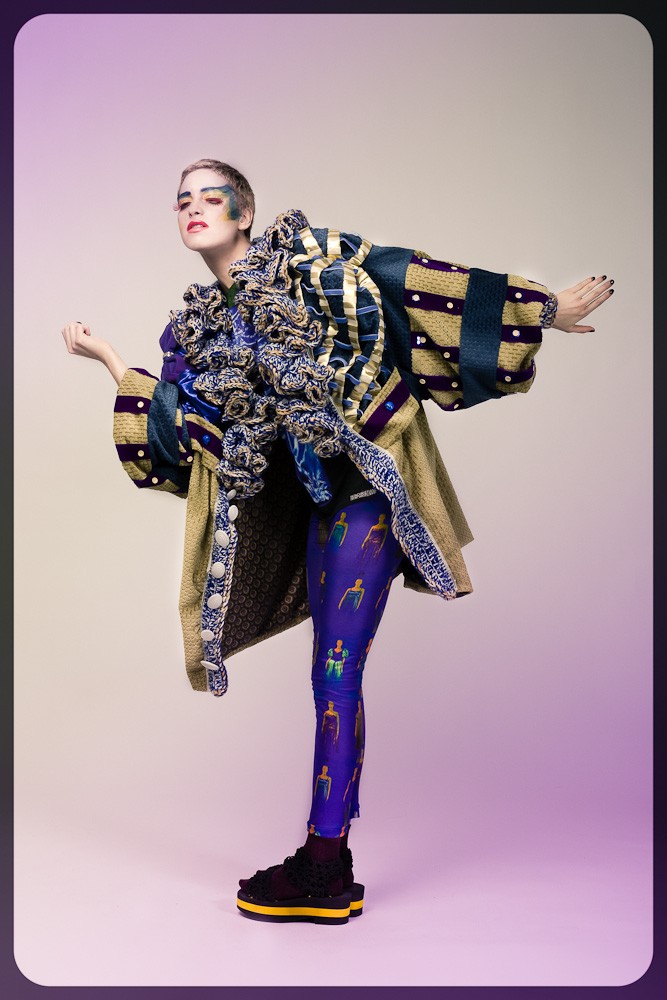
This spirit resonates strongly with wider discussions around the need to rethink overproduction in fashion. Fashion Revolution’s reflection on overcoming overproduction speaks to the urgency of moving away from disposability and toward longer, richer garment lives. 99 Robes de Bal embodies that idea in a tactile and poetic way. The collection gives afterlife not only to fabric, but to emotion itself.
Beyond Elegance
And yet this collection is not only about reuse. It is also about liberation.
Ball gowns traditionally belong to highly coded worlds of femininity, decorum, occasion, and class. Tata Christiane loosens these codes. The dresses become materials for play, disobedience, collage, and reinvention. The result is not anti beauty. It is beauty unsettled. Beauty with its hair slightly undone. Beauty that has stayed too long, laughed too loudly, and chosen not to return unchanged.
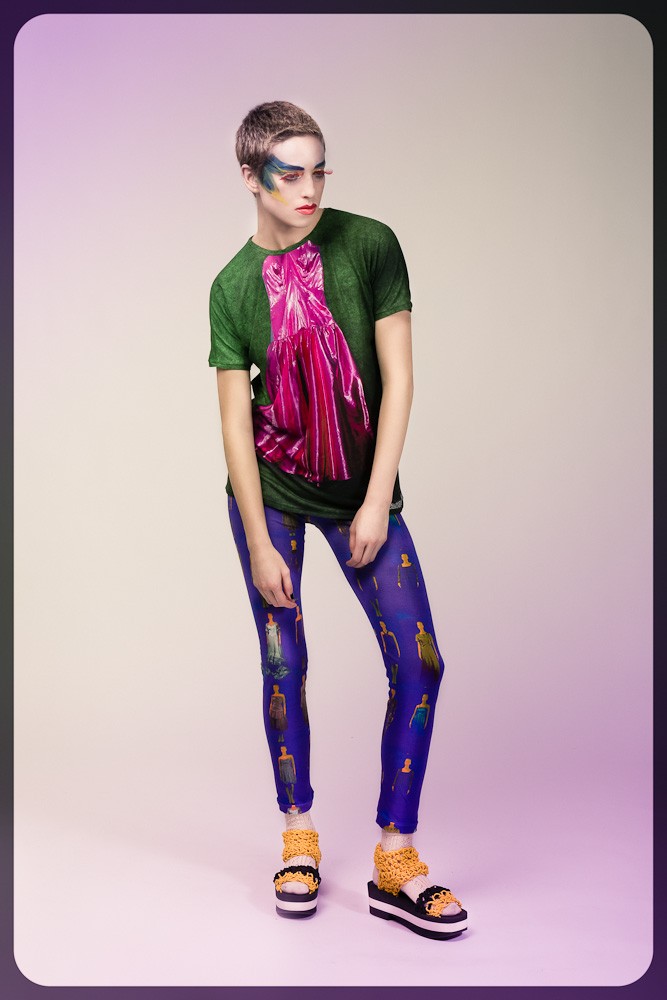
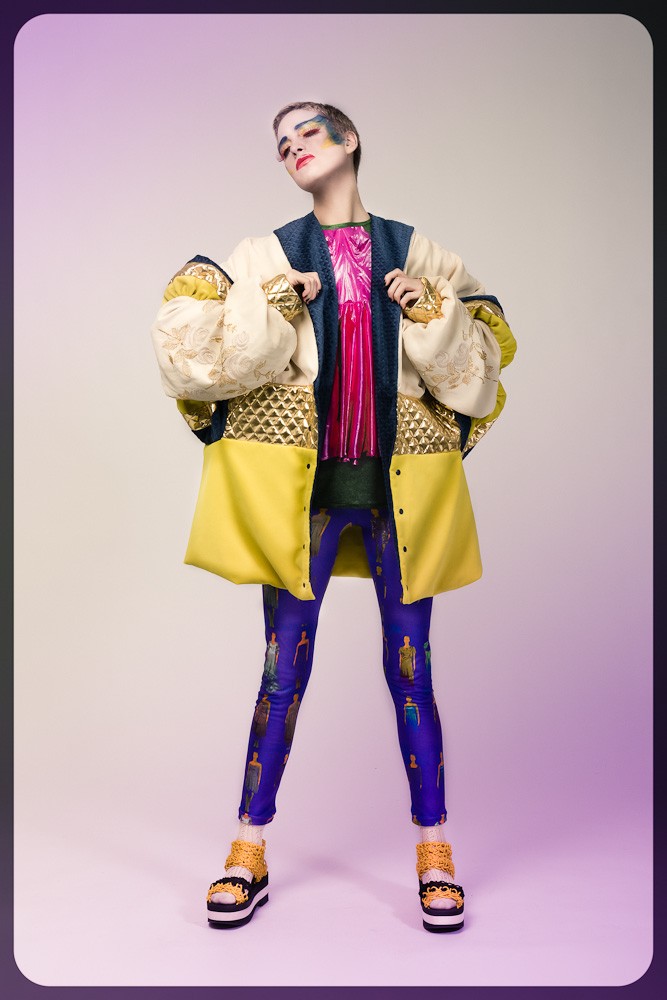
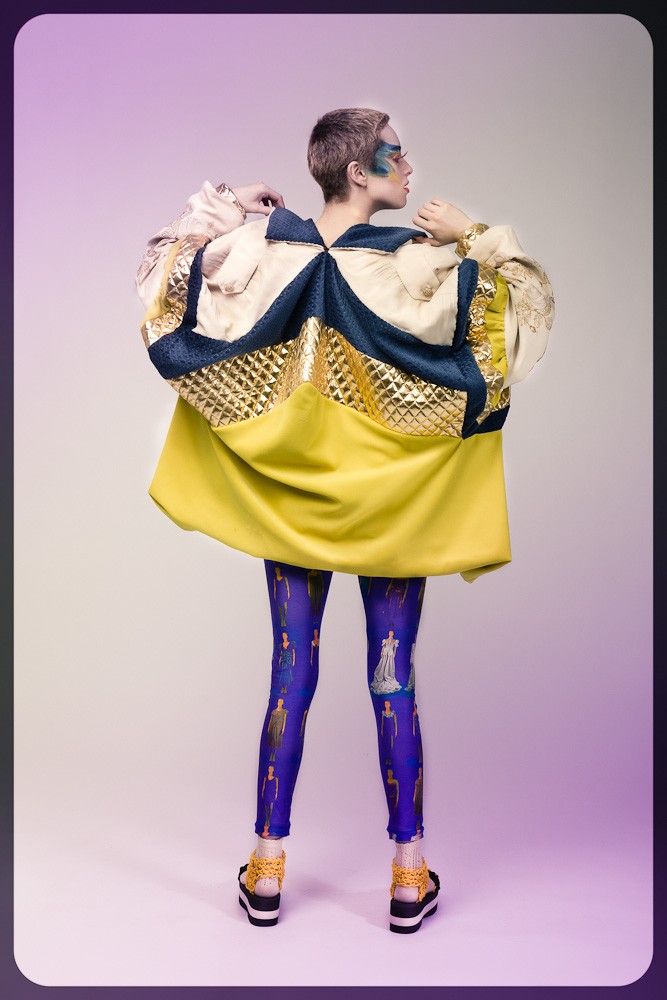
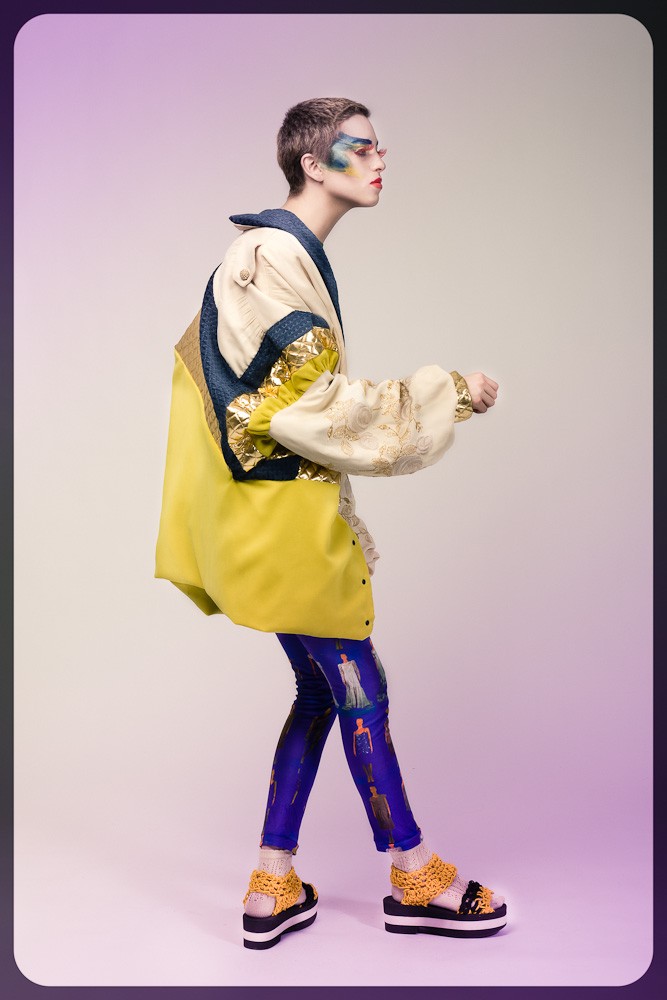
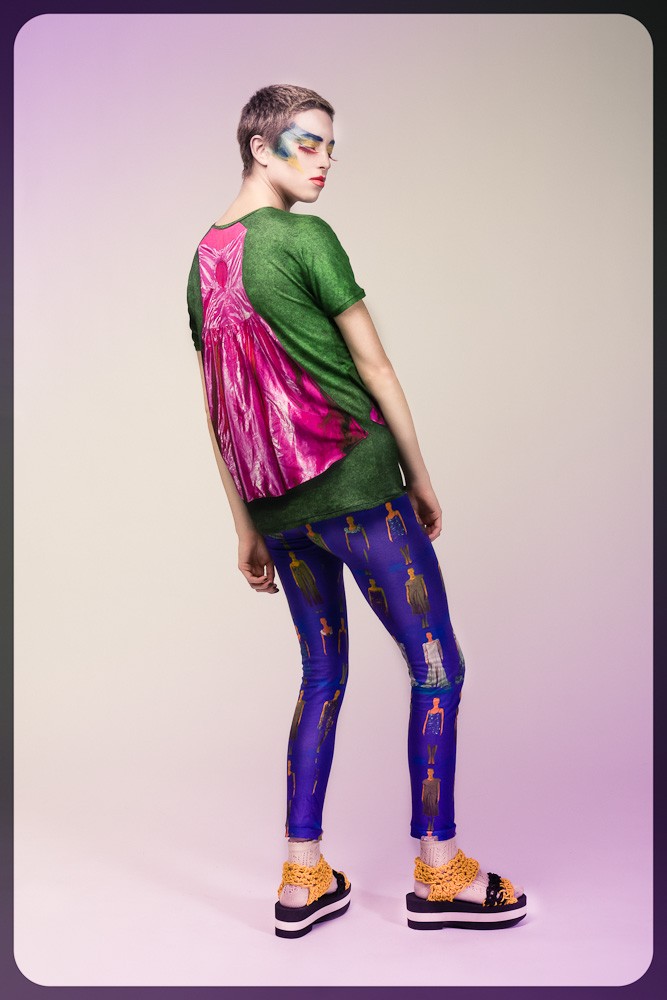
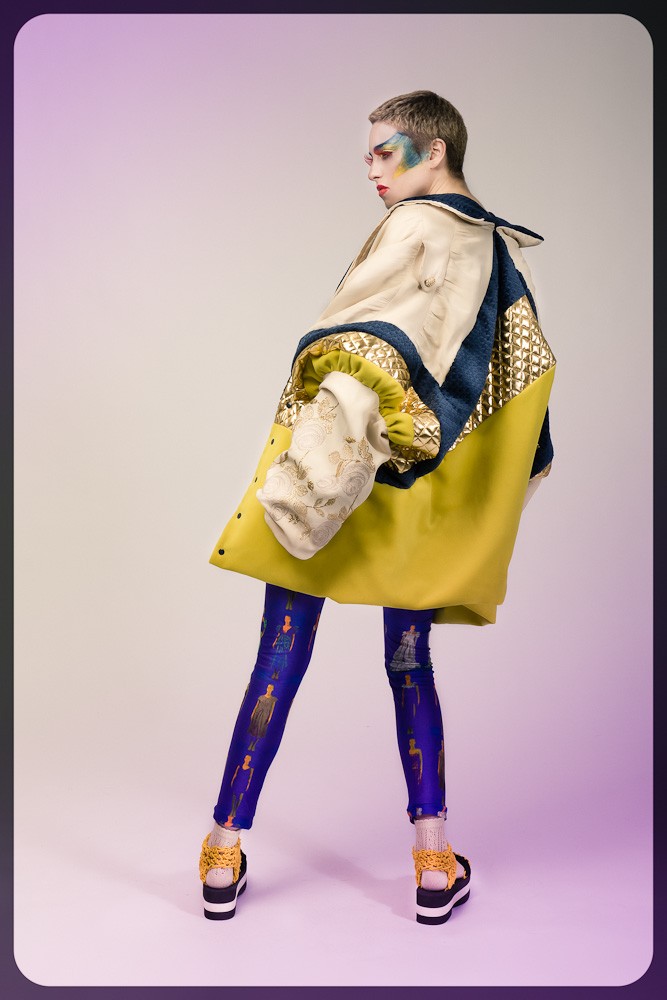
That is perhaps why 99 Robes de Bal still feels so alive. It does not belong only to the archive. It speaks to the present, where fashion is once again being asked what it can hold beyond novelty. Memory, certainly. Craft, absolutely. But also contradiction, vulnerability, humor, and freedom.
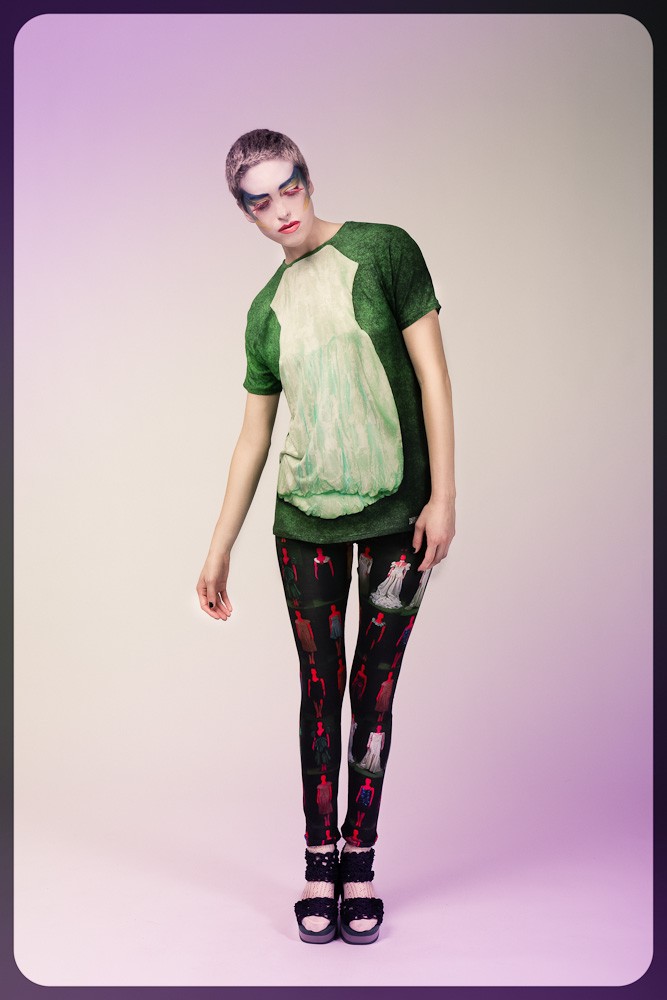
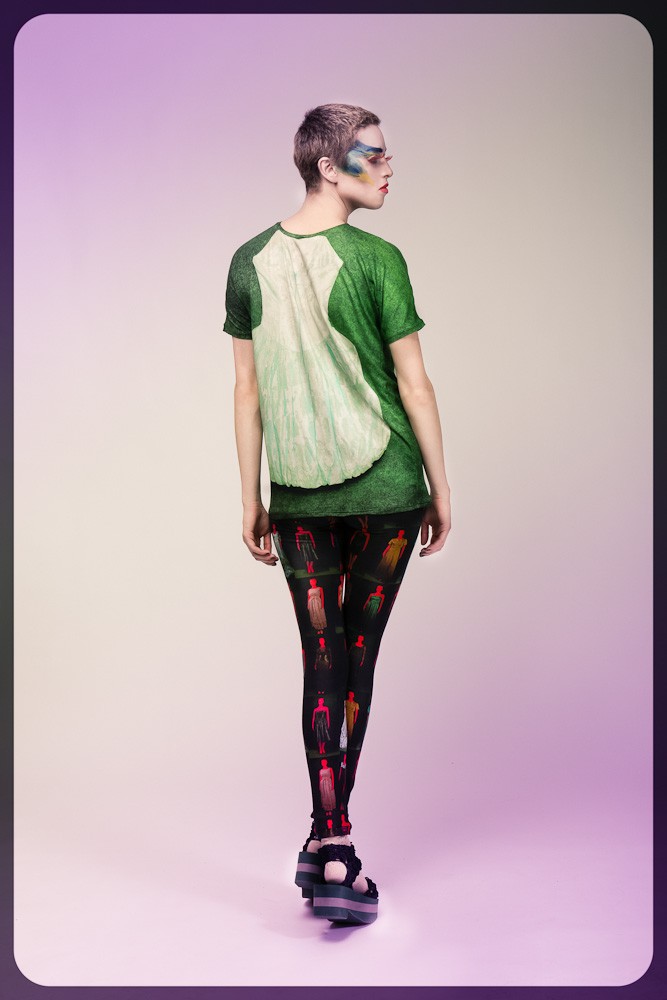
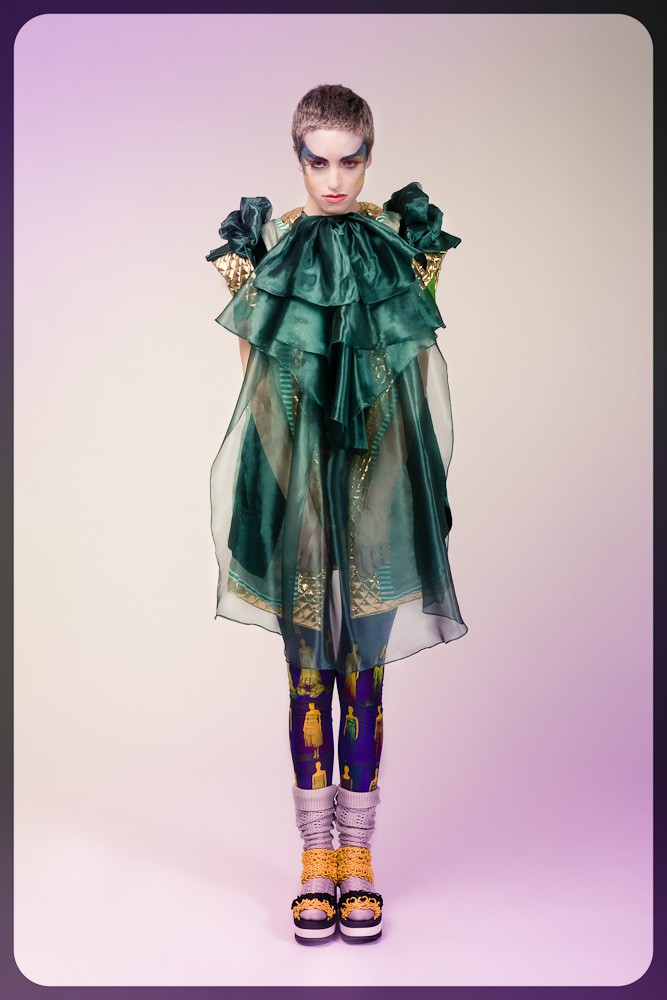
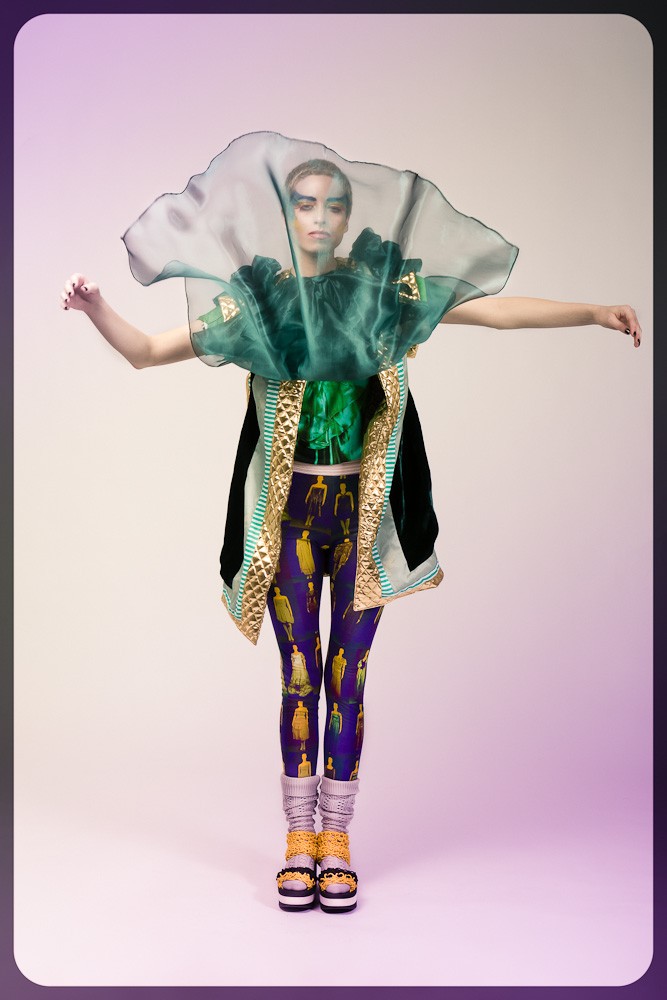
A Dress Can Live More Than Once
In 99 Robes de Bal, Tata Christiane and Raki Fernandez do not simply revisit the ball gown. They release it from its former duty. They allow it to become emotional clothing once again, not frozen in elegance, but reawakened through transformation.
A dress can live more than once.
Sometimes, it becomes more itself the second time.